
 Phones and Accessories
 Computers and Accessories
 Men Clothing & Fashion
 Women Clothing and Fashion
 Home Improvement & Tools
 Jewelry & Accessories
 Health and Beauty
 Skincare
 Photochromic Glasses (Lens)
 Smart watch
 Food and Groceries
 Animals & Pet Supplies
 Apparel & Accessories
 Arts & Entertainment
 Baby & Toddler
 Business & Industrial
 Cameras & Optics
 Electronics
 Food, Beverages & Tobacco
 Furniture
 Hardware
 Health & Beauty
 Home & Garden
 Luggage & Bags
 Mature
 Media
Media Office Supplies
 Religious & Ceremonial
 Software
 Sporting Goods
 Toys & Games
 Vehicles & Parts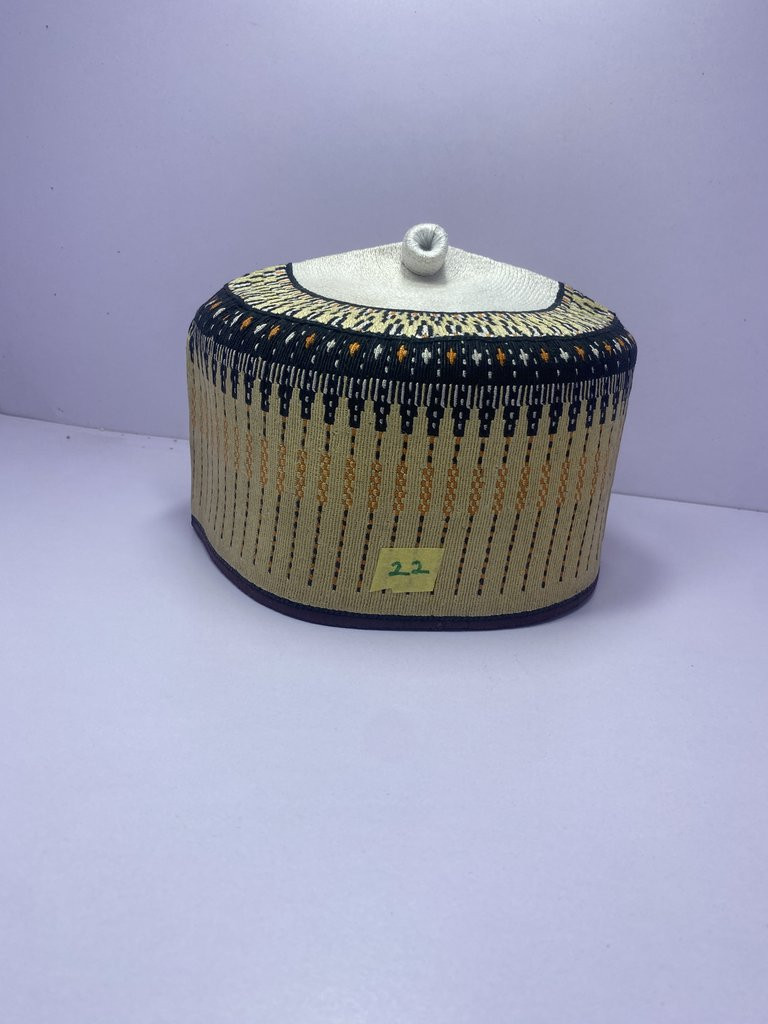
Why Drop-shipping From China is a Suicide Mission for Nigerian Beginners
Table of Contents
The Mirage of the 'Zero-Capital' Chinese Dream 1. The Naira vs. Dollar Nightmare 2. Arewa Logistics: The Black Hole of Delivery Times 3. The Death of 'Pay on Delivery' (POD) 4. The Quality Control Blindspot How Kanemtrade is Rewriting the E-Commerce Playbook Conclusion: Protect Your Capital, Build of Trust Editor's Choice: Sourcing Authentic, High-Margin Local Masterpieces

The Mirage of the 'Zero-Capital' Chinese Dream
We have all seen the flashy YouTube videos and TikTok guides. A self-proclaimed guru sits in an air-conditioned room in Lagos or Abuja, flashing screenshots of Shopify dashboards showing thousands of dollars in revenue. The formula they sell you is enticingly simple: find a cheap plastic gadget on AliExpress for $1, list it on your website for $20, run a few Facebook ads, and watch the dollar bills roll in while you sip fura da nono in the comfort of your home. It sounds like the perfect escape from the harsh Nigerian economic climate.
But let’s talk frankly. For a beginner in Nigeria—especially if you are operating from northern hubs like Kano, Kaduna, Maiduguri, or Sokoto—diving headfirst into drop-shipping from China is not just risky; it is a financial suicide mission. The reality on the dusty ground of Nigerian retail is vastly different from the polished slides of e-commerce webinars. From volatile exchange rates to severe logistics bottlenecks, the odds are stacked heavily against you.
1. The Naira vs. Dollar Nightmare
The first wall you will crash into is the brutal reality of foreign exchange. To drop-ship from China, you must pay your suppliers in US Dollars or Chinese Yuan. With the continuous fluctuation of the Naira, how do you plan to price your products stably? If you set your product price in Naira today based on an exchange rate of 1,500 NGN to 1 USD, and by next Tuesday the rate spikes to 1,650 NGN, your entire profit margin is instantly wiped out.
Furthermore, Nigerian banks have placed strict limits on international spending with local debit cards. Trying to fund your international supplier accounts via the black market or virtual card providers eats away at your capital through hidden fees, high maintenance costs, and sudden account freezes. You are fighting a war against currency devaluation before you even ship a single package.
2. Arewa Logistics: The Black Hole of Delivery Times
In the Western world, drop-shipping works because ePacket and advanced logistics networks can deliver a package from Shenzhen to Ohio in 7 to 10 days. In Nigeria, and specifically within the Arewa region, logistics is an entirely different beast.
When you drop-ship from China using cheap shipping methods, your customer's package can take anywhere from 30 to 60 days to arrive. Think about the typical Nigerian consumer. We are an impatient demographic. If a customer in Kaduna orders a product and doesn't see it within 5 days, they will assume they have been scammed. They will bombard your phone with angry calls, leave terrible reviews on your social media pages, and demand immediate refunds. By the time the low-quality Chinese product finally arrives at the cargo hub in Lagos, passes through customs clearance, and slowly makes its way up north, your reputation will already be in ruins.
3. The Death of 'Pay on Delivery' (POD)
In Nigeria, trust is a scarce currency. The average consumer has been burned too many times by 'what I ordered vs. what I got.' Because of this, over 80% of local e-commerce transactions rely on Pay on Delivery (POD).
Now, ask yourself: how do you run a POD model when your supplier is in Guangzhou? You cannot. You cannot afford to pay for the product and international shipping out of your pocket, send it to Nigeria, and hope that the customer in Maiduguri will answer their phone and pay the delivery agent when it arrives three weeks later. If the customer rejects the delivery—which happens frequently in Nigeria—you are left with dead stock, unpaid shipping fees, and a massive hole in your bank account.
4. The Quality Control Blindspot
When you drop-ship, you never touch, see, or verify the product before it reaches your customer. You are entirely at the mercy of a factory owner in Zhejiang. Chinese manufacturers are notorious for substituting high-quality materials with cheap plastics to maximize their margins on low-cost orders.
When your customer opens their package and finds a flimsy, broken piece of plastic instead of the premium item you advertised, they won't blame the Chinese factory. They will blame your brand. In the close-knit business communities of Northern Nigeria, where trust (Amana) is the foundation of every transaction, selling low-quality trash will permanently blacklists your name from the market.
Editor's Choice: Sourcing Authentic, High-Margin Local Masterpieces
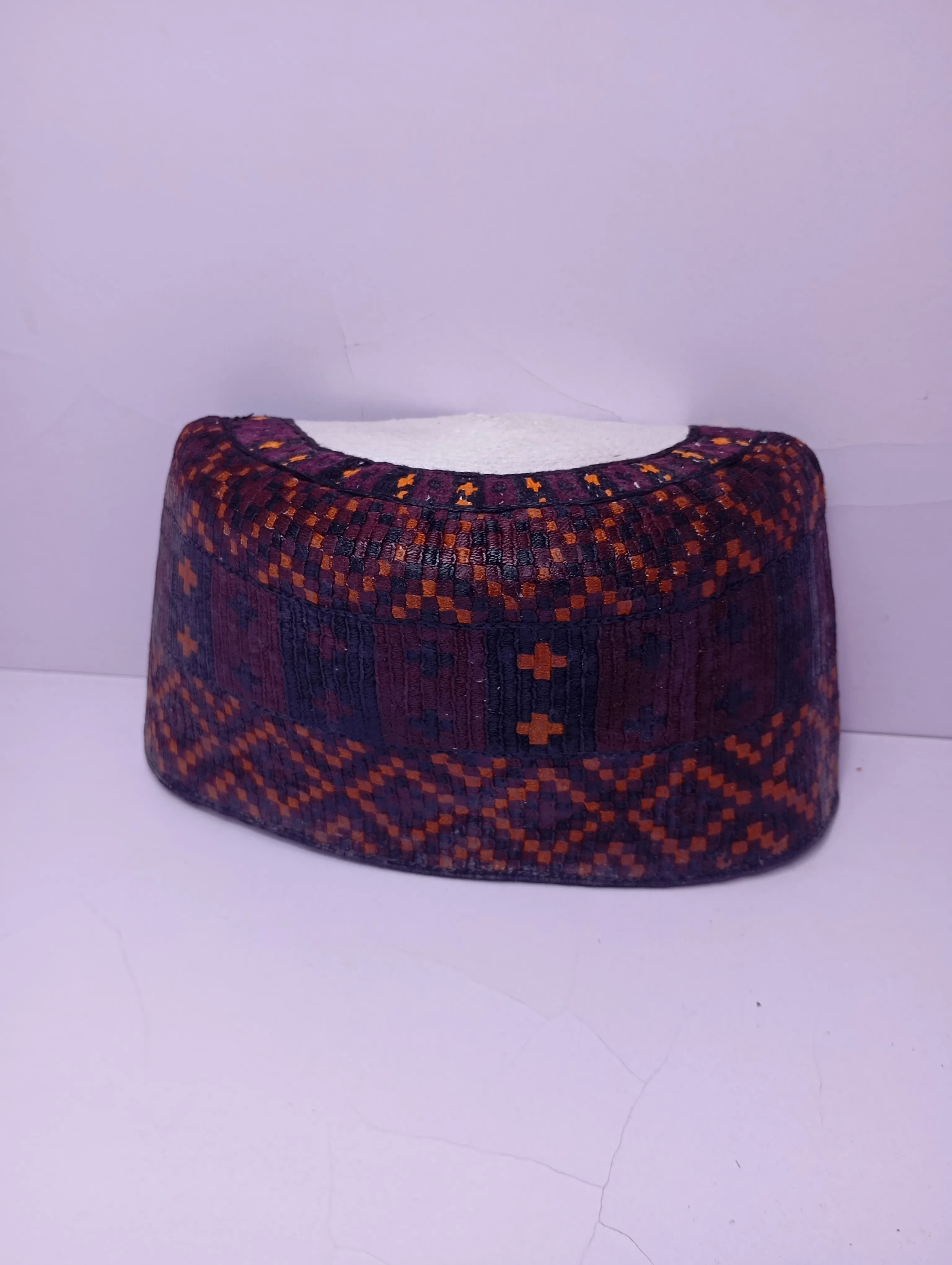
Instead of risking your capital on cheap Chinese imports that arrive broken, smart Arewa entrepreneurs are focusing on high-value, verified local luxury items that command immediate respect. For example, the Original Handwoven Hausa Fulani Zawa Cap – Bangol Kindei Bama Style | Men’s Knitted Maiduguri Cap Sizeof 23 is an exquisite piece of cultural craftsmanship. Highly sought after by modern gentlemen across Nigeria, these caps represent dignity, heritage, and premium quality. Sourcing authentic local masterworks like this allows you to command massive profit margins with zero international shipping delays, absolute quality control, and immediate customer satisfaction.
How Kanemtrade is Rewriting the E-Commerce Playbook
If drop-shipping from China is a dead end, what is the alternative for a beginner who wants to build a sustainable e-commerce business in Nigeria? The answer lies in local sourcing, verification, and trusted regional logistics.
This is where Kanemtrade steps in as a game-changer for northern entrepreneurs. Kanemtrade eliminates the chaos of international e-commerce by providing a highly structured platform focused on trust, verification, and efficient logistics within the Arewa region and beyond.
- Strict Verification (Amana): Kanemtrade ensures that suppliers are thoroughly vetted, eliminating the fear of 'fake products' or disappearing vendors. You know exactly who you are dealing with.
- Localized Logistics: Instead of waiting months for cargo to clear the Lagos ports, Kanemtrade leverages optimized local distribution networks to move goods quickly between northern commercial hubs like Kano, Maiduguri, and Abuja.
- High-Margin Sourcing: By connecting merchants directly with genuine local producers of high-demand items—from agricultural commodities to premium traditional attire—Kanemtrade helps you build a business based on real value, not cheap plastic gimmicks.
Conclusion: Protect Your Capital, Build of Trust
Do not let the allure of 'easy dollar income' trick you into throwing your hard-earned Naira into the bottomless pit of Chinese drop-shipping. The logistics nightmares, currency fluctuations, and lack of trust in the Nigerian market make it a losing game for beginners.
Instead, look inward. Focus on high-quality, verified products that resonate with your local audience. Partner with platforms like Kanemtrade that understand the unique dynamics of Arewa commerce, protect your business with reliable logistics, and build an enterprise grounded in quality, trust, and lasting success.







comments (0)
Leave a Comment