 Phones and Accessories
 Computers and Accessories
 Men Clothing & Fashion
 Women Clothing and Fashion
 Home Improvement & Tools
 Jewelry & Accessories
 Health and Beauty
 Skincare
 Photochromic Glasses (Lens)
 Smart watch
 Food and Groceries
 Animals & Pet Supplies
 Apparel & Accessories
 Arts & Entertainment
 Baby & Toddler
 Business & Industrial
 Cameras & Optics
 Electronics
 Food, Beverages & Tobacco
 Furniture
 Hardware
 Health & Beauty
 Home & Garden
 Luggage & Bags
 Mature
 Media
Media Office Supplies
 Religious & Ceremonial
 Software
 Sporting Goods
 Toys & Games
 Vehicles & Parts
The Trust Gap: Why International Buyers Are Still Scared of 'Made in Nigeria' (And How We Fix It)
Table of Contents
1. The Ghost of "419" and the Global Trust Deficit 2. The Arewa Logistics Nightmare: Bridging the Distance 3. The Lack of Standardized Quality and Verification How We Bridge the Gap: The Power of Verification and Escrow 4. Rewriting the Narrative, One Shipment at a Time The High Cost of Shipping Editor's Choice: Stay Connected, Hands-Free

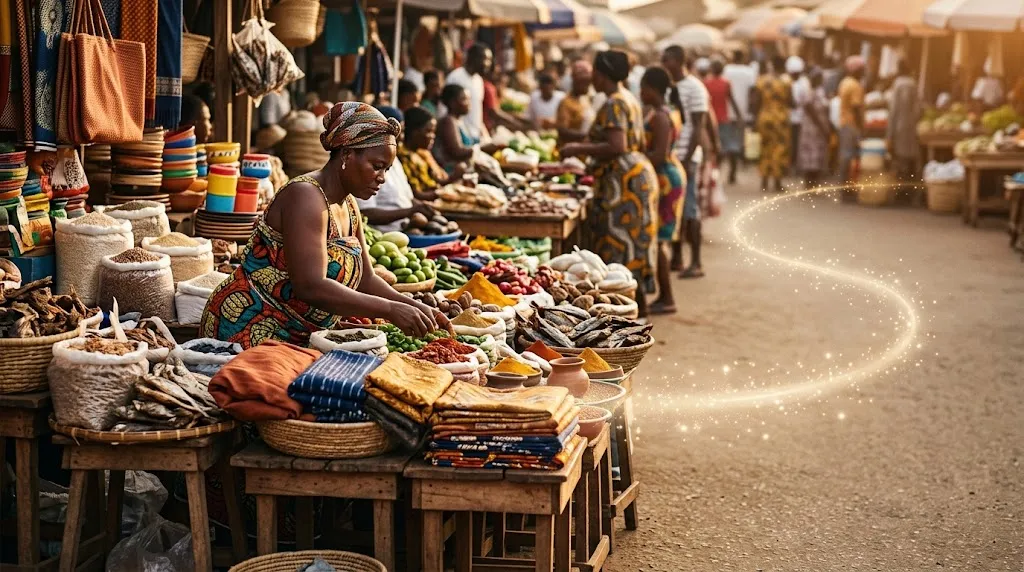
Every single day, in the bustling heart of the Kurmi Market in Kano, a craftsman wipes sweat from his brow as he puts the finishing touches on a stunning, hand-carved leather bag. In Kaduna, a cooperative of hardworking women packages the purest, organic shea butter, fragrant with the rich essence of the African soil. This is the beauty of Made in Nigeria. It is vibrant, authentic, and rich with cultural heritage. Yet, despite the global demand for authentic African products, a frustrating barrier remains: international buyers are still terrified to click that "Buy Now" button.
As a Nigerian entrepreneur, you know the pain of seeing a shopping cart abandoned the moment a foreign buyer realizes the package is shipping from Lagos, Abuja, or Kano. But why does this fear persist? Why does the label "Made in Nigeria" still trigger hesitation in the minds of global consumers? To solve this, we must look beyond the surface and address the deep-seated structural and psychological barriers that hold our export economy back—and explore how local innovators are finally changing the narrative.
1. The Ghost of "419" and the Global Trust Deficit
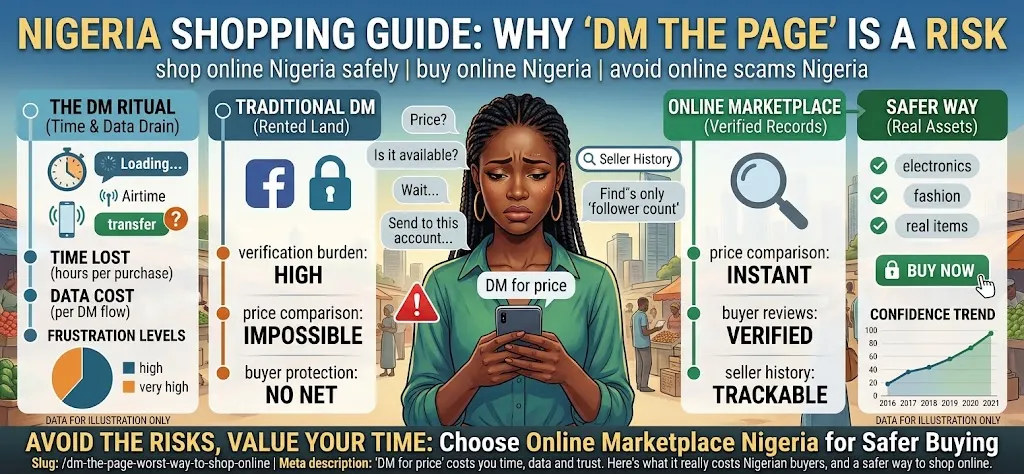
We cannot discuss international trade without addressing the elephant in the room. For decades, Nigeria's reputation in international digital spaces has been unfairly shadowed by online fraud. While only a microscopic fraction of the population engages in these activities, the stereotype has created a massive trust deficit for honest, hardworking Nigerian artisans and exporters.
When an international buyer lands on an independent website offering exquisite Arewa-crafted pottery or premium Nigerian ginger, their subconscious immediately sounds an alarm. They ask themselves: Is this a real business? Will my credit card details be stolen? Will I just receive a box of rocks—or worse, nothing at all? Without a trusted intermediary or a recognizable stamp of verification, the fear of being scammed almost always triumphs over the desire to buy.
2. The Arewa Logistics Nightmare: Bridging the Distance
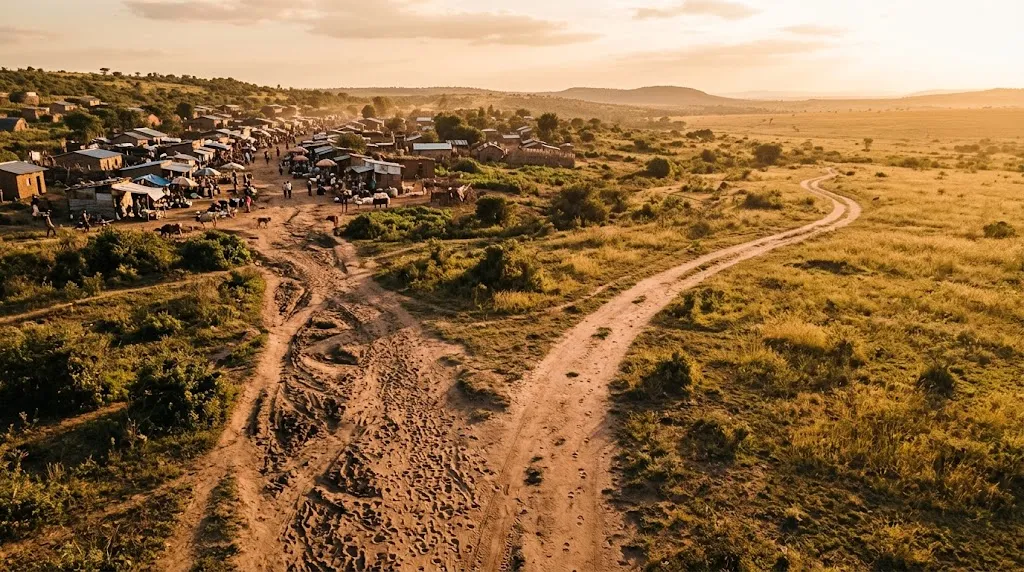
Even when a buyer overcomes the psychological barrier of trust, they face the harsh reality of logistics. Moving goods from the northern heartlands of Nigeria—the vast Arewa region, which produces some of the finest agricultural and artisanal treasures—to international airports and seaports is an uphill battle.
Logistics in Arewa faces unique bottlenecks. Poor transport infrastructure, complex interstate checkpoints, and a lack of cold-chain storage for agricultural products mean that goods can be delayed for weeks before they even leave the country. Foreign buyers, spoiled by the convenience of next-day Amazon deliveries, become highly anxious when their package tracking status remains stagnant somewhere between Kaduna and Lagos. For them, a delay isn't just an inconvenience; it feels like confirmation of their worst fears.
The High Cost of Shipping
Furthermore, the sheer cost of international shipping from Nigeria is notoriously high. Often, the shipping fee for a beautifully woven Arewa cap or a jar of premium spices exceeds the cost of the item itself. When international buyers see a $30 item carrying a $70 shipping fee, they quickly abandon their carts, assuming they are being overcharged.
3. The Lack of Standardized Quality and Verification
International markets run on strict standardization. Whether it is the FDA in the United States or the CE marking in Europe, buyers want to know that what they are consuming or wearing meets rigorous safety and quality benchmarks.
Unfortunately, many small-scale Nigerian producers lack the resources to obtain these international certifications. A buyer in London might love the idea of organic neem oil from Sokoto, but without laboratory-backed verification and standardized packaging, they will hesitate. They worry about contamination, inconsistent product batches, and poor packaging that might rupture during transit.
How We Bridge the Gap: The Power of Verification and Escrow
How do we shatter these fears and show the world the true worth of Nigerian commerce? The answer lies in structure, transparency, and local partnerships. This is where specialized platforms like Kanemtrade are revolutionizing the landscape.
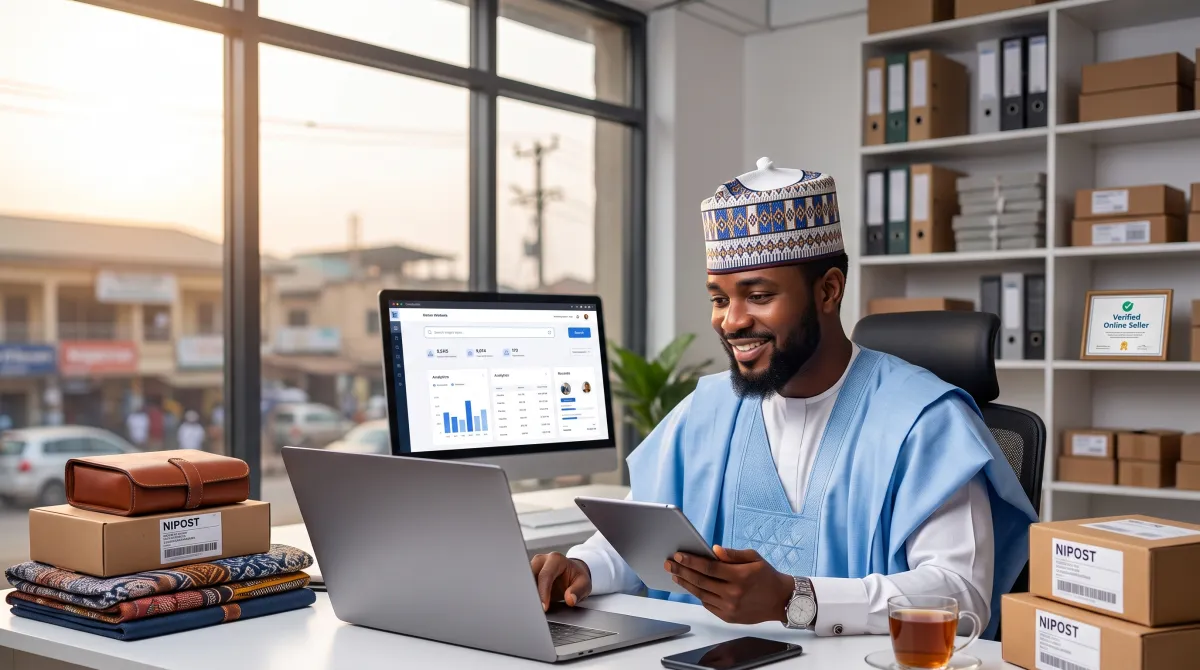
By offering robust verification systems, Kanemtrade acts as a trusted bridge between the local Arewa merchant and the cautious global buyer. When an international buyer knows that a third party has verified the seller's business registration, inspected the product quality, and secure-locked the payment in an escrow account until the goods are delivered, the fear evaporates. Secure logistics networks tailored specifically for the Arewa region ensure that goods flow seamlessly from northern farms and workshops to international hubs, with real-time tracking that keeps anxious buyers informed every step of the way.
Editor's Choice: Stay Connected, Hands-Free
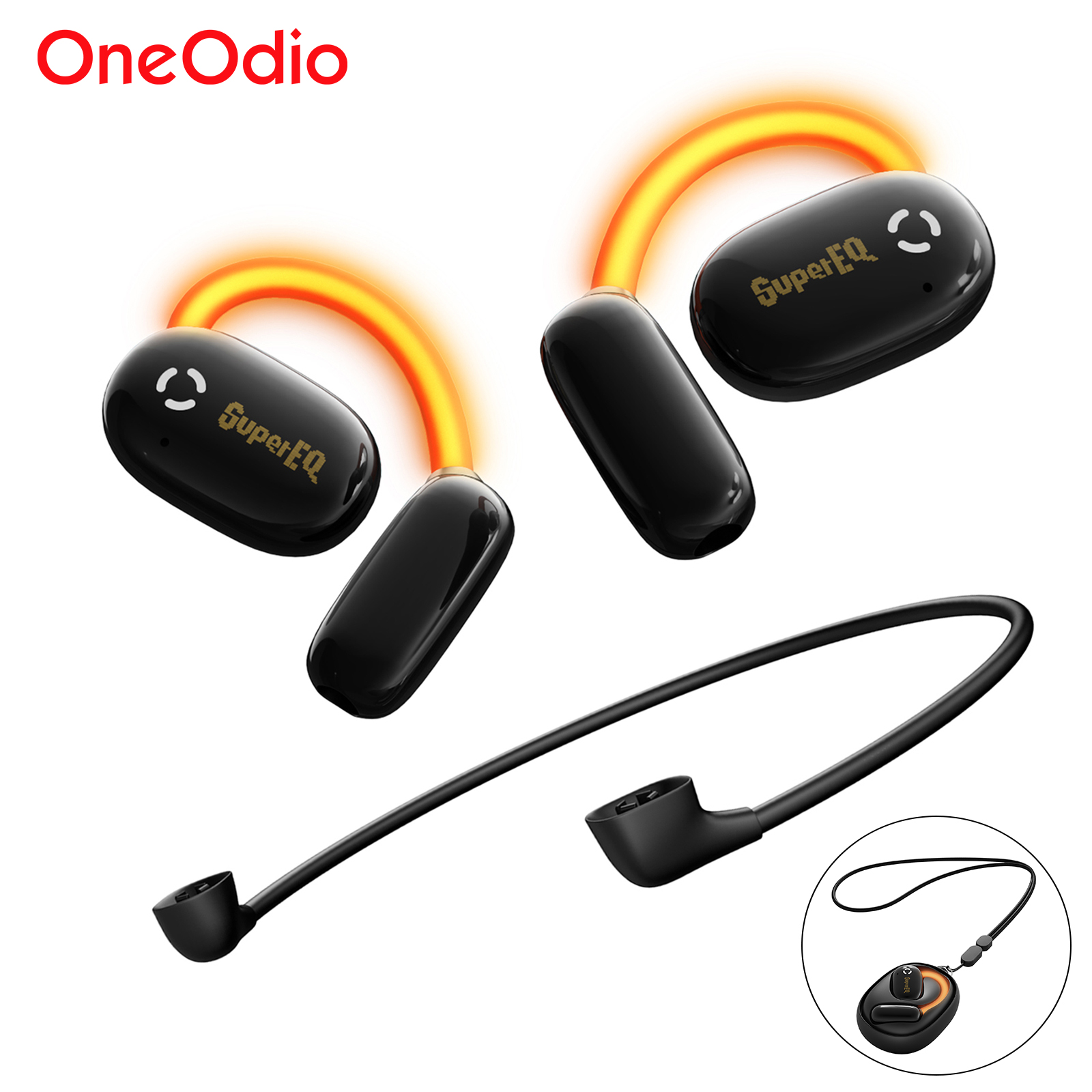
As a modern exporter, managing international clients while navigating the noisy, bustling streets of Kano or Lagos requires constant communication. To help you stay on top of your business without losing touch with your surroundings, we recommend the Oneodio SuperEQ D72 Open-Ear Earphones. Featuring advanced Bluetooth 5.4, a comfortable neckband design, and IPX4 water resistance, these air conduction sports earbuds allow you to take crystal-clear calls from international buyers while keeping your ears open to the sounds of your environment. Whether you are inspecting cargo in a busy warehouse or negotiating with suppliers, the custom app control ensures your audio experience is perfectly tailored to your busy day.
4. Rewriting the Narrative, One Shipment at a Time
The fear of buying "Made in Nigeria" is not permanent. It is a hurdle of perception and infrastructure, both of which are actively being dismantled. By embracing professional packaging, seeking domestic and international certifications, and leveraging platforms like Kanemtrade for secure logistics and verification, Nigerian businesses can build unshakeable credibility.
Our craftsmanship is unmatched. Our agricultural resources are world-class. When we pair our natural talents with transparent business practices, reliable logistics, and ironclad trust, "Made in Nigeria" will no longer scare international buyers—it will become their gold standard.




comments (0)
Leave a Comment