
 Phones and Accessories
 Computers and Accessories
 Men Clothing & Fashion
 Women Clothing and Fashion
 Home Improvement & Tools
 Jewelry & Accessories
 Health and Beauty
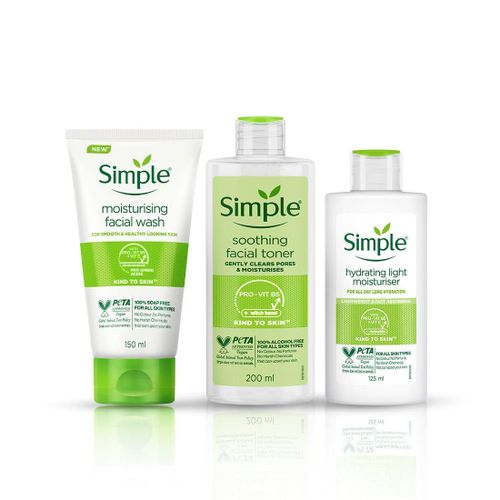 Skincare
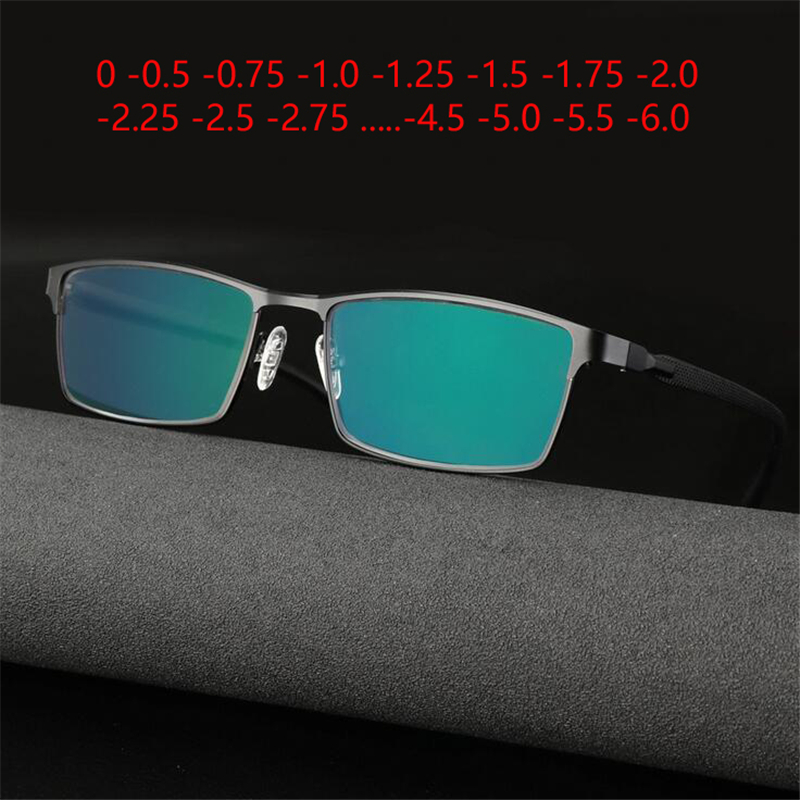 Photochromic Glasses (Lens)
 Smart watch
 Food and Groceries
 Animals & Pet Supplies
 Apparel & Accessories
 Arts & Entertainment
 Baby & Toddler
 Business & Industrial
 Cameras & Optics
 Electronics
 Food, Beverages & Tobacco
 Furniture
 Hardware
 Health & Beauty
 Home & Garden
 Luggage & Bags
 Mature
 Media
Media Office Supplies
 Religious & Ceremonial
 Software
 Sporting Goods
 Toys & Games
 Vehicles & Parts
Why Buyers Are Getting Pickier — and What It Means for Where They'll Shop Next
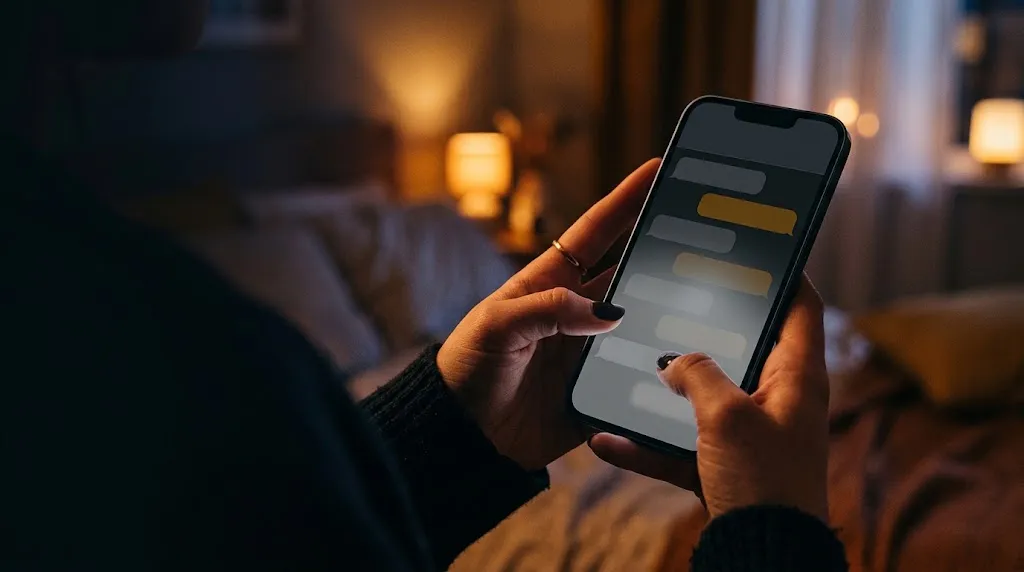
Sellers looove to complain that buyers today are “too picky” — too many questions, too much hesitation, too many abandoned carts.
So we asked twenty buyers a simple question: when's the last time you screenshotted something you wanted, and never actually bought it? Every single one had an answer in seconds. And the reasons had almost nothing to do with the products themselves.
Twenty buyers, one pattern
“No reviews, so I backed out.” “The seller went quiet after I asked about delivery.” “It just felt like it was about to go wrong.” Twenty different products, twenty different people, and almost the exact same sentence repeated in different words.
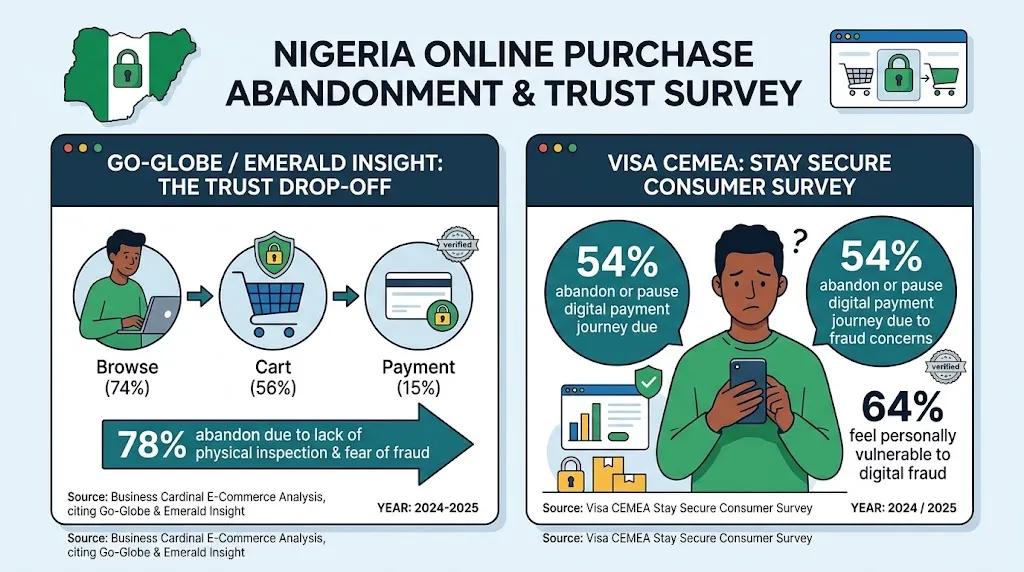
Not one person said the product was ugly. Not one said it was overpriced, the wrong size, or the wrong colour. Every single reason was about trust, not desire. They wanted the thing. They just didn't trust the process enough to send the money.
The invisible checklist every buyer runs
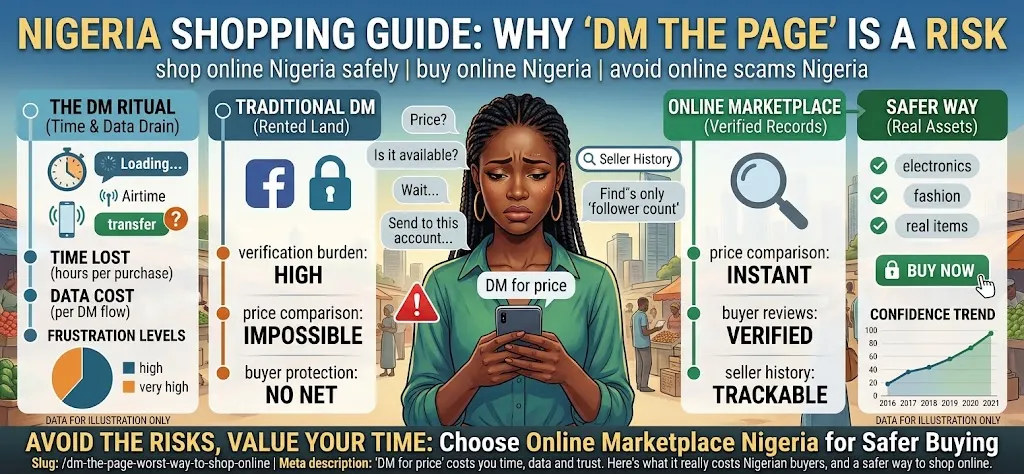
Most buyers couldn't tell you they're running a checklist. But they are. Can I see reviews from real people? Does this seller keep replying after I show genuine interest, or do they go quiet right when it matters? Is there any visible proof they've actually delivered before?
When the honest answer is “no” across the board, the buyer doesn't make a dramatic decision to walk away. They just quietly stop replying. That's the screenshot-and-never-buy moment, playing out thousands of times a day across the market.
Why it's getting worse, not better
As more sellers pile onto the same handful of platforms, three things happen at once. Buyers get overwhelmed with near-identical pages that all look the same. Copycat and fake pages get easier to set up than ever. And the algorithm — not the buyer — decides which sellers even show up, so a genuinely honest shop can stay invisible while a louder one gets seen.
The result is more effort for buyers and less confidence in what they're looking at, even when the seller in question is completely legitimate.
What this means for where the market goes next
Shops that make trust visible — real reviews, a track record, any kind of protection on the transaction — will keep pulling ahead. Not because they're more likeable or better at marketing, but because they remove the exact hesitation that's currently costing every other seller the sale.
Buyers aren't getting harder to please. They're getting better at recognising the shape of a bad experience before it happens to them. That's not a buyer problem to solve. It's a proof problem, and it's solvable.
In fairness
Plenty of Instagram sellers are completely honest, hard-working people. This isn't about scam-baiting anyone. It's that the current system puts all the verification work on the buyer, with almost none of the protection, every single time — even when the seller on the other end is perfectly trustworthy.
The bottom line
Next time you're about to back out of a purchase, notice what actually made you hesitate. Was it the product — or was it the missing proof? Tell us in the comments: what's the real reason behind your last abandoned purchase?
Tomorrow: we name the actual thing every seller is really competing against. It's not the seller next door.







comments (0)
Leave a Comment