
 Phones and Accessories
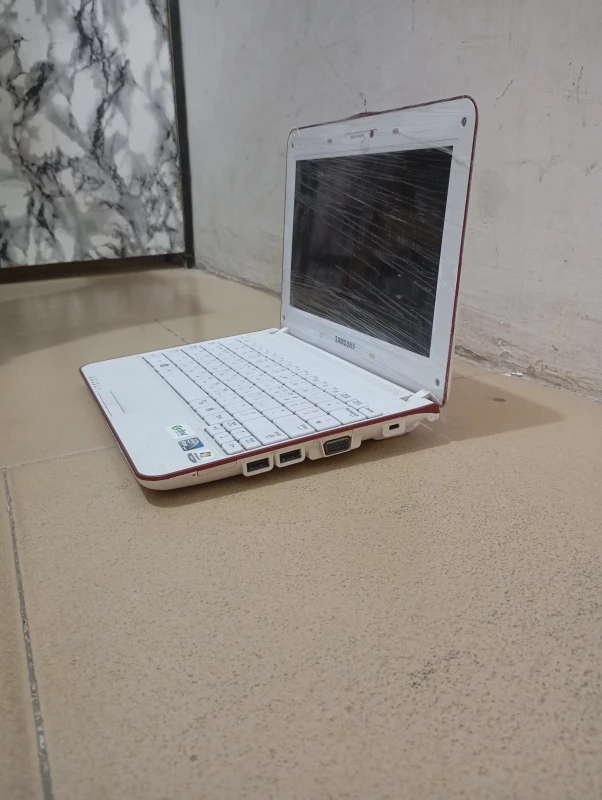 Computers and Accessories
 Men Clothing & Fashion
 Women Clothing and Fashion
 Home Improvement & Tools
 Jewelry & Accessories
 Health and Beauty
 Skincare
 Photochromic Glasses (Lens)
 Smart watch
 Food and Groceries
 Animals & Pet Supplies
 Apparel & Accessories
 Arts & Entertainment
 Baby & Toddler
 Business & Industrial
 Cameras & Optics
 Electronics
 Food, Beverages & Tobacco
 Furniture
 Hardware
 Health & Beauty
 Home & Garden
 Luggage & Bags
 Mature
 Media
Media Office Supplies
 Religious & Ceremonial
 Software
 Sporting Goods
 Toys & Games
 Vehicles & Parts
The Silent Sabotage: Why Nigerian Banks Are Secretly Killing Your Online Shopping Dreams
Table of Contents
The Wallet Trap: Understanding the Core Problem The Logistics Loophole & The Trust Deficit The Solution: How to Thrive Despite the Banks Conclusion: Reclaiming Your Online Shopping Power The Invisible Transaction Limits (The €20 Problem) The Verification Nightmare: When 3D Secure Fails Why Local Merchants Suffer Editor's Choice: Verification You Can Trust Alternative Payment Infrastructure

If you live in Nigeria and have tried to buy anything online—be it an essential software license, a course from abroad, or even that perfect gadget from an international vendor—you know the pain. It’s a unique, soul-crushing experience. You fill your cart, input your card details, click “Pay,” and then the dreaded message appears: “Transaction Failed.”
It happens so often that we’ve normalized the failure. We blame the internet, we blame the vendor, we even blame the network provider. But what if the problem is far closer to home, deliberate, and often silent? What if the very institutions meant to facilitate your financial life are secretly the ones holding you back?
The Wallet Trap: Understanding the Core Problem
The frustration is real. When your local bank card, loaded with hard-earned Naira, refuses to process a $50 payment, it feels like a personal attack. This sabotage isn’t arbitrary; it is rooted in deep structural issues stemming primarily from the Central Bank of Nigeria (CBN) and the resulting scarcity of foreign exchange (Forex).
Your Nigerian bank is caught between a rock and a hard place. They need foreign currency to settle international transactions, but the supply is volatile and limited. Rather than telling you the truth—that they don't have the Forex liquidity to support your spending—they employ measures that look like technical failures but are, in reality, enforced spending caps.
The Invisible Transaction Limits (The €20 Problem)
Remember when you could spend hundreds of dollars online with ease? Those days are long gone. Most Nigerian banks have unilaterally slashed international spending limits to laughably low figures, often between $20 and $100 per month. This isn’t a suggestion; it’s a mandate.
- Monthly Caps: You might not even realize you have spent your $20 limit until your card fails on the 10th day of the month.
- Currency Scrutiny: Your bank is actively monitoring every single transaction to ensure it aligns with volatile CBN guidelines, leading to instant flags and declines for anything deemed “non-essential.”
- The Domino Effect: These limits don't just affect consumers; they cripple small businesses relying on international software subscriptions, cloud services, and verified supplier payments.
Think about the entrepreneur trying to pay for necessary marketing tools or inventory verification services. They are forced to engage in complex, risky black market Forex transactions simply because their bank refuses to let them spend their own money internationally. This isn’t just inconvenience; it's an economic handicap.
The Verification Nightmare: When 3D Secure Fails
Even when the transaction limit isn't the issue, verification often is. Nigerian banks rely on systems like 3D Secure, which should provide an extra layer of security (usually via an OTP sent to your registered phone number). But how often does that OTP arrive late, or, worse, not at all?
This technical failure, often dismissed as “network wahala,” is often exacerbated by bank systems that are slow to communicate with international gateways, causing timeouts. The international vendor sees a stalled transaction, the bank sees an incomplete handshake, and you, the customer, are left stranded, repeatedly refreshing a payment page that will inevitably decline.
The Logistics Loophole & The Trust Deficit
The failure of the banking sector to facilitate smooth payments creates a massive secondary problem: a severe trust deficit in the local e-commerce ecosystem. If I cannot trust my bank to process my payment, how can I trust a vendor to deliver my goods?
This is where local verification and dependable logistics become non-negotiable. E-commerce platforms must work twice as hard to build the bridge of trust the banks have burned. Reliability in delivery and verification is the only antidote to financial uncertainty.
For example, reliable logistics partners need to offer transparent tracking and verification systems. Companies like Kanemtrade, specializing in secure and verified cross-border supply chains, thrive precisely because they understand this trust gap. When the financial infrastructure is shaky, the physical infrastructure — the delivery, the verification, the proof of receipt — must be flawless.
Why Local Merchants Suffer
The bank sabotage pushes consumers toward “Pay on Delivery” (PoD). While PoD offers consumers safety, it introduces massive risk and cost for the merchant (failed deliveries, tied-up capital, security issues). The entire system becomes inefficient because the foundational layer (payments) is broken by design.
Editor's Choice: Verification You Can Trust
In a world where financial verification is unreliable, ensuring accurate personal health data is paramount. Just as secure logistics relies on verified delivery, personal health relies on verified measurement.
Featured Product: 2025 New Air Pump Blood Pressure Accurate Measure Smart Watches Men Micro Physical Examination Fitness Sports Airbag SmartWatch
This advanced smartwatch uses airbag technology for medically accurate, micro-physical examination readings. When you need reliability and precision that surpasses standard optical sensors, this device delivers verified, actionable health data right to your wrist. Trust in technology that delivers guaranteed accuracy, unlike the uncertainty of the banking system.
(Note: Product inclusion is a native advertisement and not the focus of this informational article.)
The Solution: How to Thrive Despite the Banks
We cannot wait for the banks to fix themselves; the systemic pressures are too great. The empowered Nigerian consumer and business owner must adopt strategies to bypass or mitigate the bank-imposed roadblocks.
Alternative Payment Infrastructure
The future of frictionless e-commerce in Nigeria lies in diversifying payment methods away from Naira-denominated bank cards for international purchases.
- Virtual USD Cards: Many fintech startups now offer virtual dollar cards that are funded independently of your Naira account. These cards often have higher, more reliable limits, as they are secured by pre-funded dollar balances.
- Peer-to-Peer (P2P) Crypto: For tech-savvy merchants and consumers, stablecoins (like USDT) offer a reliable, instant, and borderless payment rail that bypasses the traditional banking bottlenecks entirely.
- Global Payment Platforms: Utilize wallets and platforms (like PayPal or Payoneer) that maintain higher success rates for cross-border transactions than local bank cards, especially when linked to foreign-held accounts or virtual card providers.
This shift isn't just about convenience; it's about reclaiming financial sovereignty. It is about refusing to let archaic policies dictate whether you can participate in the global digital economy.
Conclusion: Reclaiming Your Online Shopping Power
The silent sabotage by Nigerian banks, driven by Forex scarcity and restrictive CBN policies, is a continuous headache for everyone. It limits access to global goods, stifles local innovation, and erodes precious consumer trust. However, understanding the mechanics of this failure is the first step toward overcoming it.
Stop beating yourself up over that “Transaction Failed” message. It’s usually not your fault. By adopting smarter payment strategies, utilizing reliable verification systems like those championed by secure logistics partners, and demanding better transparency, Nigerians can navigate this difficult financial landscape and reclaim their right to frictionless online transactions.
The e-commerce revolution won't wait for the banking system to catch up. We must evolve faster.









comments (0)
Leave a Comment