
 Phones and Accessories
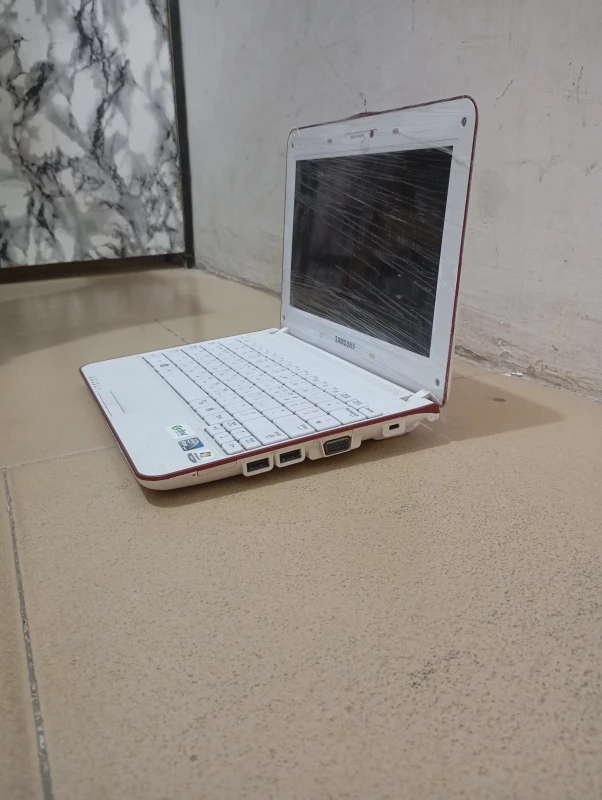 Computers and Accessories
 Men Clothing & Fashion
 Women Clothing and Fashion
 Home Improvement & Tools
 Jewelry & Accessories
 Health and Beauty
 Skincare
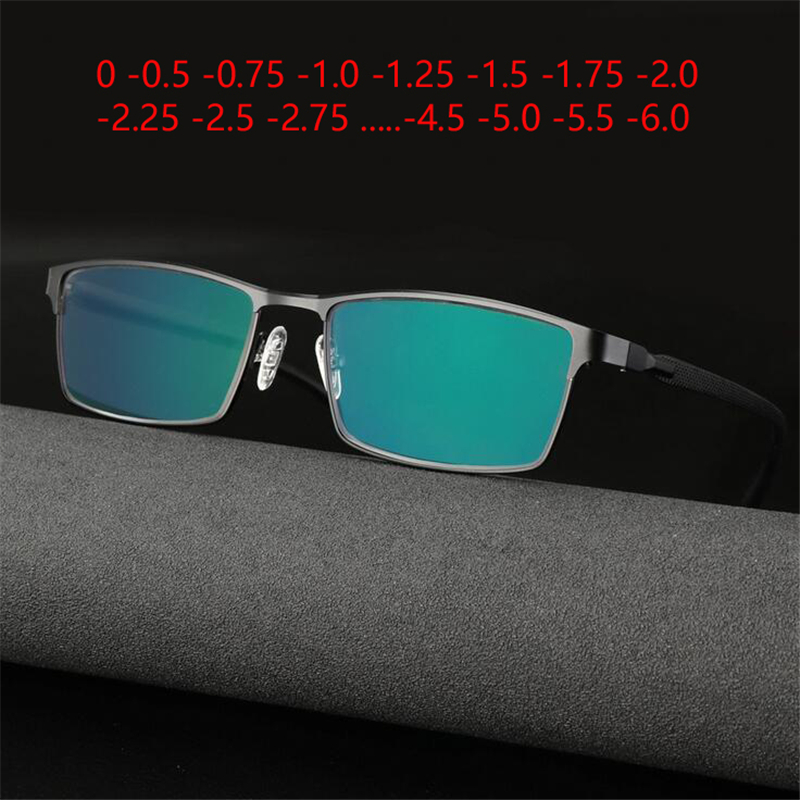 Photochromic Glasses (Lens)
 Smart watch
 Food and Groceries
 Animals & Pet Supplies
 Apparel & Accessories
 Arts & Entertainment
 Baby & Toddler
 Business & Industrial
 Cameras & Optics
 Electronics
 Food, Beverages & Tobacco
 Furniture
 Hardware
 Health & Beauty
 Home & Garden
 Luggage & Bags
 Mature
 Media
Media Office Supplies
 Religious & Ceremonial
 Software
 Sporting Goods
 Toys & Games
 Vehicles & Parts
The Silent Disconnect: Why Your Pricing Strategy is Scaring Away the Nigerian Middle Class
Table of Contents
The Shifting Sands of the Nigerian Economy The Psychology of the Nigerian Middle-Class Buyer The 'Hidden Costs' of Logistics in Nigeria The Myth of 'Premium' vs. 'Overpriced' Conclusion: Empathy as a Business Strategy The Trust Deficit and the 'Verification' Factor Editor’s Choice: The Value-Driven Professional’s Tool How to Win Back the Disappearing Middle Class

The Shifting Sands of the Nigerian Economy
For years, the Nigerian middle class has been the heartbeat of the nation’s economy. They are the white-collar professionals, the tech enthusiasts, the small business owners, and the educators who drive consumption. However, walk into any major retail hub or scroll through popular e-commerce platforms today, and you will notice a disturbing trend: a growing silence. The once-vibrant middle-class consumer is retreating, and the reason isn't just the exchange rate—it is a fundamental failure in pricing strategy that feels more like an assault than an invitation.
As inflation continues to bite and the cost of living skyrockets, the Nigerian consumer has become more surgical with their spending. They are no longer buying based on aspiration alone; they are buying based on survival and strict utility. When a business refuses to acknowledge this shift, they don't just lose a sale; they lose a lifelong customer. It’s time we talk about why your current pricing model is scaring away the very people who built your brand.
The Psychology of the Nigerian Middle-Class Buyer
To understand why they are leaving, you must understand their mindset. The Nigerian middle class is currently in a state of 'defensive spending.' They are constantly calculating the opportunity cost of every Naira spent. If a laptop costs the equivalent of two months' rent, that laptop is no longer a tool; it’s a luxury they can’t justify.
Many businesses have responded to the volatile Naira by simply 'padding' prices to create a safety net for themselves. While this protects the business's margins in the short term, it creates a psychological barrier. The consumer feels exploited. In a culture where trust is already a scarce commodity, aggressive pricing feels like a lack of empathy for the struggle the average professional is facing.
The Trust Deficit and the 'Verification' Factor
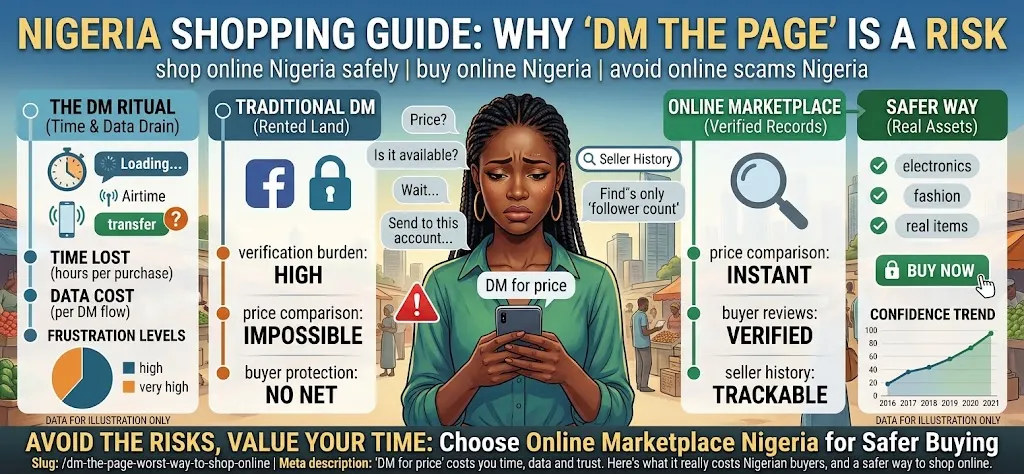
In Nigeria, shopping online is often a game of Russian Roulette. Will the product look like the picture? Will it even arrive? When you combine high prices with a lack of verified trust, the middle-class buyer—who is now more risk-averse than ever—will simply walk away. This is where the concept of verification becomes more important than the price tag itself. They need to know that if they are parting with their hard-earned money, the value is guaranteed. This is why platforms like Kanemtrade have become essential; they act as a bridge of trust in a market full of uncertainty.
Editor’s Choice: The Value-Driven Professional’s Tool
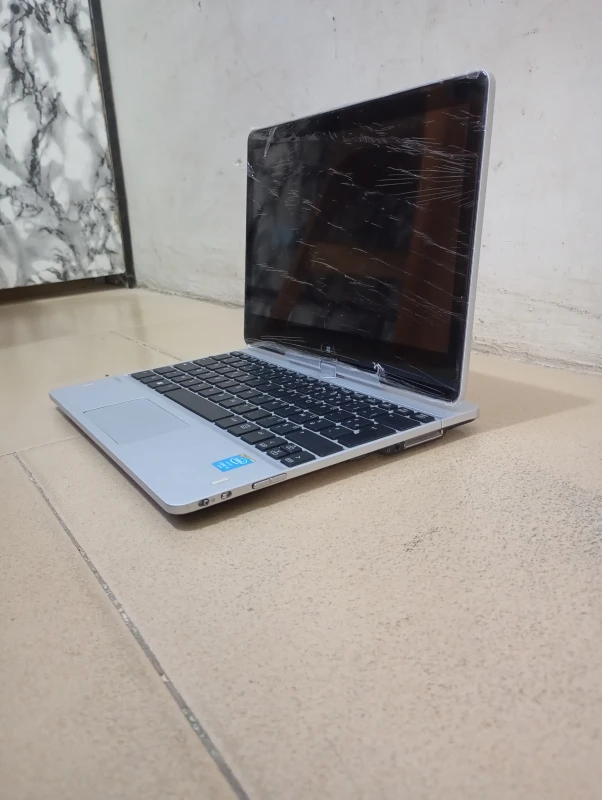
If you are looking for a perfect example of balancing performance with realistic pricing, the HP EliteBook Revolve 810 G2 Core i5 8GB RAM 256GB SSD Convertible Laptop stands out. It offers the versatility of a tablet with the power of a workstation, making it an ideal choice for the Nigerian professional who needs reliability without the 'prestige' markup often found in newer, less durable models. It is a testament to choosing value over vanity.
The 'Hidden Costs' of Logistics in Nigeria
One of the biggest reasons middle-class Nigerians abandon their carts isn't the price of the item itself, but the 'Nigerian Factor' added at checkout. We are talking about logistics. When a customer sees a fair price for a gadget but is hit with an exorbitant, non-transparent delivery fee, the deal is dead.
Logistics in Nigeria is notoriously difficult, but the middle class is tired of being the ones to pay for a business's operational inefficiencies. Successful brands are those that find a way to streamline their supply chain, perhaps by partnering with localized hubs, to ensure that the final price the customer sees is the price they actually pay. Transparency in logistics is the secret weapon of modern Nigerian e-commerce.
The Myth of 'Premium' vs. 'Overpriced'
There is a fine line between a premium product and an overpriced one. In a thriving economy, the middle class will pay for 'premium' because it signals status. In the current Nigerian climate, status has taken a backseat to Functionality. If your pricing strategy targets the 'status' side of the middle class without delivering 10x the functionality, you are scaring them away.
They are now looking for 'workhorses,' not 'show horses.' They want devices and services that will last five years, not something that needs an upgrade in twelve months. If your pricing doesn't reflect the longevity and durability of the product, the Nigerian buyer will pivot to the second-hand market or lower-tier brands that offer a better ROI (Return on Investment).
How to Win Back the Disappearing Middle Class
- Adopt Value-Based Pricing: Stop looking at what your competitors are charging and start looking at what your customers can actually afford without breaking their homes.
- Transparency is King: Be upfront about costs. Use platforms like Kanemtrade to verify your business and your products, showing the customer that their investment is safe.
- Focus on Utility: Highlight how your product solves a problem or saves money in the long run. Emphasize durability.
- Flexible Payment Options: The 'Buy Now, Pay Later' model is no longer a luxury in Nigeria; for the middle class, it’s becoming a necessity.
Conclusion: Empathy as a Business Strategy
The Nigerian middle class isn't 'broke'; they are just being careful. They are waiting for brands that understand their current reality. When you adjust your pricing strategy to reflect empathy, transparency, and genuine value, you aren't just making a sale—you are building a fortress of brand loyalty that will last long after the current economic woes have passed. It’s time to stop pricing for the 1% and start pricing for the people who keep the country moving. Trust, verification, and fair value are the only ways forward in the Nigerian market.







comments (0)
Leave a Comment