 Phones and Accessories
 Computers and Accessories
 Men Clothing & Fashion
 Women Clothing and Fashion
 Home Improvement & Tools
 Jewelry & Accessories
 Health and Beauty
 Skincare
 Photochromic Glasses (Lens)
 Smart watch
 Food and Groceries
 Animals & Pet Supplies
 Apparel & Accessories
 Arts & Entertainment
 Baby & Toddler
 Business & Industrial
 Cameras & Optics
 Electronics
 Food, Beverages & Tobacco
 Furniture
 Hardware
 Health & Beauty
 Home & Garden
 Luggage & Bags
 Mature
 Media
Media Office Supplies
 Religious & Ceremonial
 Software
 Sporting Goods
 Toys & Games
 Vehicles & Parts
The "Pre-Order" Trap: Are You Selling Products or Selling Hope to Your Customers?
Table of Contents
The Heartbreak of the WhatsApp Status Scroll The Allure of the Pre-Order Model When Hope Becomes a Nightmare The Trust Deficit and the Kanemtrade Solution The Logistics Wahala: Why 3 Weeks Turns into 3 Months Building a Business on Reality, Not Just Pictures Final Thoughts Editor's Choice: Quality You Can Trust Today

The Heartbreak of the WhatsApp Status Scroll
We have all been there. You are scrolling through your WhatsApp status or Instagram feed, and you see it—the perfect pair of shoes or that sleek kitchen gadget. The caption reads: "Pre-order now! Arriving in 3-4 weeks. Pay 70% commitment fee." You look at the price, it is a steal. You look at the pictures, they are glowing. You send the money, and then the counting begins.
In Nigeria, the "Pre-Order" model has become the backbone of mini-importation. It allows small business owners to start with zero capital, using the customers' money to fund the purchase. But lately, this model has turned into a trap. It has moved from selling products to selling something much more fragile: hope. And when hope is delayed, the heart of the Nigerian consumer grows very, very bitter.
The Allure of the Pre-Order Model
Why is everyone doing it? For the entrepreneur, it is the ultimate safety net. You do not need a warehouse in Lagos or a shop in Onitsha. You do not need millions in the bank. You simply find a hot product on a Chinese website, add your margin, and wait for the alerts. It sounds like the perfect business plan, especially with the current fluctuations in the Naira. It minimizes the risk of holding dead stock.
However, for the customer, pre-ordering is an act of extreme faith. They are trusting you with their hard-earned money in an economy where every Kobo counts. They are trusting that the dollar rate won't spike and cause you to ask for a "top-up." They are trusting that the shipping company won't lose the container at the port.
When Hope Becomes a Nightmare
The trap snaps shut when reality hits. Logistics in Nigeria is not for the faint of heart. We have seen it happen a thousand times: the goods arrive at the port, and suddenly there is a new customs policy. Or the shipping agent stops picking up calls. Or, worst of all, the goods finally arrive, and they look nothing like the professional photos used in the advert.
This is where "What I ordered vs. What I got" memes come from. When you sell a dream and deliver a nightmare, you aren't just losing a sale; you are killing your brand's reputation. In the Nigerian market, trust is the most expensive currency. Once it is spent, you cannot earn it back easily.
Editor's Choice: Quality You Can Trust Today
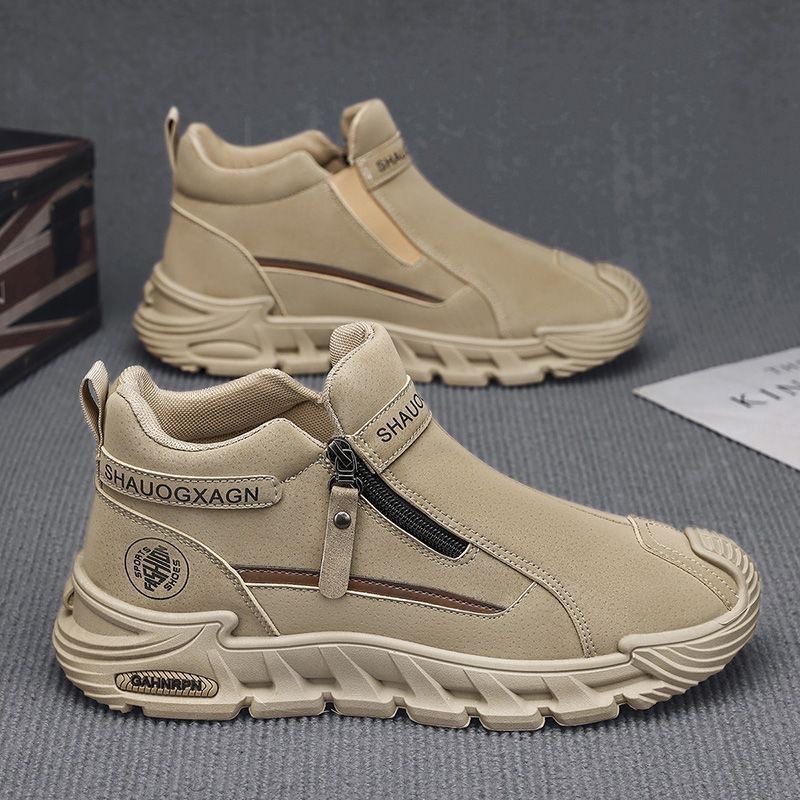
If you are tired of the uncertainty of pre-orders and want a product that matches its promise, look at the Mens Casual Labor Shoes Fashion Zipper Versatile Men Outdoor Climbing Shoes Non Slip Wear-resistant Sneakers Zapatos Para Hombre. These aren't just shoes; they are built for the rugged Nigerian terrain. Featuring a secure zipper design and non-slip soles, they are perfect for the man who values both style and durability. No more waiting for months—what you see is exactly what you get.
The Trust Deficit and the Kanemtrade Solution
How do we bridge the gap between the seller's need for low risk and the buyer's need for certainty? This is where Kanemtrade comes into the picture. The biggest fear for any Nigerian shopper is the "disappearing act" of online vendors. To survive in this climate, you must move away from being a "Ghost Vendor" to a verified business.
Verification is the antidote to the pre-order trap. By using platforms like Kanemtrade, sellers can tap into verified logistics and supply chains that prioritize transparency. When you can tell your customer exactly where their parcel is—from the factory to the clearing agent in Lagos—you are no longer selling hope. You are selling a service.
The Logistics Wahala: Why 3 Weeks Turns into 3 Months
Let's talk about the elephant in the room: Nigerian logistics. A parcel can travel from Shanghai to Lagos in 5 days, only to spend 3 weeks moving from the airport to a delivery hub in Ikeja. As a strategist, I tell my clients: Under-promise and over-deliver.
- Be Honest About Timelines: If the port is congested, tell your customers before they ask.
- Factor in the "Nigerian Factor": Always add a 7-day buffer to whatever the shipping agent tells you.
- Quality Control: Never ship directly from a factory to a customer without a third-party verification. This is why Kanemtrade’s role in the ecosystem is vital—ensuring that the "Labor Shoes" your customer ordered are actually "Labor Shoes" and not plastic replicas.
Building a Business on Reality, Not Just Pictures
The era of "Pay and Wait Forever" is ending. Nigerian consumers are becoming more sophisticated. They are looking for vendors who have Ready-to-Wear or In-Stock items. If you must do pre-orders, you must back them up with a guarantee. Are you willing to offer a refund if the item is delayed past a certain date? If not, you are trapped in the hope-selling cycle.
Successful e-commerce in Africa isn't about who has the flashiest Instagram page. It is about who can solve the logistics puzzle and who can be trusted with a bank transfer at 11:00 PM on a Saturday. It is about moving your business from a position of "I hope it arrives" to "I know it is here."
Final Thoughts
The pre-order model isn't inherently evil, but it is a trap for those who do not respect the complexity of the Nigerian market. Don't let your brand be the one people warn their friends about. Focus on verification, reliable logistics, and honest communication. Whether you are selling high-end sneakers or industrial labor shoes, remember: your customers aren't just buying a product; they are buying the peace of mind that they didn't just throw their money into a black hole.
Stop selling hope. Start selling reality. Your brand—and your bank account—will thank you for it.






comments (0)
Leave a Comment