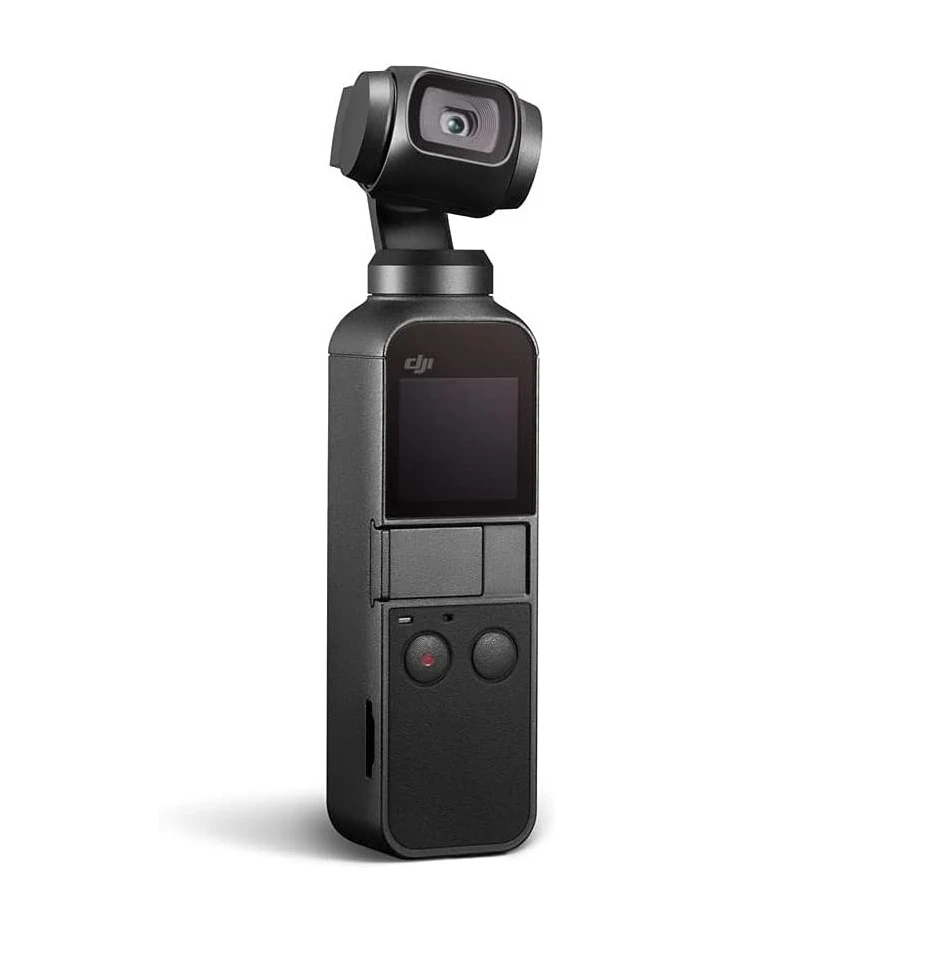
 Phones and Accessories
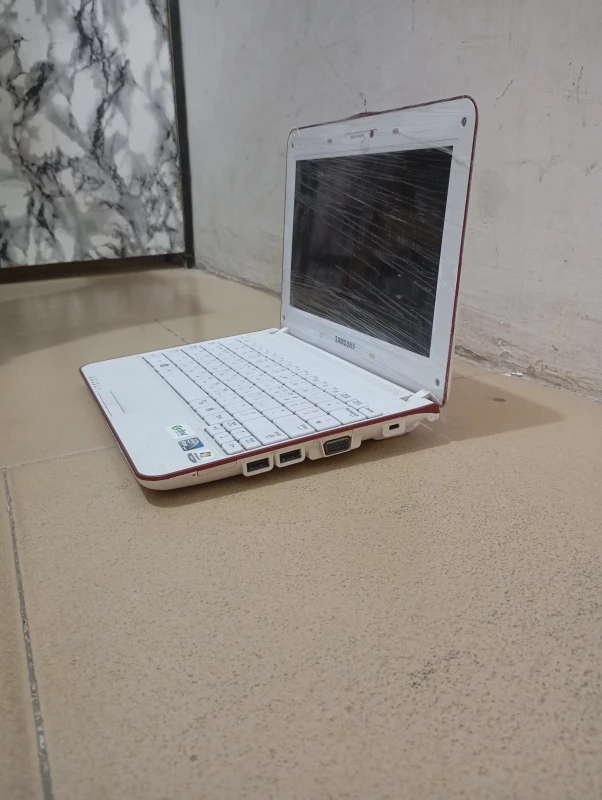 Computers and Accessories
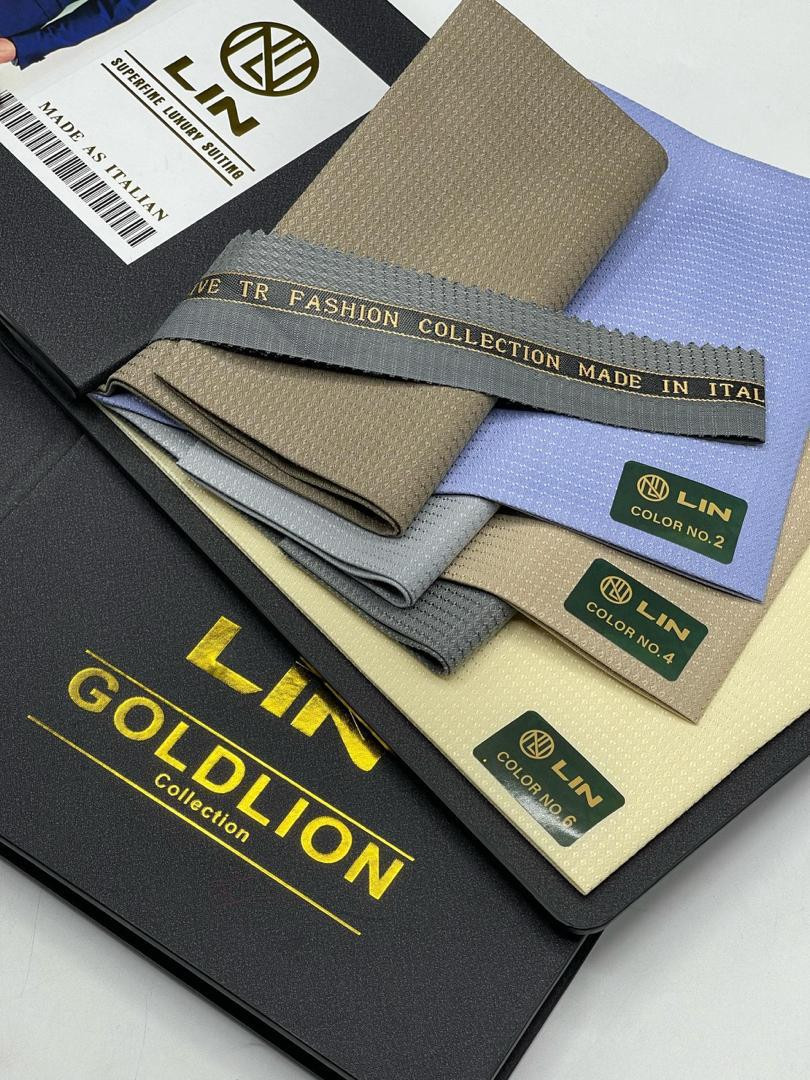 Men Clothing & Fashion
 Women Clothing and Fashion
 Home Improvement & Tools
 Jewelry & Accessories
 Health and Beauty
 Skincare
 Photochromic Glasses (Lens)
 Smart watch
 Food and Groceries
 Animals & Pet Supplies
 Apparel & Accessories
 Arts & Entertainment
 Baby & Toddler
 Business & Industrial
 Cameras & Optics
 Electronics
 Food, Beverages & Tobacco
 Furniture
 Hardware
 Health & Beauty
 Home & Garden
 Luggage & Bags
 Mature
 Media
Media Office Supplies
 Religious & Ceremonial
 Software
 Sporting Goods
 Toys & Games
 Vehicles & Parts
Is Your Business Name Chasing Customers Away? Why Your Branding Sounds Like a Scam (And How to Fix It)
Table of Contents
The Nigerian Trust Deficit: Why Your Name Matters More Than Your Product The Red Flags: Does Your Business Name Scream 'Red Flag'? How to Build Trust Through Localized Branding Verification: The 'Blue Tick' of the Streets Conclusion: Your Name is Your Promise The Psychology of 'The Name' in African E-commerce Editor’s Choice: The Entrepreneur's Focus Tool The Logistics Factor: The Ultimate Proof of Life The 'Japa' Proofing of Your Brand

The Nigerian Trust Deficit: Why Your Name Matters More Than Your Product
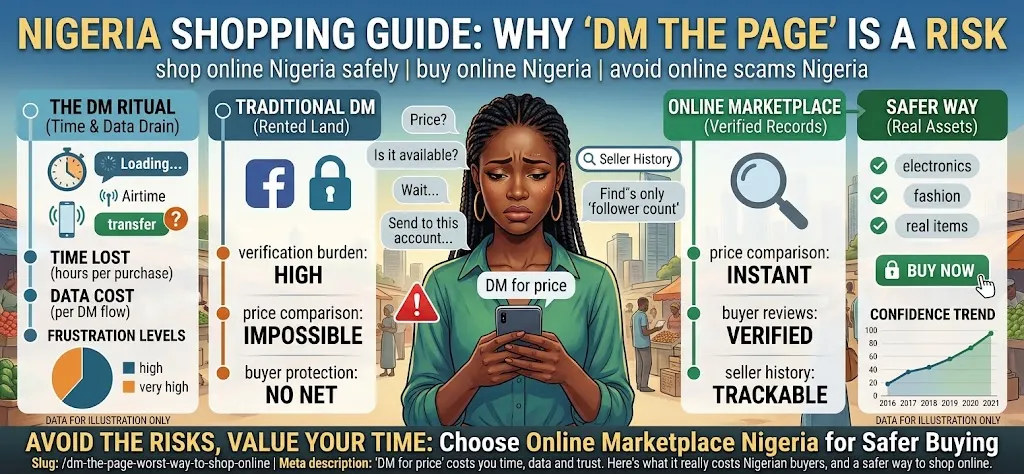
Let’s be honest. In the Nigerian digital marketplace, trust is a currency more valuable than the Naira. When a potential customer scrolls through Instagram or Facebook and sees your ad, the first thing they look at isn’t your price—it’s your name. Before they even click 'Send Message' or 'Add to Cart,' their subconscious mind is running a security check. If your business name sounds like it was generated by a bot or a 'Yahoo boy' in a hurry, you’ve lost the sale before you even started.
We live in a climate where 'What I ordered vs. What I got' is a national trauma. From the busy streets of Lagos to the logistics hubs in Kano, every Nigerian shopper has a story of being 'served breakfast' by an online vendor. This is why branding isn't just about aesthetics; it is about survival. If your business name sounds like a scam, it doesn't matter if you have the best products on Kanemtrade—no one is going to take the risk.
The Red Flags: Does Your Business Name Scream 'Red Flag'?
Many entrepreneurs make the mistake of choosing names that feel safe to them but look suspicious to the public. Here are the common branding traps that make you look like a scammer:
- The Generic Trap: Names like 'Best Quality Goods Nigeria' or 'Cheap Deals 247.' These names lack personality and feel like burner accounts that can be deleted at any moment.
- The Random Number String: If your handle is @LuxuryWears_1229384, customers will assume you are a bot or a fraudulent account intended to evade detection.
- The 'Official' Overcompensation: Adding 'Official,' 'Real,' or 'Original' to every part of your name often does the opposite of what you intend. In the Nigerian context, the more you scream 'I am real,' the more people suspect you aren't.
- The Copycat: Trying to sound exactly like a big brand (e.g., 'Jumia-Deals-Global') makes you look like a phishing site.
The Psychology of 'The Name' in African E-commerce
In Africa, and specifically Nigeria, communal trust is everything. A name needs to sound established, localized, or professionally distinct. When a customer sees a business name like 'Zora Logistics' versus 'Fast-Deliver-Quick-99,' they instinctively feel more secure with the former. The goal is to sound like an entity, not a ghost.
Editor’s Choice: The Entrepreneur's Focus Tool
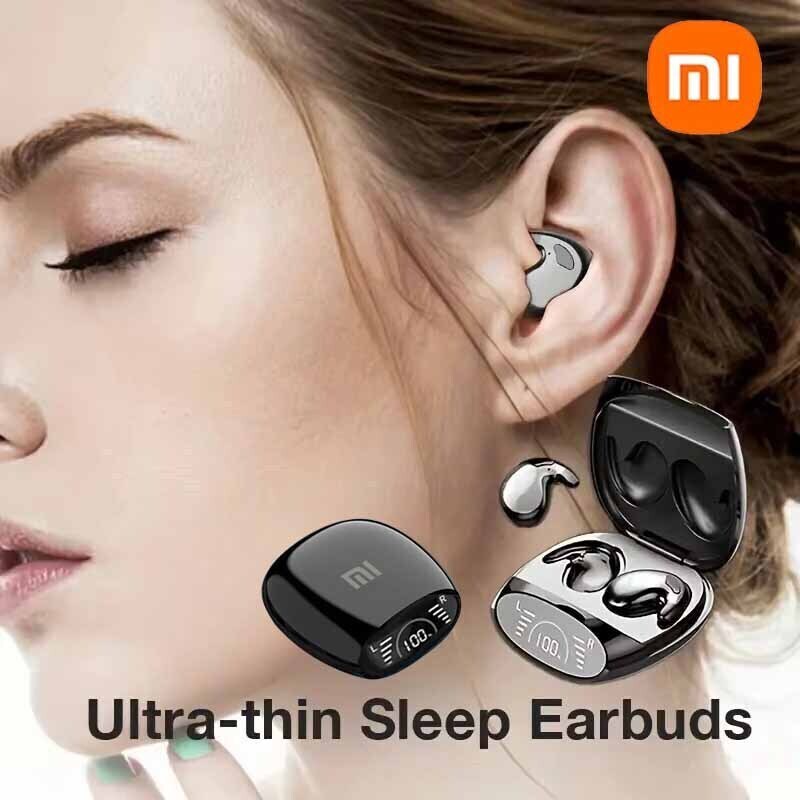
Building a brand from scratch requires late nights and intense focus, especially when you're trying to drown out the noise of the generator or the Lagos traffic. Our editors recommend the Xiaomi Mijia Sleep Invisible Earbuds Tiny Headphone Sport Stereo Bluetooth 5.3 Earphone Hidden Noise Cancelling Wireless Headset. These discreet, ultra-comfortable earbuds are perfect for entrepreneurs who need to stay in the zone while crafting their brand identity or managing customer orders on the go. High-quality sound meets 'invisible' comfort.
How to Build Trust Through Localized Branding
Trust in Nigeria is built on visibility and verification. If you want to move from 'potential scammer' to 'trusted vendor,' you need to align your branding with platforms that Nigerians already trust. This is where Kanemtrade comes in. By listing your products on a reputable marketplace, you leverage their existing credibility.
But the name is still your first point of contact. A good business name should be:
- Pronounceable: If a customer can’t tell their friend your name over a phone call, you’re losing word-of-mouth marketing.
- Evocative: It should hint at what you do without being tacky. 'Lush Interiors' is better than 'We Sell Fine Chairs Lagos.'
- Scalable: Don't name your business 'Ikeja Phone Hub' if you plan to ship nationwide or eventually move into logistics.
The Logistics Factor: The Ultimate Proof of Life
One of the biggest fears for Nigerian shoppers is the 'delivery wahala.' Your branding should extend to how you talk about logistics in Nigeria. Mentioning your delivery partners, showing behind-the-scenes footage of packages being sorted, and having a clear tracking system are all parts of your 'brand name's' reputation. A scammer doesn't care about the last mile; a business owner does.
Verification: The 'Blue Tick' of the Streets
In Nigeria, verification isn't just about a social media badge. It’s about social proof. Your brand name is only as good as the reviews attached to it. Encourage your customers to use your name in their testimonials. When 'Tunde from Port Harcourt' says 'XYZ Stores delivered exactly what I saw,' that name 'XYZ Stores' suddenly gains 100% more trust equity.
The 'Japa' Proofing of Your Brand
Even if you are targeting the diaspora, your name needs to resonate. Nigerians abroad are even more cautious about sending money home for services. They want to see a brand that looks professional enough to hold accountable. If your business name sounds like a temporary hustle, they will keep their Dollars and Pounds far away from you.
Conclusion: Your Name is Your Promise
At the end of the day, your business name is a promise of value. If it sounds sketchy, people will assume your service is sketchy. Take the time to audit your current branding. Ask yourself: 'If I didn't know me, would I send me 50,000 Naira?' If the answer is no, it's time for a rebrand.
Start by cleaning up your social media handles, registering your business properly, and aligning yourself with trusted platforms like Kanemtrade. Build a brand that sounds like a legacy, not a quick lick. Your bank account will thank you for it.






comments (0)
Leave a Comment