
 Phones and Accessories
 Computers and Accessories
 Men Clothing & Fashion
 Women Clothing and Fashion
 Home Improvement & Tools
 Jewelry & Accessories
 Health and Beauty
 Skincare
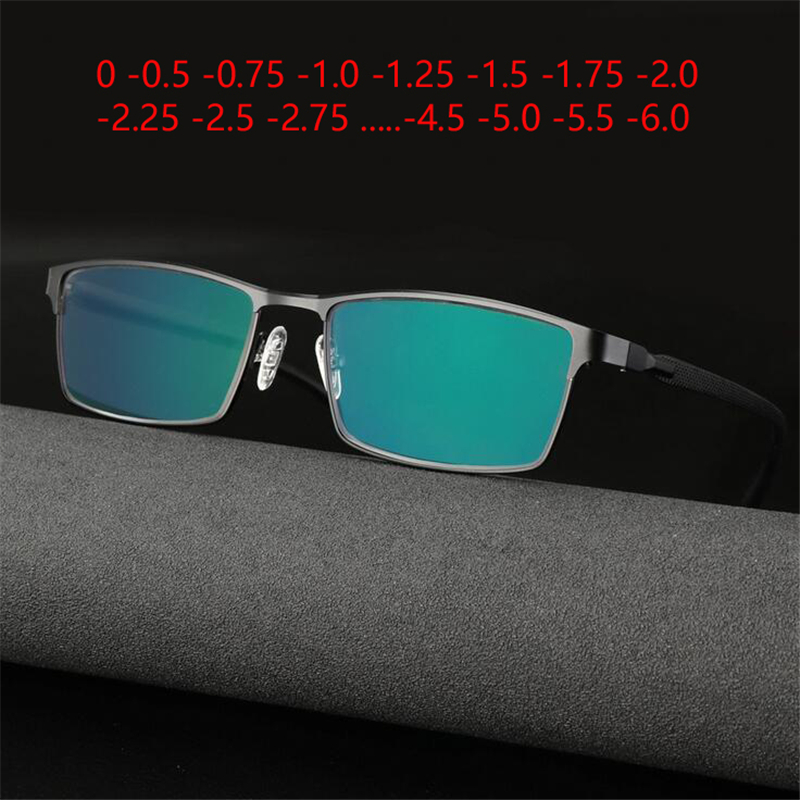 Photochromic Glasses (Lens)
 Smart watch
 Food and Groceries
 Animals & Pet Supplies
 Apparel & Accessories
 Arts & Entertainment
 Baby & Toddler
 Business & Industrial
 Cameras & Optics
 Electronics
 Food, Beverages & Tobacco
 Furniture
 Hardware
 Health & Beauty
 Home & Garden
 Luggage & Bags
 Mature
 Media
Media Office Supplies
 Religious & Ceremonial
 Software
 Sporting Goods
 Toys & Games
 Vehicles & Parts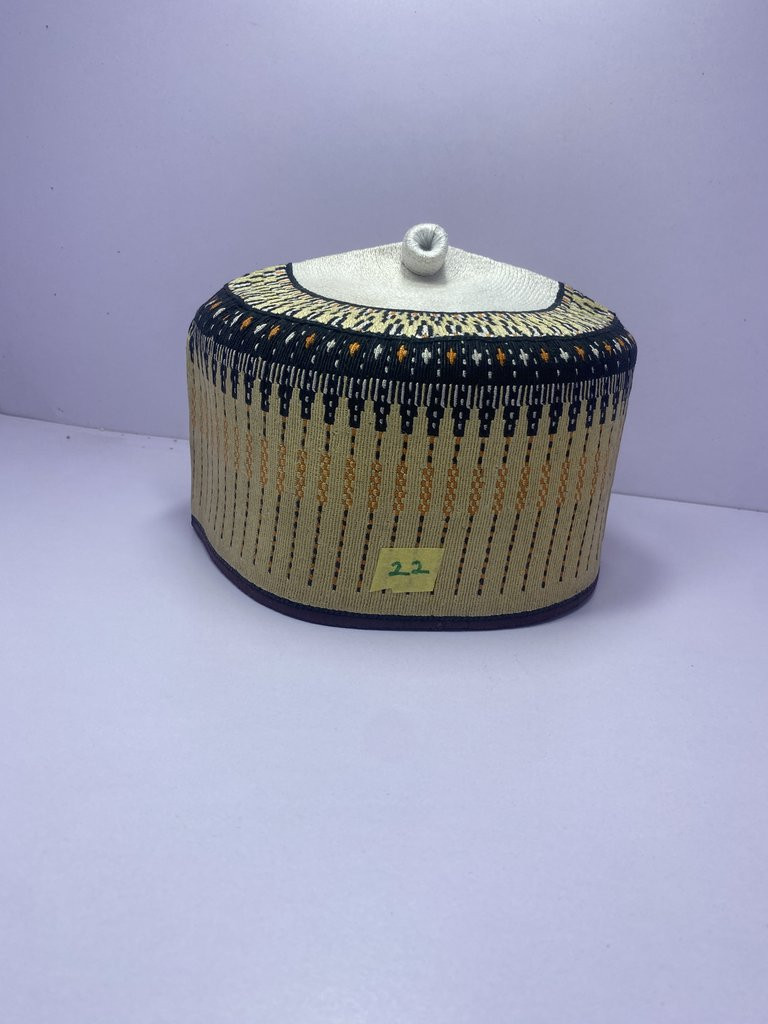
The Harsh Truth: Why Your 1 Million Follower Influencer Can't Sell 10 T-shirts in Nigeria (And What To Do Instead)
Table of Contents
The Illusion of Reach: Why Followers Are Not Buyers The Trust Deficit: Verification is the New Currency The Power of Community: Why Micro is Mighty The Logistics, Trust, and the Last Mile Problem Actionable Steps: Finding Real Selling Power Conclusion: Stop Chasing Ghosts The Kanemtrade Model: Building Bridges of Trust Editor's Choice for E-commerce Success 1. Identify Your True Customer Avatar 2. Prioritize Engagement Over Followers 3. Demand Verification and Social Proof 4. Focus on Affiliate Marketing, Not Flat Fees
You finally pooled that capital. You sourced the perfect t-shirts—quality cotton, fresh designs, ready for the Nigerian market. Your next move? You pay the biggest influencer you can afford. The one with the blue tick and a staggering 1 million followers. You wait for the sales to flood in. Ten T-shirts, surely, is nothing for such reach.
Days pass. You check your bank account. Silence. Maybe one or two confused DMs. Your influencer posted a beautiful picture, tagged you perfectly, and got 50,000 likes. But those likes didn't translate into one single order. You feel cheated, frustrated, and maybe a little foolish. Welcome to the harsh reality of Nigerian e-commerce in the age of vanity metrics.
The Illusion of Reach: Why Followers Are Not Buyers
In the highly dynamic and often skeptical African market, reach means nothing without trust. We are obsessed with follower count, treating it like a measure of influence, when in reality, it's often just a measure of popularity.
Think about the typical mega-influencer's audience:
- The Watchers, Not the Shoppers: A huge percentage follow for entertainment, gossip, or lifestyle envy. They want to see the cars, the trips, the drama—they are not actively looking for a $15 t-shirt from an unverified brand.
- The Global Noise: Your 1 million followers might be 50% international, 30% bots, and 20% local. Of that 20% local, how many are actually in the city your logistics network can reliably cover?
- Lack of Specificity: Mega-influencers are usually generalists. They promote everything from fintech to food. This dilutes their authority on any specific product, especially something as personal as clothing or beauty.
The conversion problem isn't your product; it's the messenger. You bought reach, not influence.
The Trust Deficit: Verification is the New Currency
Nigerian consumers are savvy. They have been burnt by online scams, unreliable payment systems, and logistics nightmares. When someone with 1 million followers promotes a new brand, the immediate reaction is often, “Is this a paid plug? Is this product even real?”
Trust is the bedrock of any successful transaction, especially when cash-on-delivery or complex bank transfers are involved. This is where the sheer size of an audience becomes a liability.
The Kanemtrade Model: Building Bridges of Trust
Platforms like Kanemtrade understand this fundamental challenge. They focus heavily on verification and community feedback, not just follower count. When a vendor is verified or recommended within a smaller, trusted network, the consumer feels protected. They know the logistics tracking is sound, and the product quality is likely vetted.
Your mega-influencer might have the smile, but they don't have the verification badge that matters: the badge of reliable service and community endorsement.
The Power of Community: Why Micro is Mighty
If you want to sell 10 t-shirts, you don't need 1 million eyeballs; you need 100 highly engaged, deeply trusting connections.
Micro-influencers (typically 5,000 to 50,000 followers) thrive on authenticity. They are often specialists—the 'T-shirt guy' in Lekki, the 'natural hair guru' in Abuja. Their audience is active, specific, and listens to their recommendations because they feel like a friend, not a celebrity billboard.
- High Engagement Rates: Micro-influencers often boast engagement rates of 5-10%, compared to the mega-influencer’s 0.5-1%. This means their posts are seen and reacted to by a higher percentage of their base.
- Relatability: They face the same logistics issues and economic realities as their audience. If they recommend a brand, it feels like a genuine solution, not a corporate pitch.
- Conversion Focus: Their success is often tied to actual conversions, making them more focused on driving sales than just generating clicks.
Fact: It is easier to convince 100 people who trust you completely to spend ₦5,000 than it is to convince 1 million strangers who barely noticed your post.
Editor's Choice for E-commerce Success
While you focus on perfecting your marketing strategy, ensure your inventory is top-tier. For businesses specializing in advanced beauty treatments, maintaining quality is non-negotiable.
Product Spotlight: Aqua Peeling Solution Skin Face Facial Deep Clean Essence Product Serum For Hydro Dermabrasion Beauty Machine. This essential serum ensures professional results for hydro-dermabrasion services, guaranteeing repeat customers and premium revenue streams. Quality products build long-term trust, regardless of who is selling them.
The Logistics, Trust, and the Last Mile Problem
In Nigeria, the path from ‘Click’ to ‘Delivered’ is paved with skepticism. A shopper must trust that the courier will find their specific location, that the product won't be swapped out, and that the item they receive matches the picture.
A mega-influencer can generate initial interest, but they cannot solve the underlying trust issues related to payment and delivery. Micro-influencers, especially those focused on local areas, often integrate seamlessly with localized logistics networks, making the entire buying process feel safer and more manageable.
If your influencer doesn't understand the complexity of navigating Lagos or Abuja logistics, they cannot authentically recommend a product that requires reliable delivery.
Actionable Steps: Finding Real Selling Power
It's time to stop paying enormous sums for blue ticks and start investing in community development.
1. Identify Your True Customer Avatar
Who actually buys your t-shirts? Is it university students in Ibadan? Young professionals on the Island? Find influencers who are deeply embedded in those specific communities, not just famous across the country.
2. Prioritize Engagement Over Followers
When vetting a potential partner, look at the ratio of comments to followers. Are the comments genuine questions about the product, or generic emojis? Genuine conversation is the fuel for conversion.
3. Demand Verification and Social Proof
Work with partners who are willing to feature user-generated content (UGC). When a customer posts their own testimonial, it’s 10x more powerful than a staged photoshoot by a celebrity. Use platforms like Kanemtrade that facilitate verified customer reviews to bolster your credibility.
4. Focus on Affiliate Marketing, Not Flat Fees
If an influencer truly believes in your product, they will agree to a commission-based structure. If they only demand a high flat fee regardless of sales, they are selling their fame, not their influence. Shift your budget from upfront payments to performance-based incentives.
Conclusion: Stop Chasing Ghosts
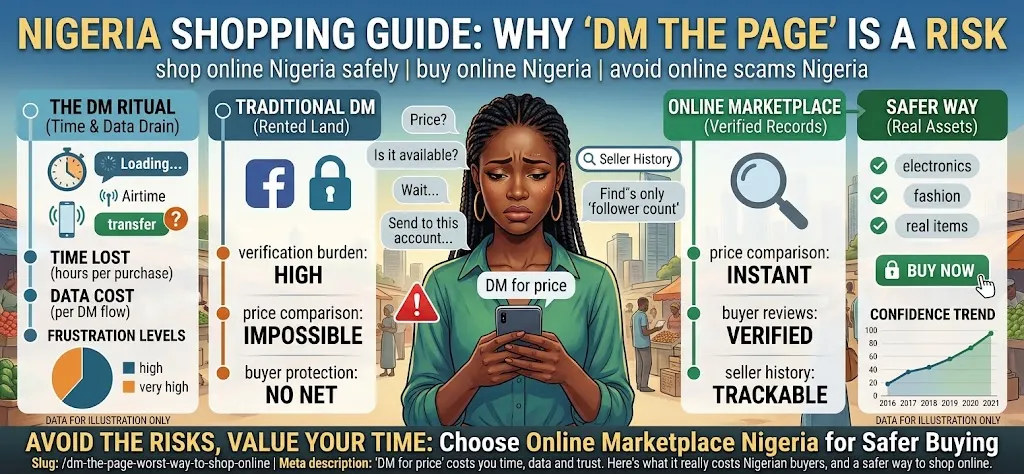
The biggest lesson for e-commerce entrepreneurs in the Nigerian market is this: sales happen in the DMs, not on the main feed. They happen when trust is established, when the messenger is relatable, and when the consumer knows that the entire process—from click to cash-on-delivery—is secure.
Put aside the glamour of the 1 million follower count. Your ten t-shirts will sell faster if you focus on building a network of small, powerful amplifiers who connect authenticity, trust, and reliable logistics directly to your customer base. Stop chasing ghosts of fame and start investing in the real, tangible engine of conversion.








comments (0)
Leave a Comment