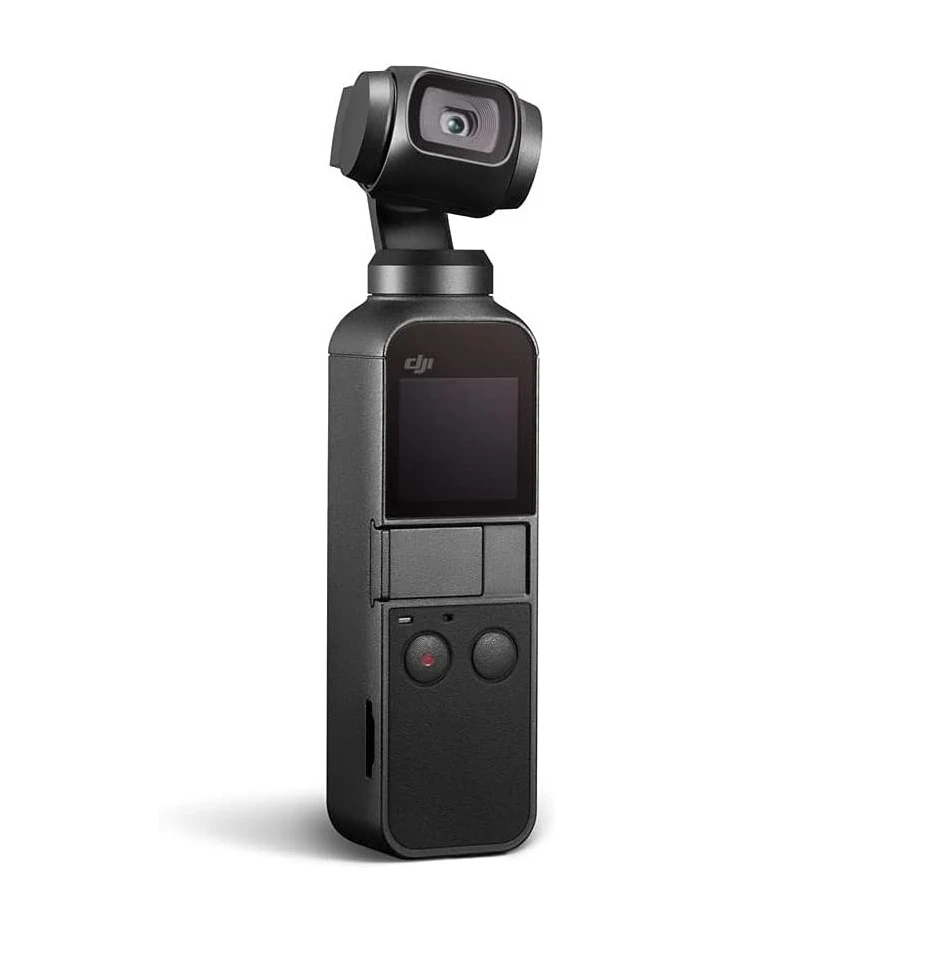
 Phones and Accessories
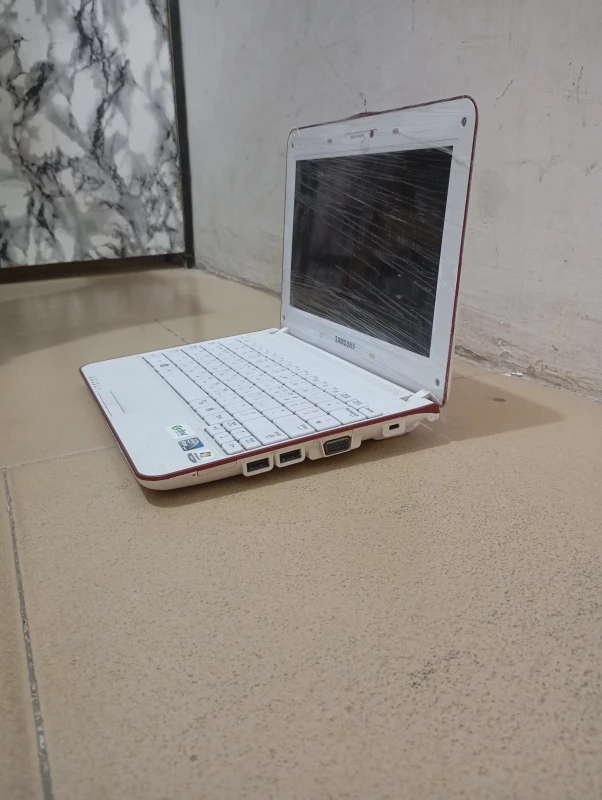 Computers and Accessories
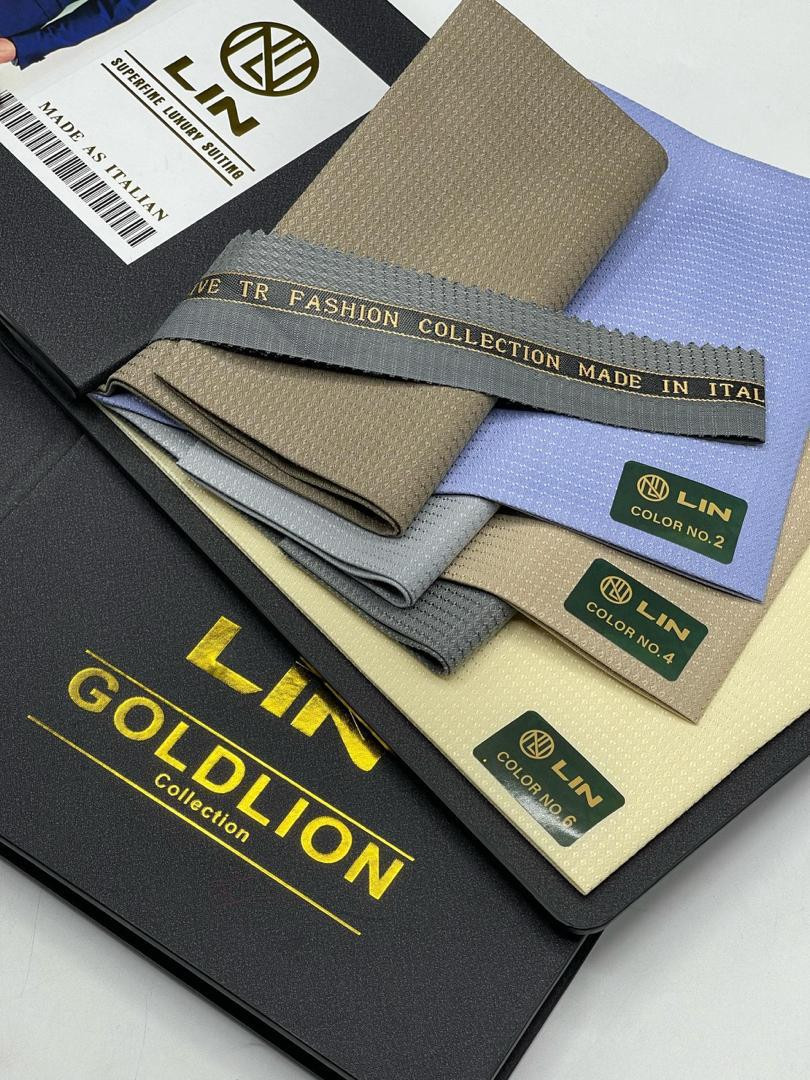 Men Clothing & Fashion
 Women Clothing and Fashion
 Home Improvement & Tools
 Jewelry & Accessories
 Health and Beauty
 Skincare
 Photochromic Glasses (Lens)
 Smart watch
 Food and Groceries
 Animals & Pet Supplies
 Apparel & Accessories
 Arts & Entertainment
 Baby & Toddler
 Business & Industrial
 Cameras & Optics
 Electronics
 Food, Beverages & Tobacco
 Furniture
 Hardware
 Health & Beauty
 Home & Garden
 Luggage & Bags
 Mature
 Media
Media Office Supplies
 Religious & Ceremonial
 Software
 Sporting Goods
 Toys & Games
 Vehicles & Parts
Is 'Free Delivery' a Scam? The Bitter Truth About Online Shopping in Nigeria
Table of Contents
The Allure of the 'Free' Tag: Why Our Hearts Skip a Beat The Economics of the Road: Why Nothing is Truly Free The Logistics Nightmare and the 'Waybill' Culture The Red Flags: How to Spot a 'Free Delivery' Scam The Impact on Small Businesses Conclusion: Value Over 'Freebies' The Psychological Trap: $50 + $10 vs. $60 + Free Shipping Editor's Choice: Built for the Nigerian Hustle Trust and Verification: The Kanemtrade Standard

The Allure of the 'Free' Tag: Why Our Hearts Skip a Beat
We have all been there. You are scrolling through your Instagram feed or browsing an e-commerce site late at night, and you see it—the bold, shining letters: FREE DELIVERY. In a country where the cost of living is rising faster than a Lagos Danfo driver on a clear Monday morning, those two words feel like a blessing. Your brain immediately calculates the savings. You think about the 5,000 Naira you’ll save on a dispatch rider from Ikeja to Lekki, or the 'waybill' fee you won't have to pay to get a package from Onitsha to Abuja. But before you click 'Buy Now,' we need to have a very honest conversation. Is 'Free Delivery' actually free, or is it an elaborate marketing scam designed to make you spend more while receiving less?
The Economics of the Road: Why Nothing is Truly Free
Let’s talk about the reality of the Nigerian terrain. To move a package from point A to point B involves several tangible costs. First, there is fuel. With the recent fluctuations in petrol prices, every kilometer a dispatch bike travels costs a significant amount of money. Then there is the maintenance of the bikes or vans, which have to survive the potholes and the wear and tear of our roads. Add to that the 'Area Boy' settlements, local government levies, and the salary of the rider who is navigating the chaotic traffic of cities like Port Harcourt or Lagos. When a vendor tells you the delivery is free, those costs do not magically disappear. Someone is paying for them. If it isn't you via a shipping fee, then it is hidden inside the price of the product, or worse, it is being cut from the quality of the service you receive.
The Psychological Trap: $50 + $10 vs. $60 + Free Shipping
Marketing experts know that the human brain hates the idea of 'losing' money on service fees. Studies have shown that a customer is more likely to buy a pair of shoes for 30,000 Naira with free delivery than the same shoes for 25,000 Naira with a 5,000 Naira delivery fee. Even though the total is the same, the 'Free' tag triggers a shot of dopamine. In the Nigerian context, this is often used to mask inflated prices. You might think you are getting a deal, but you are often paying a premium for the convenience of not seeing the shipping breakdown. This lack of transparency is where the 'scam' element begins to creep in.
The Logistics Nightmare and the 'Waybill' Culture
In Nigeria, logistics is the heartbeat of e-commerce, but it is a heartbeat that often skips. We rely heavily on the 'Waybill' system—sending goods via interstate buses. While this is often cheaper, it is fraught with risks. When a vendor offers 'Free Delivery' on interstate orders, they are often using the cheapest, most unreliable means possible. This leads to the 'Where is my parcel?' headache. You wait for weeks, the vendor stops picking up your calls, and when the item finally arrives at the park, it’s damaged because it was squeezed under a heavy sack of garri. This is the hidden cost of 'free.' You didn't pay with money, but you paid with your peace of mind and your time.
Editor's Choice: Built for the Nigerian Hustle
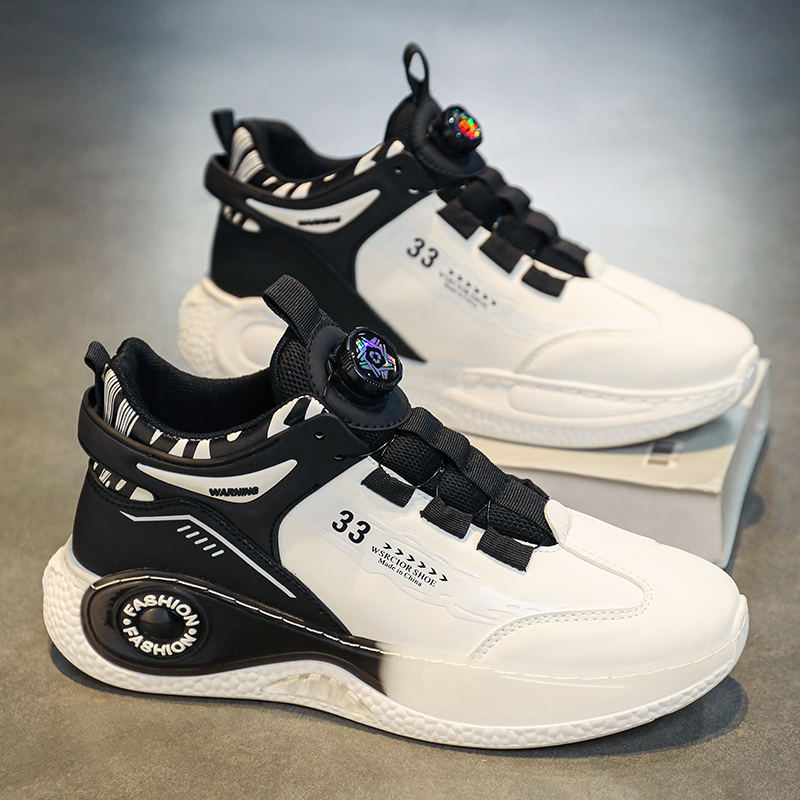
While we navigate the complexities of shipping and logistics, one thing remains certain: you need to be comfortable while you wait. Our top pick for the month is the Mens Sneakers with Rotating Buckle Comfy Non Slip Lace up Durable Shoes for Mens Outdoor Activities. These aren't just shoes; they are built for the durability required for the African terrain. With a unique rotating buckle for a perfect fit and a non-slip sole, they are perfect for those who value quality over gimmicks. Kanemtrade Verified for quality and durability.
The Red Flags: How to Spot a 'Free Delivery' Scam
Not every free delivery offer is a scam, but many are used as bait. Here is how you can tell the difference. First, look at the base price of the item. If a vendor is selling a shirt for 15,000 Naira that you know costs 8,000 Naira elsewhere, the 'free delivery' is just a mask for a 7,000 Naira shipping charge. Second, check the delivery timeline. If 'Free Delivery' means you will receive your item in three weeks without a tracking number, you are being scammed of your time. Third, look for verification. Is the vendor registered? Do they have a physical office or a reputable middleman like Kanemtrade to handle disputes? In the world of Nigerian e-commerce, if an offer looks too good to be true, it usually is.
Trust and Verification: The Kanemtrade Standard
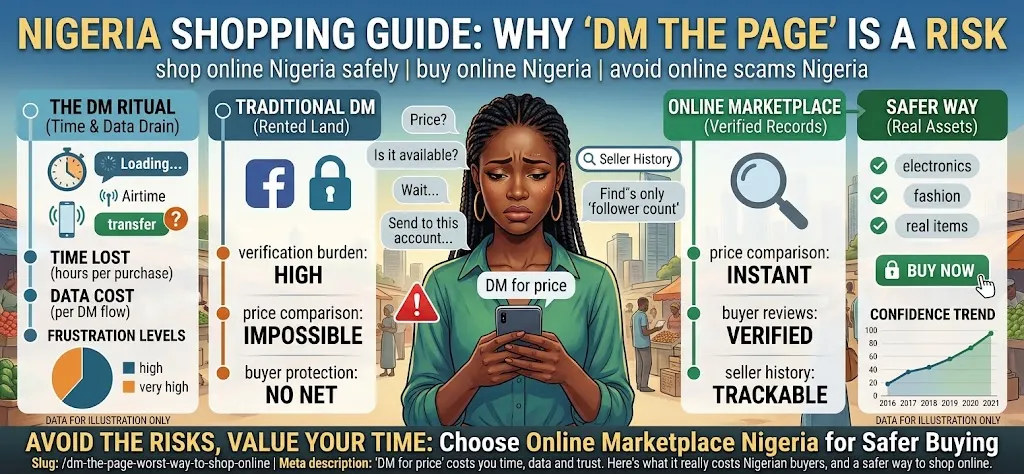
This is where platforms like Kanemtrade come in to bridge the gap. The biggest issue in African e-commerce isn't the lack of products; it is the lack of trust. When you shop through a verified ecosystem, you aren't just looking for the cheapest price; you are looking for a guarantee that your money won't vanish into the thin air of a 'ghost vendor's' DM. Kanemtrade emphasizes transparency. We believe it is better to pay a fair price for logistics and actually receive your item in perfect condition than to be promised 'free' and end up with stories that touch the heart. Trust is the only currency that doesn't devalue, and it is built through honest pricing and verified logistics partners.
The Impact on Small Businesses
We must also look at it from the side of the Nigerian entrepreneur. Many small business owners feel pressured to offer free delivery because 'that is what everyone is doing.' This pressure often leads to business failure. When a small vendor in Yaba tries to compete with a multi-billion dollar corporation by offering free shipping, they burn through their capital. Eventually, they start cutting corners—sending wrong sizes, using inferior materials, or disappearing entirely. When we demand 'free delivery' at all costs, we are sometimes contributing to the death of the very businesses we love. A healthy e-commerce environment is one where the customer pays a fair price for the product and a fair price for the movement of that product.
Conclusion: Value Over 'Freebies'
So, is 'Free Delivery' a scam? In many cases, it is a sophisticated pricing strategy. In the worst cases, it is a lure for sub-standard goods and fraudulent services. As a savvy Nigerian shopper, your goal should be value, not just the lowest price tag. Value means receiving exactly what you ordered, on time, and in good condition. It means shopping from platforms like Kanemtrade where vendors are vetted and your satisfaction is more than just a marketing slogan. Next time you see that 'Free Delivery' banner, don't just celebrate. Ask questions. Compare prices. Check the logistics partner. Because in the end, the most expensive thing you can buy is a 'free' item that never arrives or breaks the moment you put it on. Shop smart, stay verified, and let's build an e-commerce culture in Africa that is based on honesty and real economics, not just flashy tags.





comments (0)
Leave a Comment