 Phones and Accessories
 Computers and Accessories
 Men Clothing & Fashion
 Women Clothing and Fashion
 Home Improvement & Tools
 Jewelry & Accessories
 Health and Beauty
 Skincare
 Photochromic Glasses (Lens)
 Smart watch
 Food and Groceries
 Animals & Pet Supplies
 Apparel & Accessories
 Arts & Entertainment
 Baby & Toddler
 Business & Industrial
 Cameras & Optics
 Electronics
 Food, Beverages & Tobacco
 Furniture
 Hardware
 Health & Beauty
 Home & Garden
 Luggage & Bags
 Mature
 Media
Media Office Supplies
 Religious & Ceremonial
 Software
 Sporting Goods
 Toys & Games
 Vehicles & Parts
Beyond Borders: Why Language is No Longer a Barrier to Trade in Africa
Table of Contents
The Silent Wall: Why We Stopped Talking to Our Neighbors The Tech Revolution: AI as the Universal Interpreter Kanemtrade: Building the Infrastructure of Trust Logistics in Nigeria: Moving Goods Across Dialects The Emotional Connection: Why We Are Winning The Power of Visual Commerce The AfCFTA Factor: A Policy for Unity Conclusion: Your Market is Now the Continent
The Silent Wall: Why We Stopped Talking to Our Neighbors
For decades, a silent wall stood taller than any physical border in Africa. It wasn't made of bricks or barbed wire, but of words—or the lack thereof. An entrepreneur in Lagos, fueled by the relentless Nigerian spirit, would look toward the markets in Cotonou, Abidjan, or Luanda and see immense potential. But then came the hesitation. How do you negotiate a contract when you speak English and your counterpart speaks French, Portuguese, or Wolof? How do you build trust when the nuances of your 'hustle' get lost in translation?
For too long, the linguistic diversity of our continent—boasting over 2,000 distinct languages—was viewed as a liability rather than an asset. It was a barrier to entry that favored large multinationals with deep pockets for translators, leaving the small-scale trader and the visionary SME owner on the sidelines. But that era is officially over. Today, the narrative is shifting. Language is no longer the gatekeeper of African prosperity.
The Tech Revolution: AI as the Universal Interpreter
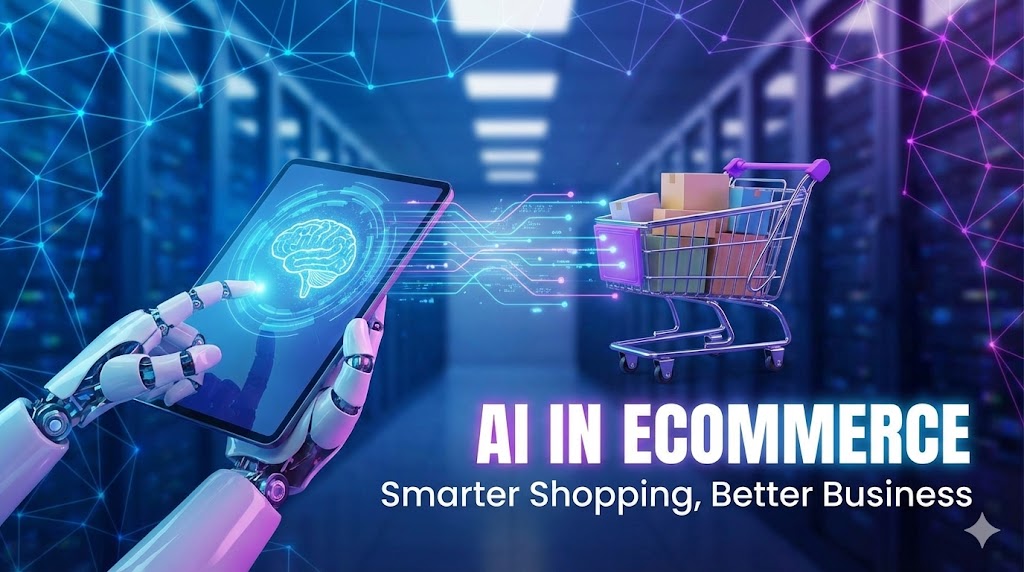
The first major blow to the language barrier came from the palm of our hands. The rapid advancement of Artificial Intelligence and Machine Learning has democratized communication. We are no longer reliant on expensive intermediaries. Today, a merchant in Onitsha can use real-time translation tools to communicate with a supplier in Guangzhou or a buyer in Dakar. These tools have evolved beyond simple word-for-word translation; they now capture intent, tone, and cultural context.
In the world of e-commerce, this means that product descriptions, shipping terms, and negotiation chats are instantly accessible. When you remove the fear of being misunderstood, you remove the fear of doing business. This technological bridge has allowed the African entrepreneur to look beyond their immediate linguistic circle and embrace the entire continent as a single, vibrant marketplace.
The Power of Visual Commerce
We often forget that trade is a visual language. In the digital age, high-quality imagery and video demonstrations speak louder than any dialect. This is where the modern African consumer wins. We are visual storytellers by nature. By focusing on the 'what' and 'how' through visual media, businesses are bypassing the need for complex verbal explanations. A well-produced video showing the durability of a product or the efficiency of a service resonates just as well in Nairobi as it does in Johannesburg.
Editor’s Choice: The Visionary’s Essential GearNavigating the fast-paced world of cross-border trade requires more than just digital tools; it requires physical clarity. For the entrepreneur constantly moving between their screen and the bright African sun, we recommend the Titanium Rimless Glasses Men's Women Photochromic Gray Myopia Lens Outdoor Presbyopia Optics Eyewear. These -125 to -200 prescription-ready sun glasses adapt to your environment, protecting your eyes while you focus on the next big deal. Lightweight, durable, and as versatile as the modern African market, they are the perfect companion for those who see no borders.
Kanemtrade: Building the Infrastructure of Trust
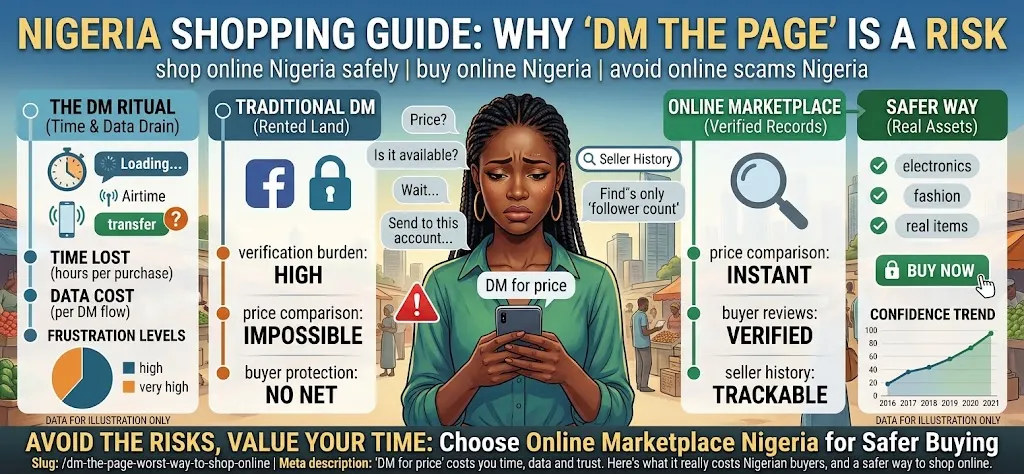
Technology is the tool, but trust is the currency. This is where Kanemtrade steps in to solve the most significant part of the language equation: verification. In the Nigerian context, and indeed across Africa, 'hearing' someone isn't just about understanding their words; it's about knowing they are 'legit.' The language of trust is universal.
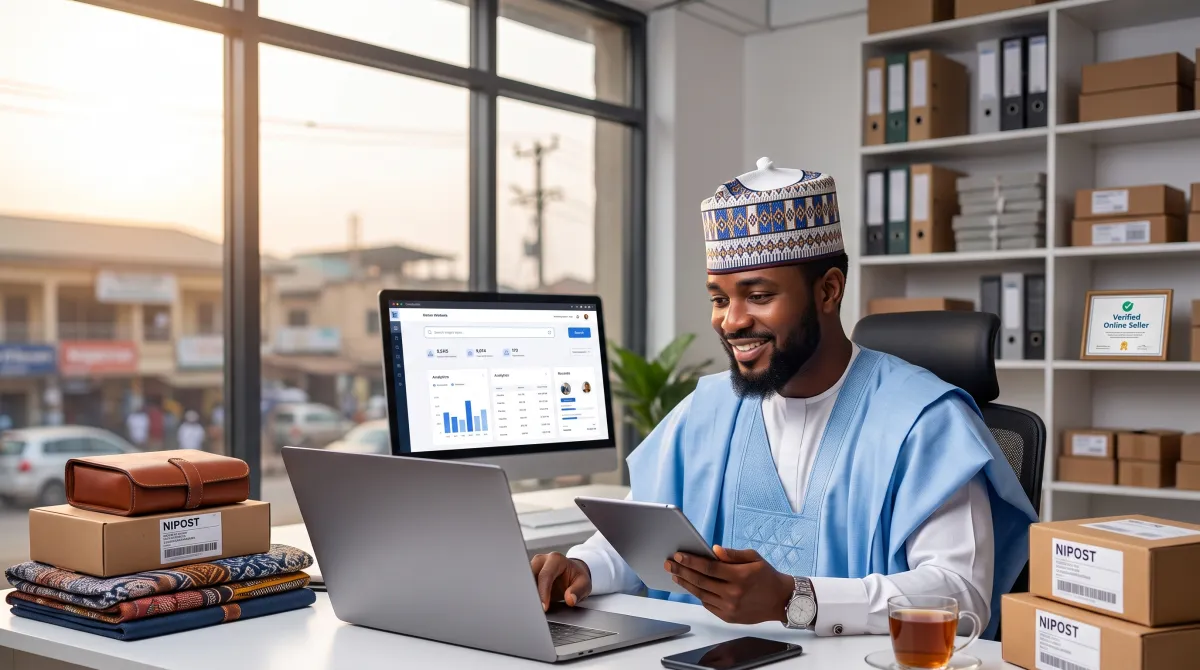
Kanemtrade has built a system where the barrier isn't just about translation, but about validation. By providing a platform where sellers are verified and buyers are protected, the linguistic differences become secondary. When you know that a platform has done the heavy lifting of vetting a supplier in a different region, you don't need to speak their language fluently to do business with them. You speak the language of a secure transaction. This is the bedrock of the new African economy—a system where integrity is the primary dialect.
Logistics in Nigeria: Moving Goods Across Dialects
One of the biggest headaches for any trader has always been the 'last mile.' You might have closed the deal using a translation app, but how do you ensure the driver in a rural outpost understands the delivery instructions? This is where the localization of logistics in Nigeria has become a game-changer. Modern logistics providers are now employing localized tech that uses GPS tagging and simplified, icon-based systems that bypass the need for extensive verbal communication.
Furthermore, the rise of regional hubs has allowed for 'linguistic cushioning.' Goods move from an Anglophone hub to a Francophone one with standardized documentation that follows international codes rather than prose. This systematic approach to logistics ensures that your package arrives in Kano or Port Harcourt with the same precision as if it had been sent from across the street. The 'barriers' are being replaced by 'checkpoints'—efficient, standardized, and language-agnostic.
The AfCFTA Factor: A Policy for Unity
We cannot discuss the crumbling of language barriers without mentioning the African Continental Free Trade Area (AfCFTA). This historic agreement is doing for policy what AI did for communication. By standardizing trade protocols across 54 nations, it creates a 'common language' of trade law. When the rules of the game are the same in Accra as they are in Addis Ababa, the specific language spoken by the traders becomes less of a hurdle and more of a cultural nuance. It provides a legal framework that everyone understands, regardless of their mother tongue.
The Emotional Connection: Why We Are Winning
At the heart of this change is the African spirit—the 'can-do' attitude that refuses to be silenced. We have always been a people of trade. From the ancient trans-Saharan routes to the bustling markets of Ariaria, we have always found a way to connect. The difference now is that the world is finally catching up to our pace.
We are no longer defined by the languages imposed upon us. We are defining ourselves by the value we create and the connections we forge. Whether you are a small business owner in Lagos sourcing materials from overseas or a creator in Kigali selling to the world, the message is clear: Your voice is being heard. The tools are here, the platforms like Kanemtrade are ready, and the logistics are moving.
Conclusion: Your Market is Now the Continent
The 'barrier to entry' was always a mindset. Once we realized that technology could bridge the gap and that trust could be systematized, the walls came tumbling down. The African market is no longer a collection of isolated islands separated by language; it is a vast, interconnected ocean of opportunity.
- Embrace the Tools: Use AI and translation apps to initiate conversations.
- Trust the Process: Use verified platforms like Kanemtrade to ensure your investments are safe.
- Focus on Quality: Let your products speak for themselves through visual excellence.
- Stay Visionary: Keep your eyes on the horizon, because the only limit now is your imagination.
The next time you hesitate to reach out to a potential partner because of a language difference, remember: the barrier is gone. The continent is waiting. It’s time to speak the language of success.







comments (0)
Leave a Comment