
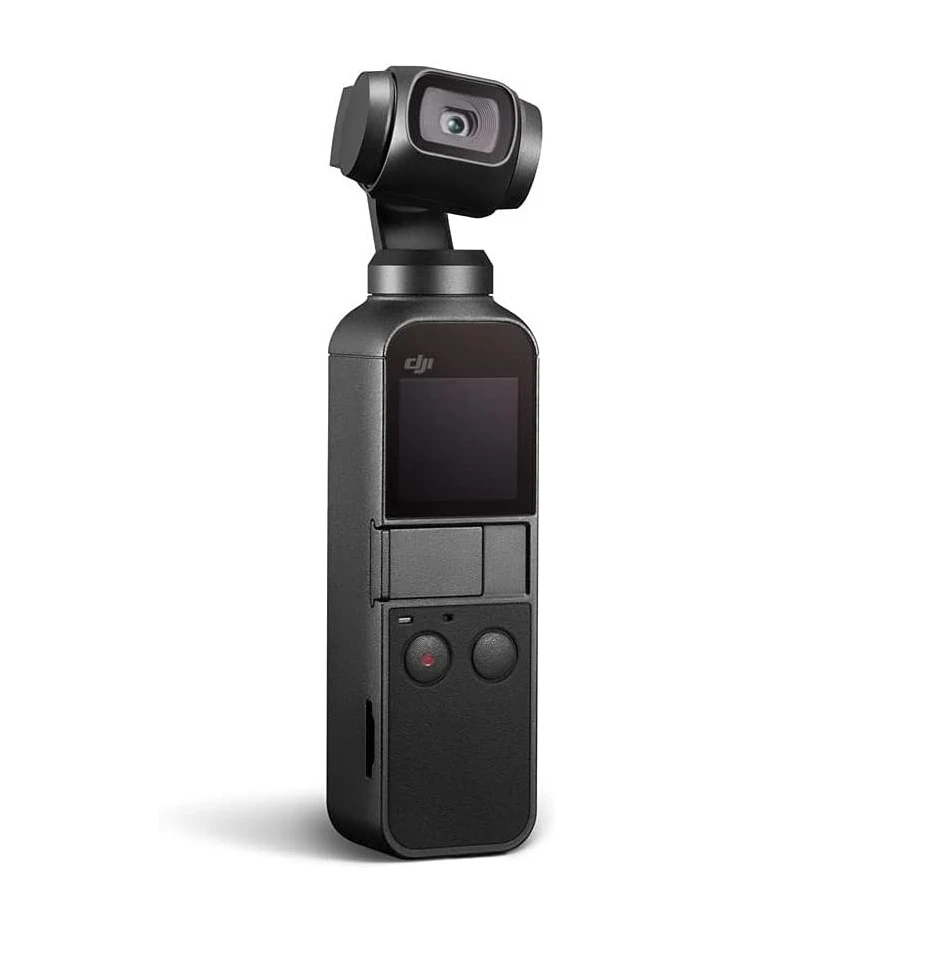
 Phones and Accessories
 Computers and Accessories
 Men Clothing & Fashion
 Women Clothing and Fashion
 Home Improvement & Tools
 Jewelry & Accessories
 Health and Beauty
 Skincare
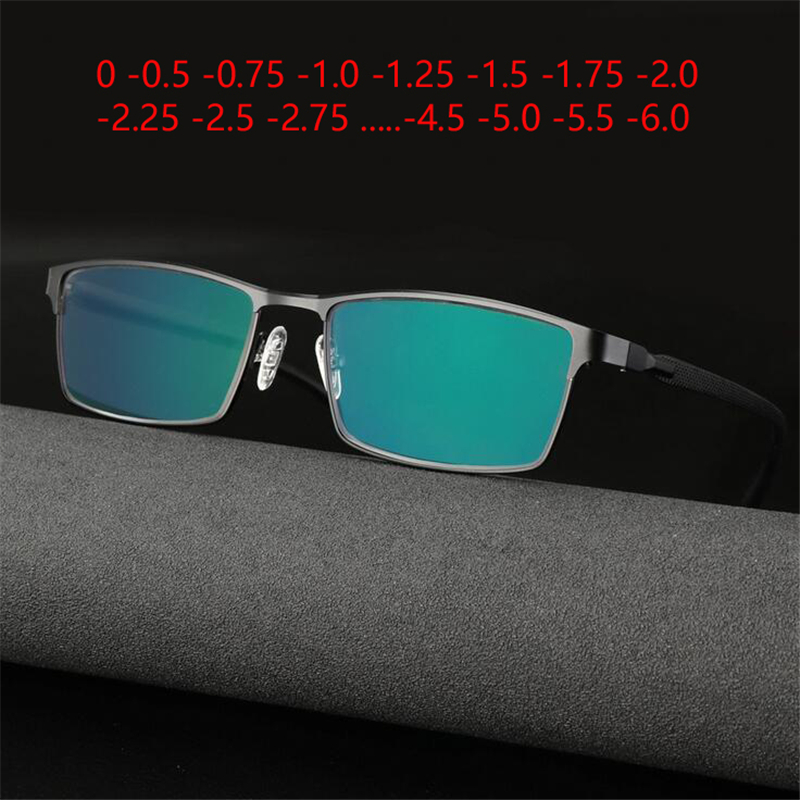 Photochromic Glasses (Lens)
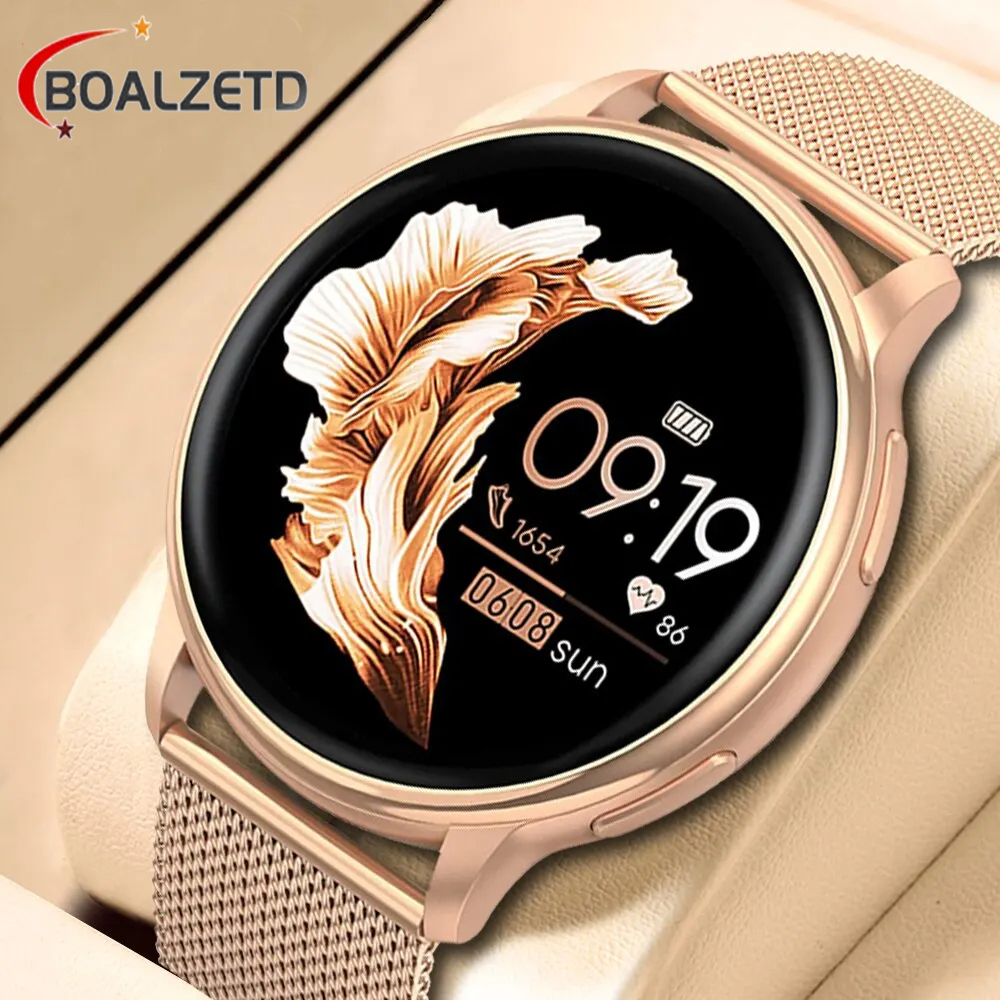 Smart watch
 Food and Groceries
 Animals & Pet Supplies
 Apparel & Accessories
 Arts & Entertainment
 Baby & Toddler
 Business & Industrial
 Cameras & Optics
 Electronics
 Food, Beverages & Tobacco
 Furniture
 Hardware
 Health & Beauty
 Home & Garden
 Luggage & Bags
 Mature
 Media
Media Office Supplies
 Religious & Ceremonial
 Software
 Sporting Goods
 Toys & Games
 Vehicles & Parts
Why 'Customer Feedback' Loops Are 10x Faster with AI: The New Era of Trust in Nigerian E-commerce
Table of Contents
The Heartbeat of the Market: Why We Can’t Wait Anymore The Old Way vs. The AI Way: Closing the Gap Why Speed Equals Trust in African E-commerce Conclusion: The Future is Fast and Verified Real-Time Sentiment Analysis: Understanding the 'Naija' Context Logistics and the 'Last Mile' Feedback The Power of Predictive Feedback
The Heartbeat of the Market: Why We Can’t Wait Anymore
In the bustling markets of Lagos, from Balogun to Alaba, feedback is instant. You touch the fabric, you look the seller in the eye, and you tell them immediately if the price is too high or the quality is 'wash.' But when we moved our commerce online, we lost that heartbeat. For years, Nigerian e-commerce has been plagued by the 'What I ordered vs. What I got' syndrome. You buy something, it takes days to arrive, and if it’s wrong, the feedback loop feels like a marathon in the rain. You send an email, you wait. You call, and the line is busy. This delay doesn't just hurt your pocket; it breaks the trust that is so hard to build in our environment.
However, the tide is turning. Artificial Intelligence (AI) is no longer a buzzword for Silicon Valley; it is the engine driving a revolution in how platforms like Kanemtrade listen to their customers. We are entering an era where customer feedback loops are not just faster—they are instantaneous, predictive, and deeply personal. In a country where time is money and 'wahala' is plenty, AI is the ultimate peace of mind.
The Old Way vs. The AI Way: Closing the Gap
Traditionally, feedback was reactive. A customer would receive a product, find a fault, and then start the long process of complaining. By the time the brand responded, the customer had already told ten friends on Twitter (X) never to buy from them. AI changes this by making feedback proactive. Through Natural Language Processing (NLP), AI can scan thousands of reviews, WhatsApp messages, and social media mentions in seconds. It identifies a trend—say, a specific batch of shoes having a weak sole—long before a human manager would even open the first spreadsheet.
For the Nigerian shopper, this means that if a seller on a marketplace starts slipping in quality, the AI flags it immediately. At Kanemtrade, the focus is on verification. AI helps verify that feedback is genuine, filtering out fake reviews and ensuring that when you see a 5-star rating, it actually means something. This speed is what allows for 'agile commerce'—the ability to pivot and fix problems before they become disasters.
Real-Time Sentiment Analysis: Understanding the 'Naija' Context
One of the biggest hurdles for global AI has always been local context. But modern AI is getting smarter. It now understands the nuances of Nigerian English and local sentiment. When a customer says 'This watch is too much!', the AI knows it’s a compliment, not a complaint about the price. By analyzing the tone of feedback in real-time, e-commerce platforms can prioritize the most frustrated customers first, cooling down tempers before they boil over.
Editor’s Choice: The Pinnacle of Precision
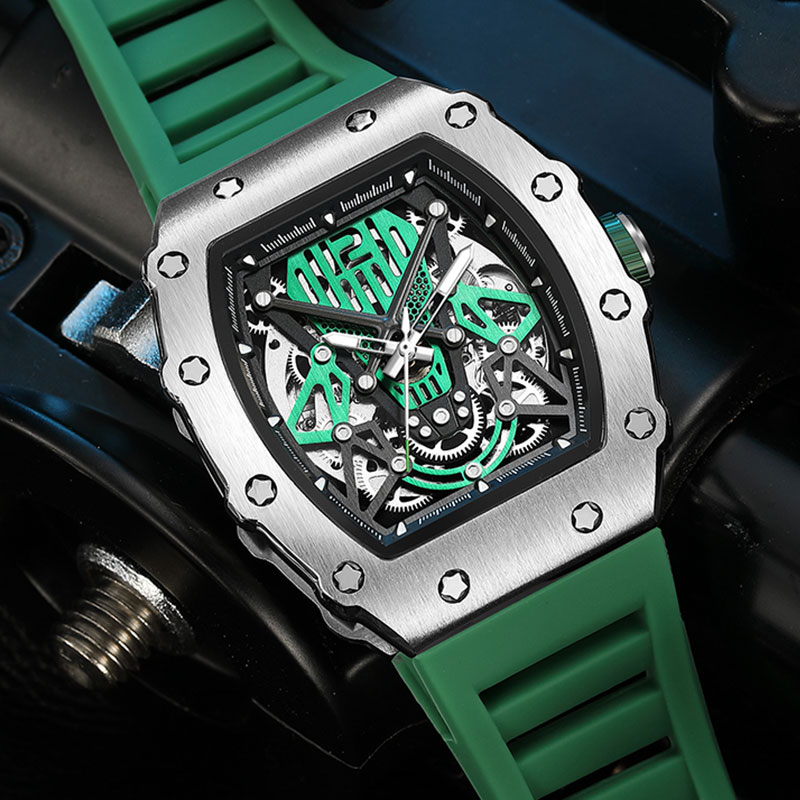
While we talk about the speed of technology, some things remain timeless. If you appreciate the marriage of mechanical complexity and modern aesthetics, the MEGIR & RUIMAS Green Automatic Watch for Men is a standout choice. Featuring a striking tonneau dial and a durable silicone strap, this waterproof mechanical wristwatch is designed for the man who values both fashion and functionality. It’s a testament to the kind of quality that thrives in a high-feedback, high-trust environment like Kanemtrade.
Logistics and the 'Last Mile' Feedback
Logistics in Nigeria is a unique beast. Between 'go-slow' and unpredictable road conditions, the delivery process is often where the feedback loop breaks. AI-powered logistics tracking allows for real-time feedback at every junction. Instead of wondering where your rider is, AI calculates the exact delay and communicates it to you before you have to ask. This proactive communication is a form of feedback that builds immense trust. It says, 'We see you, we know there’s a delay, and we are on it.'
Why Speed Equals Trust in African E-commerce
In Nigeria, we often shop with a bit of a guard up. We’ve been burnt before. Therefore, the speed of a feedback loop is directly proportional to the level of trust a customer has in a brand. If I complain and get a meaningful, AI-assisted resolution in ten minutes, I am five times more likely to shop again than if I had to wait two days for a human response.
Kanemtrade understands that the future of African trade lies in this verification and trust. By using AI to vet sellers and monitor product quality through rapid feedback loops, they are creating a safe haven for shoppers. It’s about creating a system where the 'human' element is supported by 'machine' speed. The AI doesn't replace the customer service agent; it gives that agent the data they need to be a superhero.
The Power of Predictive Feedback
The most advanced stage of the AI feedback loop is predictive. Based on your previous browsing, your complaints, and your praises, AI can predict what you will like next. But more importantly, it can predict if you are likely to be unhappy with a purchase based on your history. If the system knows you are very particular about sizing, it can prompt a 'Double-check your size' message specifically for you before you checkout. This prevents the negative feedback loop from even starting.
Conclusion: The Future is Fast and Verified
The days of shouting into the void of a 'Customer Care' inbox are over. AI is bringing the intimacy of the traditional market square into the digital age, but with the speed of light. For the Nigerian consumer, this means less stress, fewer disappointments, and a shopping experience that feels seen and heard. As platforms like Kanemtrade continue to integrate these technologies, the gap between 'What I ordered' and 'What I got' will finally close for good.
We are not just building faster websites; we are building a more honest ecosystem. And in the end, that is the most valuable commodity in any market—trust.








comments (0)
Leave a Comment