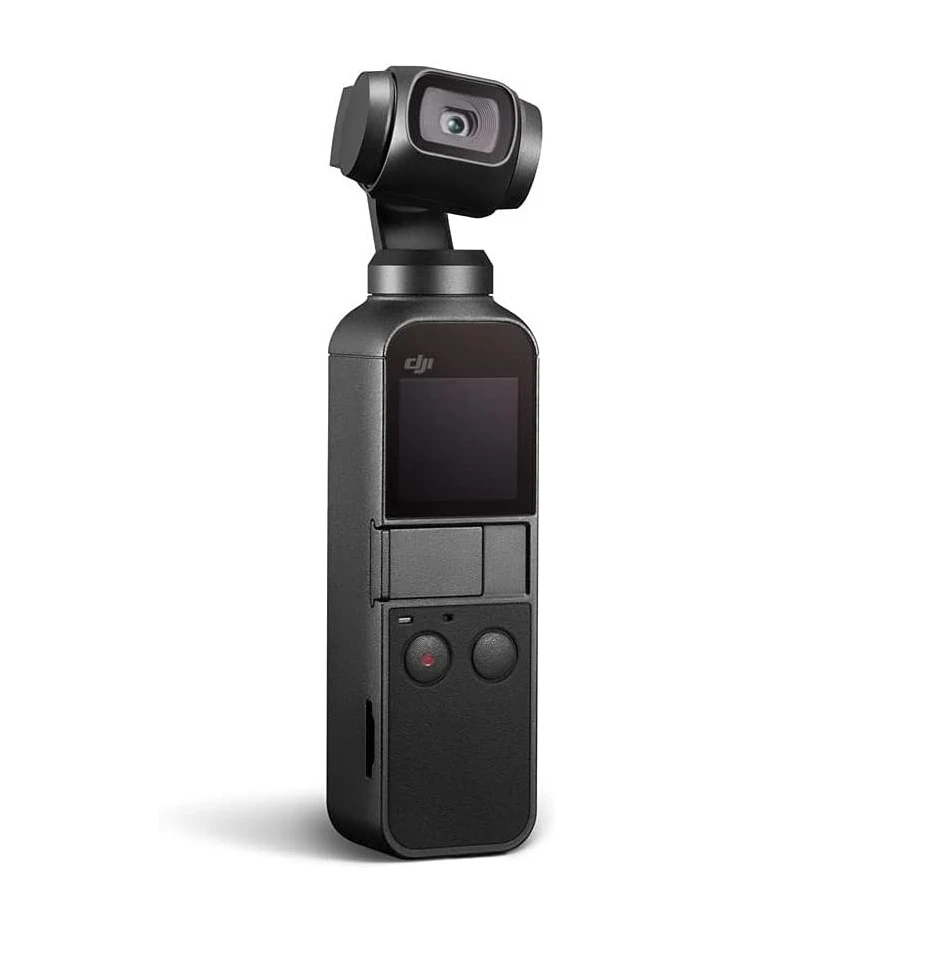
 Phones and Accessories
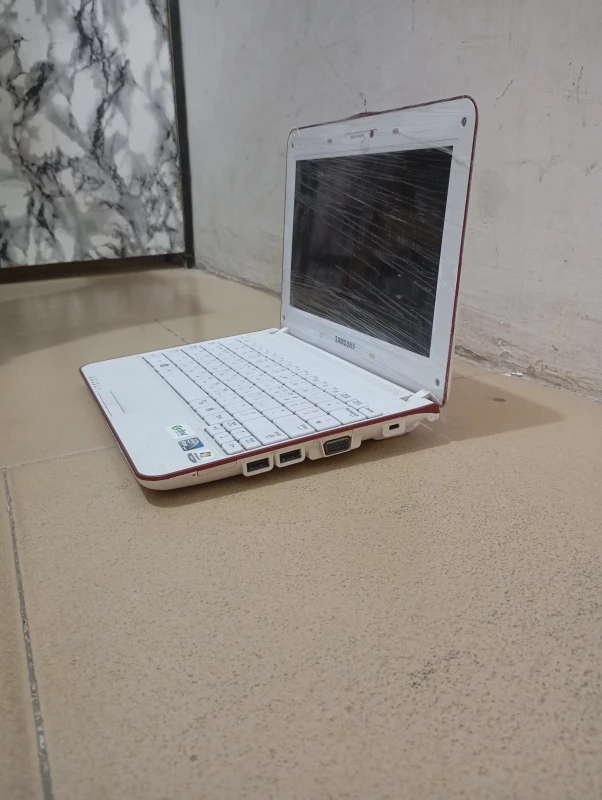 Computers and Accessories
 Men Clothing & Fashion
 Women Clothing and Fashion
 Home Improvement & Tools
 Jewelry & Accessories
 Health and Beauty
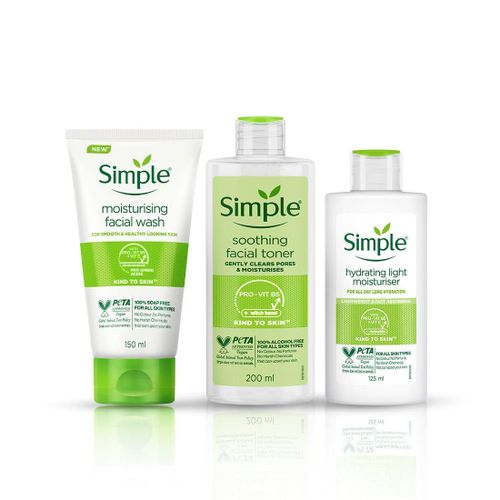 Skincare
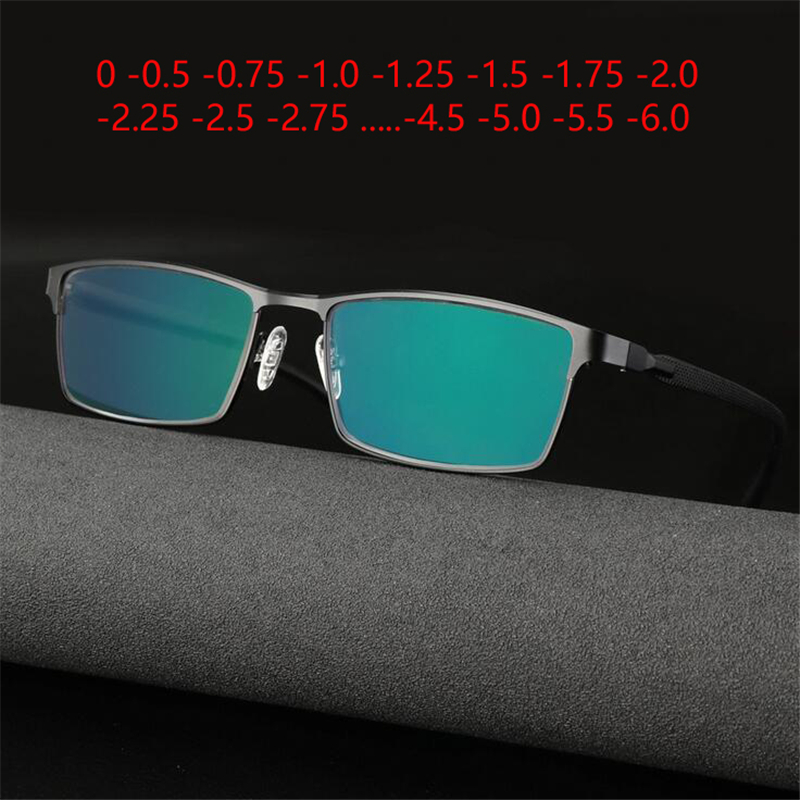 Photochromic Glasses (Lens)
 Smart watch
 Food and Groceries
 Animals & Pet Supplies
 Apparel & Accessories
 Arts & Entertainment
 Baby & Toddler
 Business & Industrial
 Cameras & Optics
 Electronics
 Food, Beverages & Tobacco
 Furniture
 Hardware
 Health & Beauty
 Home & Garden
 Luggage & Bags
 Mature
 Media
Media Office Supplies
 Religious & Ceremonial
 Software
 Sporting Goods
 Toys & Games
 Vehicles & Parts
The 'Original' Lie: Why Social Proof is Easy to Fake and How AI Detects the Real Gems in Nigeria
Table of Contents
The Pain of 'What I Ordered vs. What I Got' The Illusion of Popularity: How Social Proof Became a Commodity Enter the Sheriff: How AI Sees Through the Smoke and Mirrors Kanemtrade: Bridging the Trust Gap in Nigerian Logistics The Future of Shopping is Verified The Anatomy of a Fake Review in Nigeria 1. Metadata and Digital Fingerprints 2. Linguistic Pattern Recognition Editor's Choice: Authenticity You Can Feel 3. Behavioral Analysis Why Real Social Proof Matters for You Key Takeaways for the Smart Shopper:

The Pain of 'What I Ordered vs. What I Got'
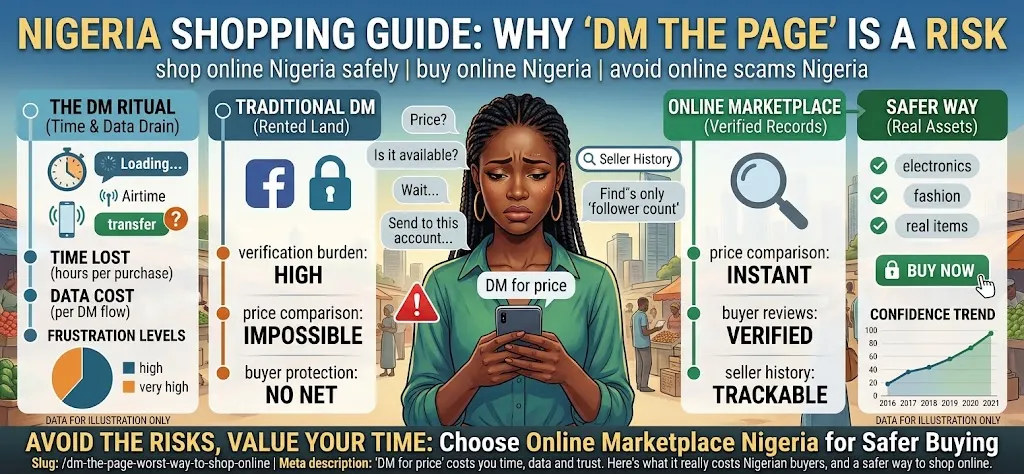
In the vibrant, bustling markets of Lagos, Kano, and Port Harcourt, trust is the ultimate currency. We have all been there—scrolling through Instagram or a flashy website, seeing hundreds of five-star reviews and 'Verified Purchase' badges, only to part with our hard-earned Naira and receive a package that looks nothing like the photo. In Nigeria, the 'What I ordered vs. what I got' phenomenon isn't just a meme; it is a heartbreaking reality that drains the pockets of honest shoppers. We rely on social proof—the likes, the comments, and the testimonials—to feel safe. But what happens when that safety net is made of smoke and mirrors?
The Illusion of Popularity: How Social Proof Became a Commodity
Social proof used to be the gold standard of honesty. When a neighbor told you a tailor was good, you believed them. Today, that recommendation has been digitized and, unfortunately, corrupted. It is now alarmingly easy to buy 10,000 followers for a few thousand Naira or pay 'comment pods' to flood a post with 'Beautiful!' and 'Fast delivery!' emojis. For many shady vendors, faking social proof is cheaper and easier than actually providing a quality product.
They use stolen photos from international brands, photoshop screenshots of fake bank alerts, and create 'customer chats' using two different WhatsApp accounts on the same phone. This creates a digital facade of success that targets our desire for quality. When the stakes are high—especially with logistics in Nigeria being as complex as it is—falling for these fakes doesn't just mean losing money; it means losing time and peace of mind.
The Anatomy of a Fake Review in Nigeria
- The Generic Praise: Reviews that say 'Nice' or 'Good' without mentioning specific details about the product or the delivery experience.
- The Timing Clump: Fifty reviews all posted on the same day within three hours of each other.
- The Stolen Aesthetic: Photos that look like they were taken in a studio in Milan when the vendor is claiming to ship from a warehouse in Onitsha.
- Bot Language: Repetitive phrasing that feels robotic and lacks the unique 'Naija flavor' or emotional nuance of a real local customer.
Enter the Sheriff: How AI Sees Through the Smoke and Mirrors
While humans are easily swayed by high numbers and pretty pictures, Artificial Intelligence is cold, calculated, and incredibly observant. At Kanemtrade, we understand that the future of e-commerce in Africa depends on verification. AI is now the ultimate tool in separating the 'Original' from the 'Fade.' Here is how the technology is changing the game:
1. Metadata and Digital Fingerprints
Every digital image has a 'DNA' called metadata. AI can scan a photo of a product and instantly tell if it was taken by the vendor or if it was pulled from a Google Image search from five years ago. If a vendor claims a photo is 'live in my store' but the metadata says it was edited in a foreign country last year, the AI flags it immediately.
2. Linguistic Pattern Recognition
AI models are trained to recognize the difference between a bot and a human. Real Nigerian customers have a specific way of expressing satisfaction—they might mention the logistics, the 'Oga' who delivered it, or use specific local slang. AI can detect if one person has written 50 reviews using slightly different names by analyzing syntax, punctuation habits, and vocabulary breadth. It spots the 'unnatural' consistency that fakers always leave behind.
Editor's Choice: Authenticity You Can Feel
Before we dive deeper into the tech, if you are looking for a product that actually lives up to its 'Social Proof,' check out the Classic High-End Leather Mesh Breathable Casual Shoes for Men And Women. These trendy home shoes are the perfect blend of comfortable summer footwear and high-end aesthetics. Whether you are navigating the streets of Abuja or relaxing at home, these shoes offer the breathability your feet crave in the Nigerian heat. Verified by our internal quality checks, they are exactly what they claim to be.
3. Behavioral Analysis
AI doesn't just look at what is said; it looks at how the account behaves. A real customer browses, asks questions, and then leaves a review. A 'fake' review often comes from an account that has no browsing history, no profile picture, and only exists to leave five-star ratings. AI tracks these 'ghost' accounts and eliminates their influence on the overall score.
Kanemtrade: Bridging the Trust Gap in Nigerian Logistics
Trust isn't just about the product; it’s about the journey from the warehouse to your doorstep. In Nigeria, logistics is often the biggest hurdle. You can have the best shoes in the world, but if the delivery system is broken, the social proof means nothing. Kanemtrade focuses on verification at every step. We don't just rely on what vendors say; we use tech-driven tracking and real-world data to ensure that when a customer says 'Delivery was fast,' it is backed by a timestamp and a GPS coordinate.
Why Real Social Proof Matters for You
When you shop on a platform that uses AI to filter out the noise, you aren't just buying an item; you are buying certainty. You are ensuring that your money stays within an ecosystem that rewards honesty and punishes fraud. Authentic social proof tells you about the fit, the durability of the leather, and how the mesh feels against your skin during a humid Lagos afternoon. It gives you the confidence to click 'Buy Now' without that nagging fear in the back of your mind.
The Future of Shopping is Verified
The era of being 'scammed' by shiny buttons and fake likes is coming to an end. As AI becomes more integrated into African e-commerce, the 'Original' will finally stand out from the 'Replica.' We are moving toward a marketplace where trust is automated and verification is mandatory. For the Nigerian shopper, this means more value for every Naira spent.
Next time you see a deal that looks too good to be true, remember that the numbers can lie, but the patterns don't. Stick with platforms like Kanemtrade that prioritize the truth, and always look for that deeper level of verification that only technology can provide. Your wardrobe—and your bank account—will thank you.
Key Takeaways for the Smart Shopper:
- Don't trust the count: 100 fake reviews are worth less than 2 detailed, verified ones.
- Look for 'Live' photos: Real customers take photos in real Nigerian settings, not just white backgrounds.
- Value Transparency: Choose platforms that are open about their verification processes and logistics partners.









comments (0)
Leave a Comment