
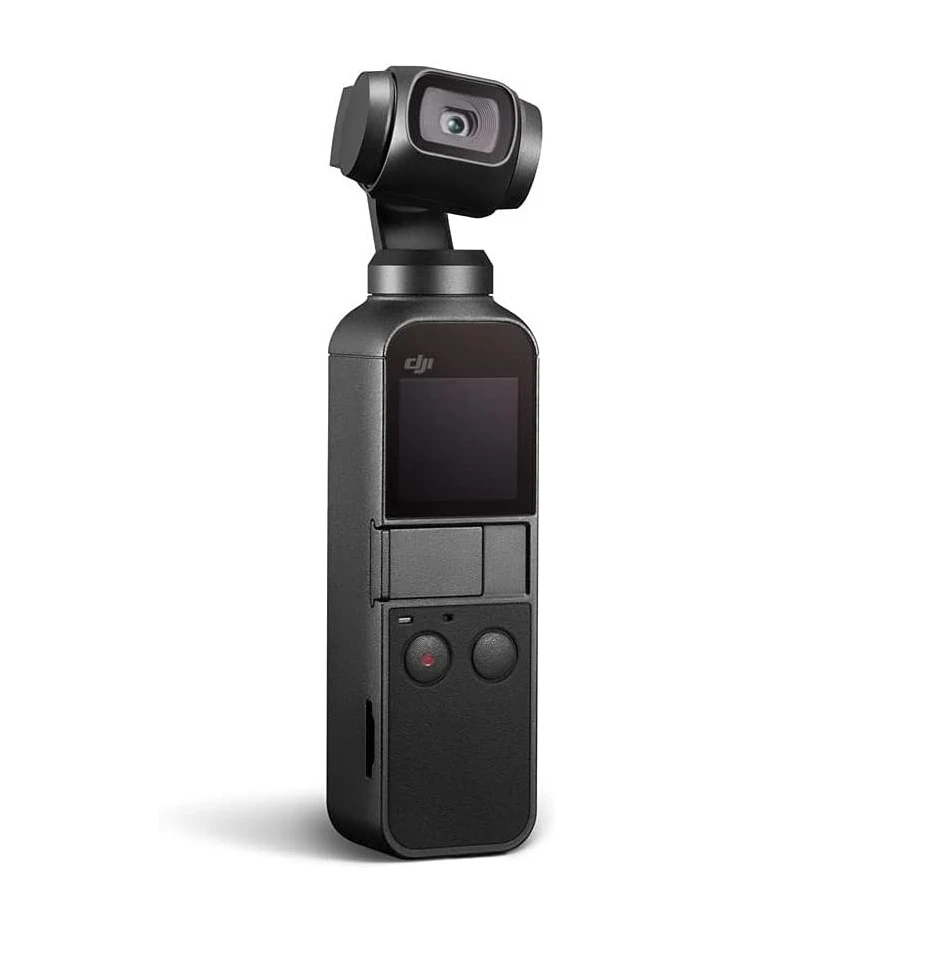
 Phones and Accessories
 Computers and Accessories
 Men Clothing & Fashion
 Women Clothing and Fashion
 Home Improvement & Tools
 Jewelry & Accessories
 Health and Beauty
 Skincare
 Photochromic Glasses (Lens)
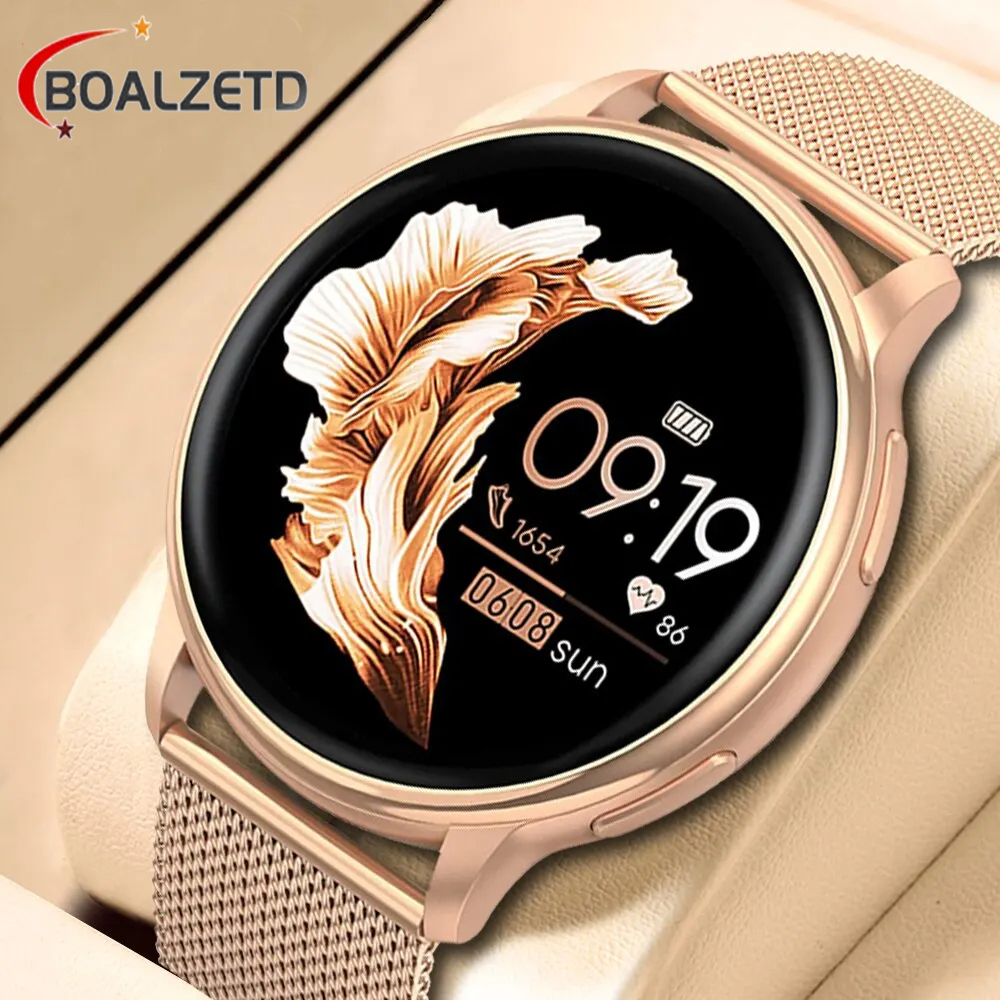 Smart watch
 Food and Groceries
 Animals & Pet Supplies
 Apparel & Accessories
 Arts & Entertainment
 Baby & Toddler
 Business & Industrial
 Cameras & Optics
 Electronics
 Food, Beverages & Tobacco
 Furniture
 Hardware
 Health & Beauty
 Home & Garden
 Luggage & Bags
 Mature
 Media
Media Office Supplies
 Religious & Ceremonial
 Software
 Sporting Goods
 Toys & Games
 Vehicles & Parts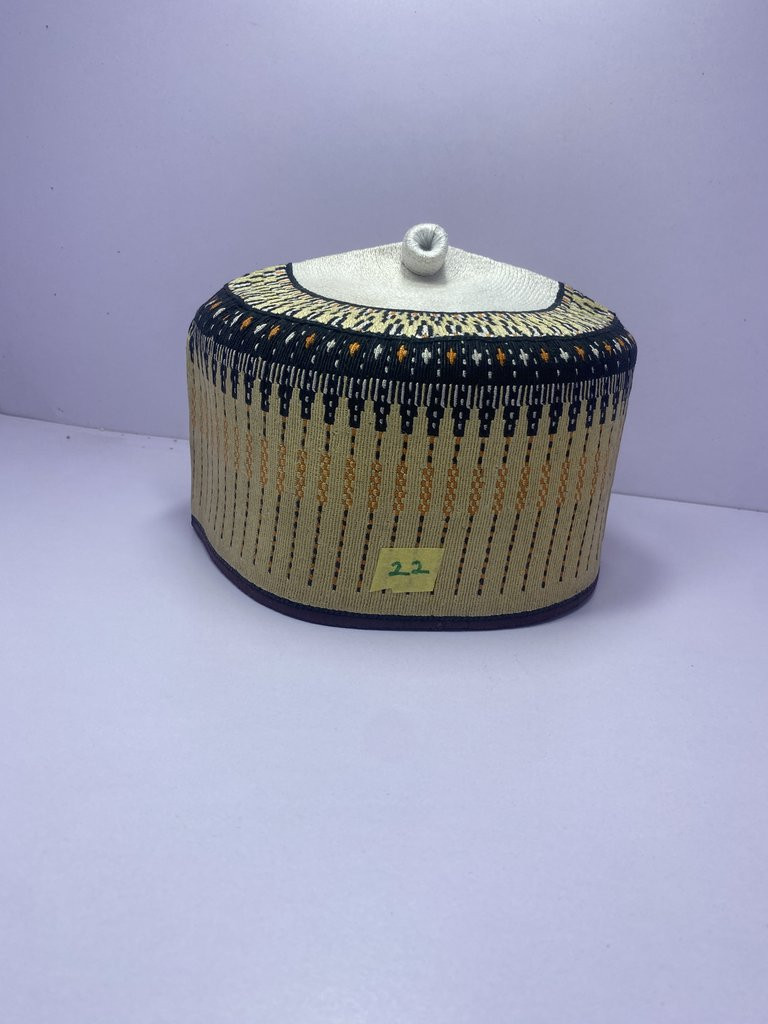
From Window Shopping to 'Order Confirmed': How AI Decodes Search Intent for Nigerian E-commerce
Table of Contents
The Digital Market Square: Understanding the 'Just Looking' Mindset What Exactly is Search Intent? The Nigerian Context: Why AI Must Account for Trust and Logistics How AI 'Reads' the Mind of the Shopper Bridging the Gap: Content Strategies for Every Stage Conclusion: The Future is Intent-Driven 1. Informational Intent: The 'I Want to Know' Phase 2. Navigational Intent: The 'I Know Where I am Going' Phase 3. Commercial Investigation: The 'I am Comparing' Phase 4. Transactional Intent: The 'Take My Money' Phase
The Digital Market Square: Understanding the 'Just Looking' Mindset
Imagine walking through the bustling lanes of Balogun Market or the tech-heavy corridors of Computer Village in Ikeja. You see hundreds of faces. Some people are walking with purpose, money clutched in their hands, eyes scanning for a specific shop. Others are simply strolling, touching fabrics, asking 'how much?' with no real intention of opening their wallets today. In the physical world, a seasoned Nigerian vendor can spot the difference from a mile away. They know who is a 'serious buyer' and who is just 'doing window shopping.'
But what happens when the market moves online? When your storefront is a screen and your customers are data points? This is where the 'Search Intent' Decoder comes in. In the rapidly evolving landscape of African e-commerce, Artificial Intelligence (AI) has become the new 'Oga' at the shop, silently observing clicks, scrolls, and queries to determine if a user is just browsing to kill time or ready to hit that 'Checkout' button. For the Nigerian entrepreneur, understanding this AI-driven decoding isn't just a technical advantage—it is the difference between wasting marketing Naira and scaling a profitable empire.
What Exactly is Search Intent?
At its core, search intent is the 'why' behind a search query. Why did that customer type 'best affordable phones' instead of 'buy iPhone 15 Pro Max Lagos'? AI doesn't just look at the keywords; it looks at the context. In the world of SEO and E-commerce, we generally categorize intent into four buckets: Informational, Navigational, Commercial, and Transactional.
1. Informational Intent: The 'I Want to Know' Phase
This is the browsing stage. In Nigeria, this often looks like someone researching 'how to start a photography business' or 'benefits of using drones for farm mapping.' The user isn't looking to spend money yet; they are looking for value. AI detects this by the length of time spent reading articles and the types of questions asked. If your content provides the answers, you build trust, which is the most expensive currency in Nigerian business.
2. Navigational Intent: The 'I Know Where I am Going' Phase
The user wants a specific website. They type 'Kanemtrade login' or 'Kanemtrade track order.' They already know the brand; they just need the door opened for them. AI recognizes this by the brand-specific keywords used.
3. Commercial Investigation: The 'I am Comparing' Phase
This is where the heart starts beating faster for sellers. The user knows they want a product, but they are looking for the best deal, the most reliable vendor, or the best specs. They search for 'top 10 drones in Nigeria 2024' or 'Kanemtrade vs other platforms.' They are looking for verification and social proof.
4. Transactional Intent: The 'Take My Money' Phase
This is the holy grail. The search is specific: 'price of E88 drone in Naira' or 'order drone with 4K camera today.' The intent is clear—they have their card ready, or they are looking for that 'Pay on Delivery' option that gives them peace of mind.
The Nigerian Context: Why AI Must Account for Trust and Logistics
In Europe or America, search intent is often a straight line. In Nigeria, it is a curve. Because of the history of 'what I ordered vs. what I got,' the Nigerian shopper’s intent is heavily tied to trust. AI decoders now look for signals that a customer is looking for 'verified' badges. This is why platforms like Kanemtrade are revolutionizing the space. By providing a layer of verification and reliable logistics in Nigeria, they satisfy the 'hidden intent' of every Nigerian shopper: the need for security.
When a customer searches for a product on a platform that handles the 'wahala' of delivery and the fear of scams, their intent shifts from 'cautious browsing' to 'confident buying' much faster. AI recognizes this shift when it sees users filtering by 'Verified Seller' or 'Fast Shipping'—behaviors that are particularly prominent in the African market where the 'last mile' of logistics is often the biggest hurdle.
Editor’s Choice: For the Tech-Ready Explorer
If your search intent has moved from 'how do drones work' to 'I need a reliable starter drone,' we recommend the New E88 Drone Remote Control with Screen 4K Dual Camera Optical Flow Localization 2.4G RC Quadcopter One-button Take-off Drones. It is the perfect balance of professional features and beginner-friendly controls, making it a top pick for those ready to transition from browsing to owning. Whether for photography or just for the thrill of flight, it represents the quality and verification that modern Nigerian shoppers demand.
How AI 'Reads' the Mind of the Shopper
How does the machine actually know? It isn't juju; it's data. AI models analyze thousands of micro-behaviors. For instance, a user who scrolls quickly through a blog post but pauses on the 'Price' section of a product page is showing high transactional intent. Someone who watches a full 5-minute video on 'How to Calibrate a Drone' is in the deep informational phase.
AI also considers 'Seasonal Intent.' In Nigeria, intent shifts during 'Ember' months or before major holidays like Sallah and Christmas. AI knows that a search for 'hampers' in December is highly transactional, whereas the same search in June might just be a student doing research. By tailoring your e-commerce strategy to these shifts, you ensure your products appear exactly when the 'buying' fever hits.
Bridging the Gap: Content Strategies for Every Stage
To win in the Nigerian e-commerce space, you cannot treat every visitor the same. Your website and social media must speak to every level of intent:
- For the Browsers: Write educational blog posts. Don't sell yet. Tell them why they need a certain technology. Use relatable stories about how these products solve everyday Nigerian problems.
- For the Researchers: Provide comparison charts. Highlight your Kanemtrade verification. Show them testimonials from real people in Lagos, Port Harcourt, or Kano who have used your service.
- For the Buyers: Make the 'Buy Now' button impossible to miss. Be transparent about logistics and shipping costs. Ensure your checkout process is as smooth as a fresh bowl of pounded yam.
Conclusion: The Future is Intent-Driven
The 'Search Intent' Decoder is not just a tool for big tech companies; it is a philosophy for every Nigerian business owner. By understanding that every search is a cry for either information or a solution, you can position your brand as a helpful guide rather than a pushy salesman. Trust is built in the informational stage, and harvests are reaped in the transactional stage.
As AI continues to get smarter, the platforms that thrive will be those that prioritize the user's psychological journey. Platforms like Kanemtrade are leading the way by ensuring that once the AI decodes a 'Buying' intent, the infrastructure of trust and logistics is there to catch them. Are you ready to stop guessing and start decoding? The Nigerian digital market is waiting, and the intent has never been clearer.










comments (0)
Leave a Comment