 Phones and Accessories
 Computers and Accessories
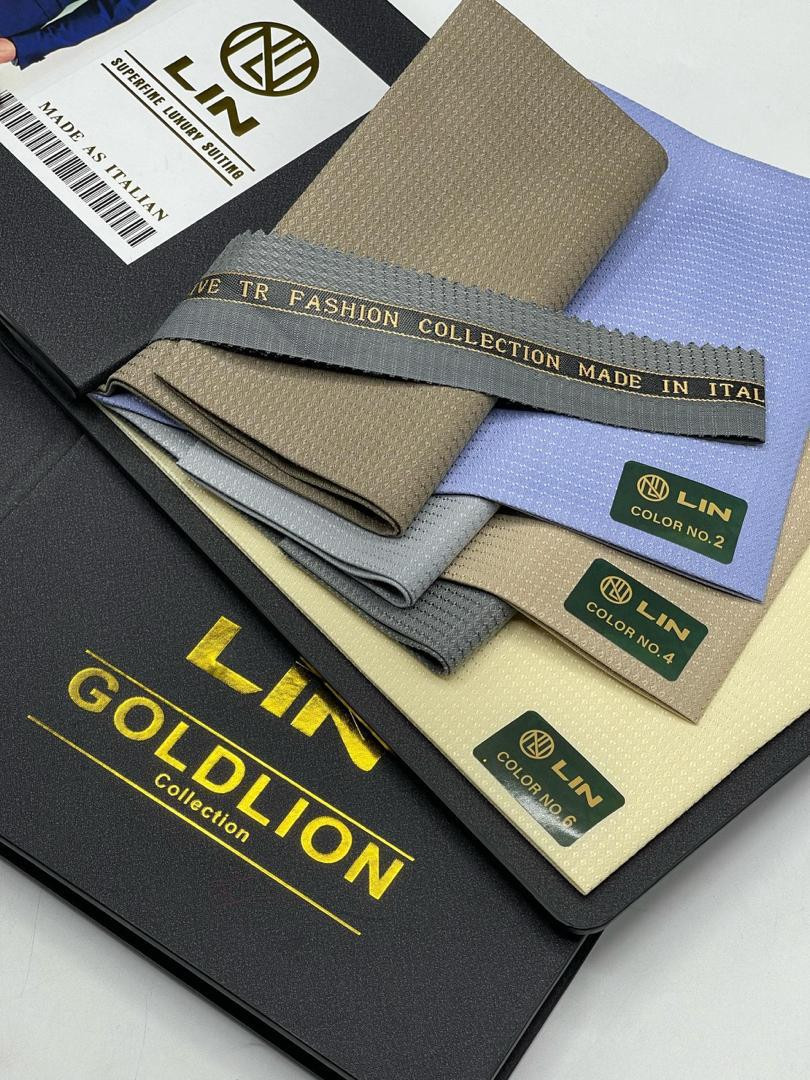 Men Clothing & Fashion
 Women Clothing and Fashion
 Home Improvement & Tools
 Jewelry & Accessories
 Health and Beauty
 Skincare
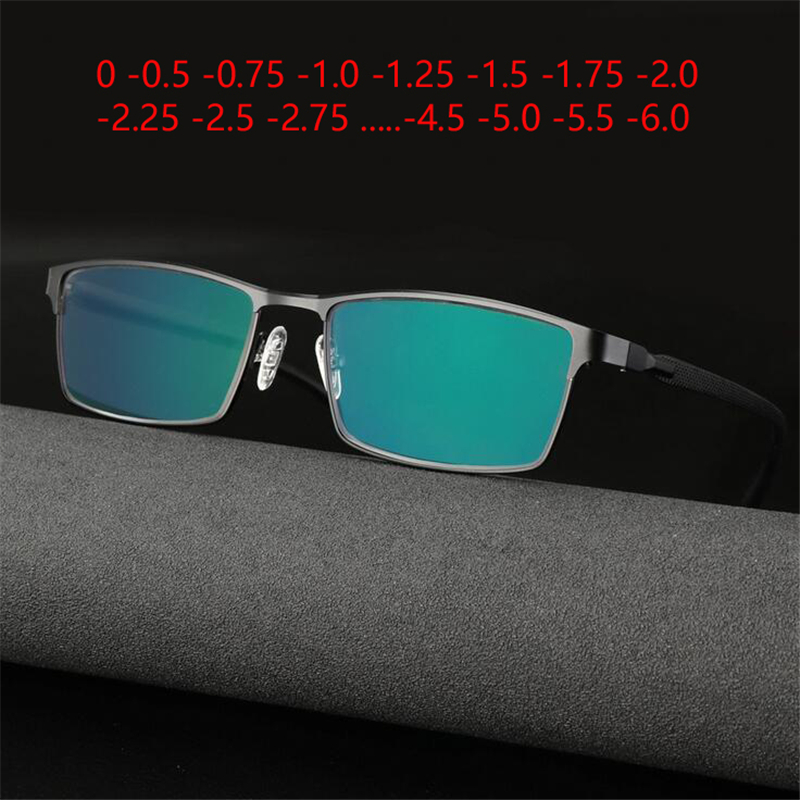 Photochromic Glasses (Lens)
 Smart watch
 Food and Groceries
 Animals & Pet Supplies
 Apparel & Accessories
 Arts & Entertainment
 Baby & Toddler
 Business & Industrial
 Cameras & Optics
 Electronics
 Food, Beverages & Tobacco
 Furniture
 Hardware
 Health & Beauty
 Home & Garden
 Luggage & Bags
 Mature
 Media
Media Office Supplies
 Religious & Ceremonial
 Software
 Sporting Goods
 Toys & Games
 Vehicles & Parts
From Greenwashing to Ground Truth: How AI is Changing the Way Nigerians Trust Sustainable Brands
Table of Contents
The Great Nigerian Trust Deficit What Exactly is AI Supply Chain Tracking? Why This Matters for Nigerian Logistics Building Trust Through Data, Not Just Adverts The Role of Kanemtrade in the New Economy Final Thoughts: Choosing Truth Over Trends The End of 'Greenwashing' Editor's Choice: The Minimalist Standard The Emotional Connection to the Land
The Great Nigerian Trust Deficit
In the bustling heart of Lagos, from the stalls of Balogun to the high-end boutiques in Lekki, there is a word that is becoming increasingly common: Sustainability. We see it on tags, we hear it in marketing jingles, and we read it on the packaging of our favorite products. But as Nigerians, we are naturally skeptical. We have seen 'original' leather that peels after one rainy season and 'eco-friendly' plastics that clog our gutters just as badly as the rest. For a long time, 'sustainability' felt like a foreign concept—a buzzword used by big corporations to charge us more for the same old quality.
The problem is not that we don't care about the environment; it is that we have been burned by broken promises. In a market where logistics can be unpredictable and the supply chain often feels like a black box, verifying a claim is nearly impossible for the average shopper. This is where the marriage of Artificial Intelligence (AI) and supply chain tracking is stepping in to change the game, turning vague promises into hard, verifiable facts that even the most cynical shopper can trust.
What Exactly is AI Supply Chain Tracking?
To understand why this matters for Nigeria, we first need to understand what AI tracking actually does. Imagine a digital eye that follows a product from the moment the raw materials are harvested to the moment it arrives at a Kanemtrade warehouse. Unlike traditional tracking, which relies on humans manually entering data into a spreadsheet (and we all know how easily 'mistakes' can happen there), AI uses a combination of sensors, satellite imagery, and blockchain technology to record every movement.
When a brand claims their shoes are made from ethically sourced materials, AI doesn't just take their word for it. It analyzes the data from the factory, monitors the energy consumption of the machines, and cross-references shipping manifests to ensure that nothing has been swapped out for a cheaper, less sustainable alternative during transit. This level of transparency is exactly what the Nigerian market has been missing.
The End of 'Greenwashing'
Greenwashing is the practice of making a product appear more environmentally friendly than it actually is. In our local context, this often looks like a brand claiming their packaging is biodegradable when it actually requires industrial facilities we don't have access to in most Nigerian cities. AI tracking exposes these exaggerations. By mapping out the entire lifecycle of a product, AI identifies where a brand is being honest and where they are just using 'green' as a marketing gimmick.
Editor's Choice: The Minimalist Standard
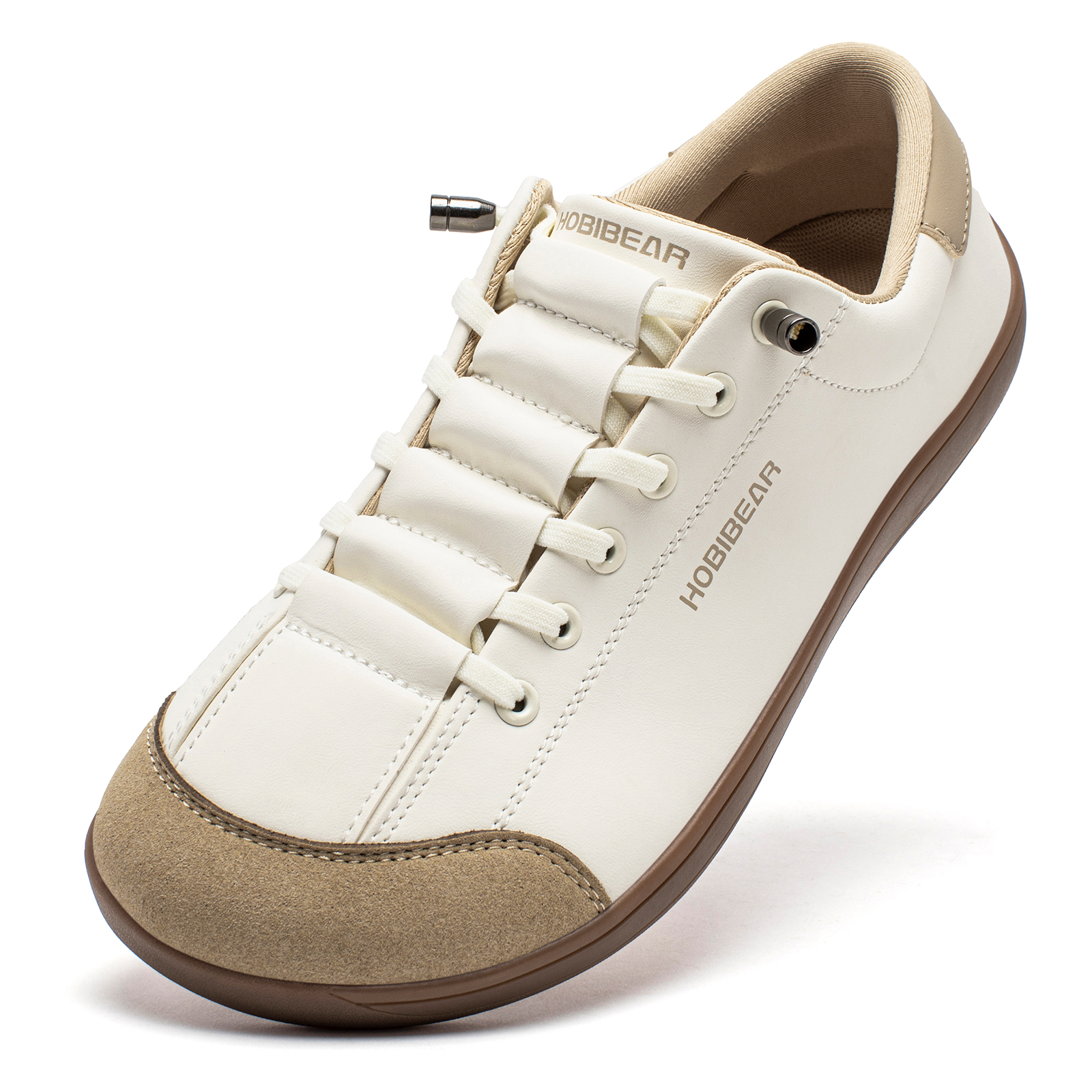
While we discuss the importance of verification, it is essential to highlight products that align with the values of durability and thoughtful manufacturing. The HOBIBEAR Unisex Barefoot Wide Toe Shoes represent a shift toward minimalist design and practical utility. These Artificial Leather Minimalist Sneakers are designed with a wide toe box to mimic natural movement, offering an adjustable slip-on fit that suits the active lifestyle of a Nigerian professional. While the focus remains on supply chain honesty, choosing products that prioritize longevity and foot health is a step toward a more sustainable personal wardrobe.
Why This Matters for Nigerian Logistics
Logistics in Nigeria is a unique beast. From the congestion at the Apapa ports to the 'last-mile' delivery challenges in remote areas, getting a product from Point A to Point B is a feat of strength. Historically, this complexity has allowed for a lack of accountability. A product might leave a sustainable factory in Asia or Europe, but by the time it passes through various middlemen and warehouses, is it still the same product? Or has it been replaced by a counterfeit?
Kanemtrade and other forward-thinking e-commerce platforms are beginning to lean on AI to solve this. By integrating AI tracking into the local logistics network, we can verify that the 'sustainable' item you ordered is exactly what arrived at your doorstep. This isn't just about the environment; it is about Value for Money. In a country where every Naira counts, being able to verify that you are getting the quality you paid for is an emotional relief as much as it is a financial one.
Building Trust Through Data, Not Just Adverts
The Nigerian spirit is one of resilience and hard work. We value authenticity because we know how hard it is to build something real. When a brand uses AI to track their supply chain, they are essentially saying to the Nigerian consumer: 'You don't have to trust my words; you can trust the data.'
- Real-time Verification: Knowing exactly where your product was made and under what conditions.
- Reduced Waste: AI optimizes routes, meaning less fuel is wasted in the Nigerian traffic gridlock, further supporting sustainability goals.
- Counterfeit Protection: Ensuring that the 'eco-friendly' materials haven't been swapped for cheap generics during the long journey to your home.
The Emotional Connection to the Land
We often forget that sustainability isn't a 'new' Western idea. Our parents and grandparents lived sustainably by necessity—reusing containers, repairing shoes until they couldn't be fixed anymore, and respecting the land that fed them. AI supply chain tracking is simply a modern tool to help us return to those values of integrity and quality. It allows us to support brands that treat their workers fairly and treat the earth with respect, which is something every Nigerian can get behind.
The Role of Kanemtrade in the New Economy
As we move forward, platforms like Kanemtrade act as the bridge between global innovation and local reliability. By curating products and ensuring that supply chain claims are not just empty words, they are helping to build a new standard for e-commerce in Africa. The goal is a future where you can shop online from your phone in Enugu, Kano, or Port Harcourt and know, without a shadow of a doubt, that the 'sustainable' tag on your new pair of shoes is a badge of honor, not a lie.
Final Thoughts: Choosing Truth Over Trends
Sustainability should not be a luxury reserved for the elite. It should be a standard that every Nigerian consumer can access. AI supply chain tracking is the technology that will finally make this possible. It removes the guesswork, silences the skeptics, and ensures that when we spend our hard-earned money, we are investing in a future that is as durable and authentic as we are.
Next time you see a product claiming to be 'green' or 'ethically made,' look for the proof. Demand the data. Because in the new age of Nigerian e-commerce, the truth is no longer hidden in the shadows—it is tracked, verified, and delivered right to your door.





comments (0)
Leave a Comment