
 Phones and Accessories
 Computers and Accessories
 Men Clothing & Fashion
 Women Clothing and Fashion
 Home Improvement & Tools
 Jewelry & Accessories
 Health and Beauty
 Skincare
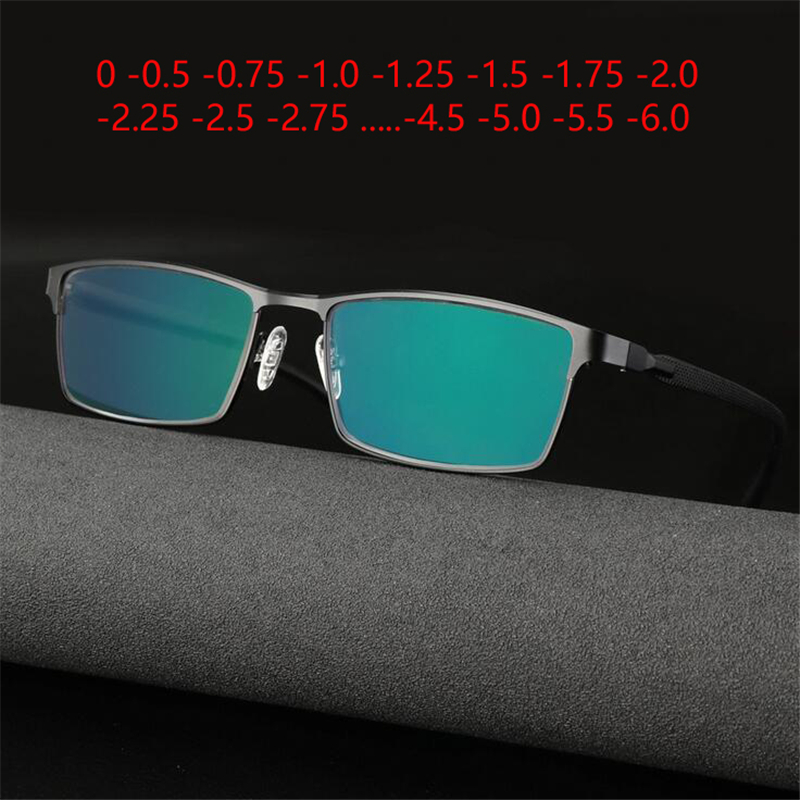 Photochromic Glasses (Lens)
 Smart watch
 Food and Groceries
 Animals & Pet Supplies
 Apparel & Accessories
 Arts & Entertainment
 Baby & Toddler
 Business & Industrial
 Cameras & Optics
 Electronics
 Food, Beverages & Tobacco
 Furniture
 Hardware
 Health & Beauty
 Home & Garden
 Luggage & Bags
 Mature
 Media
Media Office Supplies
 Religious & Ceremonial
 Software
 Sporting Goods
 Toys & Games
 Vehicles & Parts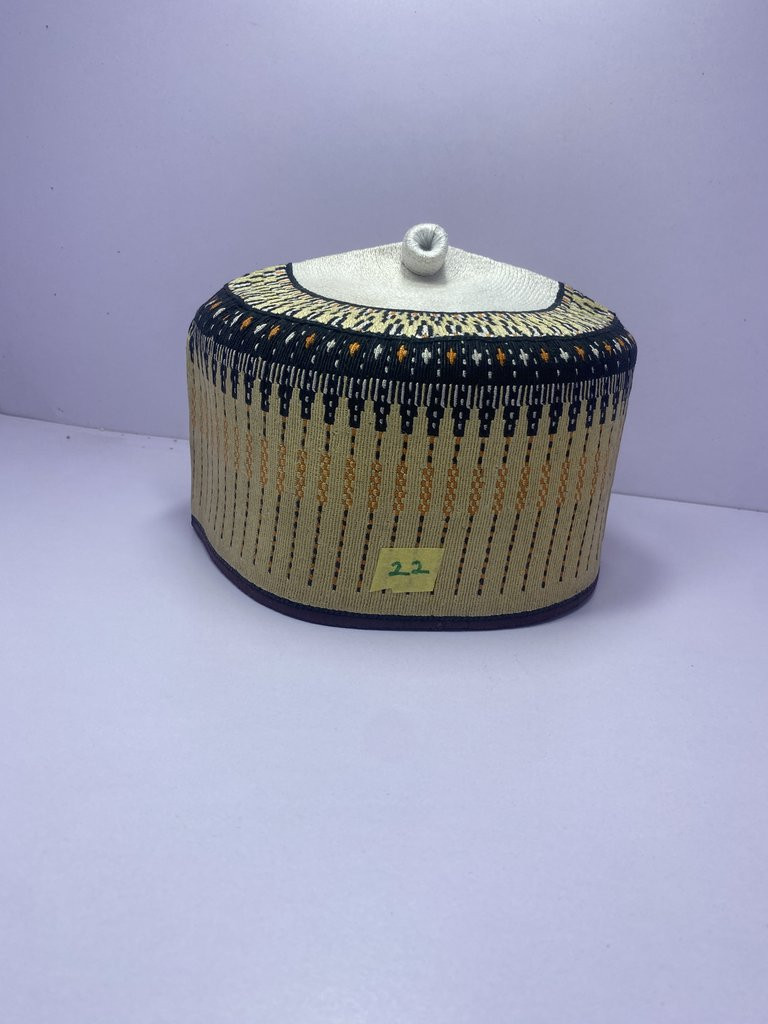
Why Your 'Customer Persona' is Fiction: How AI Decodes the Real Heartbeat of the Nigerian Shopper
Table of Contents
The Fairy Tale of the 'Ideal Customer' The Great Nigerian Trust Deficit AI and the 'Add to Cart' Hesitation The Myth of the 'Lagos-Only' Market Conclusion: Embracing the Human Behind the Data The Last Mile: Where Personas Go to Die Editor's Choice: Authenticity You Can Touch From Demographics to Intent
The Fairy Tale of the 'Ideal Customer'
We have all been there. You sit down with a notepad, or perhaps a fancy Canva template, and you start dreaming. You call him 'Chidi.' You say Chidi is 35, lives in Lekki, drives a Toyota, and loves 'premium experiences.' You decide Chidi has a disposable income of five hundred thousand Naira and shops every Sunday evening. You build your entire marketing strategy around this ghost. But when you launch your ads, Chidi is nowhere to be found. Instead, you get 'Musa' from Kaduna who wants to know if you offer pay-on-delivery, or 'Titi' from Ibadan who adds items to her cart at 2 AM but never checks out because her data ran out.
The truth is harsh but necessary: Your customer persona is fiction. It is a static, lifeless snapshot of a human being who is actually fluid, unpredictable, and deeply influenced by the unique 'wahala' of the Nigerian environment. While you are busy chasing a cardboard cutout, AI is dealing with real behavior. It is watching the hesitation, the trust issues, and the logistical hurdles that a PowerPoint slide could never capture.
The Great Nigerian Trust Deficit
In the West, e-commerce is built on a foundation of 'assume it works until it doesn't.' In Nigeria and across much of Africa, we operate on 'assume it is a scam until proven otherwise.' This is where traditional personas fail. A persona tells you what a customer *wants*, but it doesn't tell you how much they *fear* being cheated. This is the 'What I Ordered vs. What I Got' trauma that haunts our digital marketplaces.
Real behavior in Nigeria is driven by a search for verification. When a user lands on a site like Kanemtrade, they aren't just looking at the price; they are looking for signals of legitimacy. They are checking for physical addresses, verified seller badges, and clear return policies. AI understands this. It tracks how many times a user hovers over the 'About Us' section or checks the shipping terms before they dare to click 'Buy.' AI doesn't care that your persona is a 'High-Net-Worth Individual'; it cares that this specific human being needs to see a verified logo three times before they feel safe.
The Last Mile: Where Personas Go to Die
Your persona might say your customer is 'tech-savvy and values speed.' But in the reality of Nigerian logistics, speed is often a luxury. Real behavior shows that a customer in Mowe has very different expectations than a customer in Victoria Island. AI analyzes the geographical data and the historical delivery success rates to adjust expectations in real-time. It knows that if the rain is falling in Lagos, your 'Persona' isn't thinking about luxury; they are thinking about whether the delivery bike can even reach their street.
AI and the 'Add to Cart' Hesitation
Have you ever wondered why your cart abandonment rate is so high? A traditional marketing consultant will tell you it's the price. But AI looking at real-time behavior might tell you it's the logistics cost transparency. In the Nigerian market, we see a recurring pattern: the 'Ghost Shopper.' This is someone who uses the cart as a wish list because they are waiting for 'Salary Alert' or because they are calculating the total cost including shipping to a remote part of the country.
AI deals with this behavior by moving away from 'who the person is' to 'what the person is doing right now.' It recognizes the pattern of a user who visits a product page five days in a row. It doesn't send them a generic 'Buy Now' email; it sends them a trust-building notification or a localized shipping update. It understands that the person isn't 'indecisive'—they are simply navigating the complexities of the Nigerian economy.
Editor's Choice: Authenticity You Can Touch
While we talk about data and AI, some things remain timelessly real. For the man who values heritage over trends, the Original Handwoven Hausa Fulani Zawa Cap – Bangol Kindei Bama Style | Men’s Knitted Maiduguri Cap Size 24 represents the pinnacle of northern craftsmanship. Unlike the 'fiction' of mass-produced fashion, this Maiduguri Cap is a physical testament to tradition. Whether you are attending a Friday prayer or a high-profile wedding, this hand-knitted masterpiece ensures your style is as authentic as the data we strive to understand. Verified quality, delivered through Kanemtrade.
The Myth of the 'Lagos-Only' Market
Many brands fall into the trap of thinking their 'Persona' only lives in Lagos, Abuja, or Port Harcourt. This is a massive oversight. Real-world behavior, tracked by intelligent systems, shows a booming demand for premium, authentic goods in cities like Kano, Onitsha, and Uyo. However, the trust barrier is higher in these regions because logistics are perceived as 'risky.'
Platforms like Kanemtrade are bridging this gap by using AI to optimize logistics in Nigeria. By analyzing transit times and courier reliability, AI helps businesses promise—and actually deliver—to the 'hinterlands.' Your persona might tell you to ignore the North, but real-time data tells you that there is a man in Sokoto looking for a specific style of Zawa Cap, and he is willing to pay if you can prove you can get it to him safely.
From Demographics to Intent
The shift from fiction to reality happens when you stop looking at Demographics (Age, Gender, Location) and start looking at Intent. Intent is the 'Why.' Why did this user stay on the page for 4 minutes? Why did they click the 'WhatsApp Support' button instead of using the checkout? In Nigeria, the WhatsApp button is the ultimate 'Buyer's Intent' signal. It represents a need for human connection and a final layer of verification before the commitment.
- Real Behavior: Refreshing the checkout page to see if the exchange rate changed the price.
- AI Response: Locking in a price for 30 minutes to provide peace of mind.
- Real Behavior: Checking the 'Seller Reviews' from people with local names.
- AI Response: Surfacing reviews from the user's specific region or city.
Conclusion: Embracing the Human Behind the Data
The 'Customer Persona' was a tool created for an era where we couldn't talk to our customers individually. Today, we don't need to guess. We have the technology to see the real behavior of the Nigerian shopper—the person who is resilient, cautious, and deeply appreciative of quality when they find a source they can trust.
Stop trying to sell to 'Ayo the Persona.' Start selling to the living, breathing human being who is navigating the complexities of logistics in Nigeria and looking for a reason to believe in your brand. Use platforms that prioritize verification and transparency like Kanemtrade. When you stop treating your customers like a fictional character and start treating them like a real person with real challenges, your conversion rates will finally reflect the effort you put into your craft.
The era of fiction is over. The era of behavioral reality is here. Are you ready to see your customers for who they truly are?









comments (0)
Leave a Comment