
 Phones and Accessories
 Computers and Accessories
 Men Clothing & Fashion
 Women Clothing and Fashion
 Home Improvement & Tools
 Jewelry & Accessories
 Health and Beauty
 Skincare
 Photochromic Glasses (Lens)
 Smart watch
 Food and Groceries
 Animals & Pet Supplies
 Apparel & Accessories
 Arts & Entertainment
 Baby & Toddler
 Business & Industrial
 Cameras & Optics
 Electronics
 Food, Beverages & Tobacco
 Furniture
 Hardware
 Health & Beauty
 Home & Garden
 Luggage & Bags
 Mature
 Media
Media Office Supplies
 Religious & Ceremonial
 Software
 Sporting Goods
 Toys & Games
 Vehicles & Parts
Why Silicon Valley is Losing the 'Last Mile': Why Hyper-Local AI Wins in Africa
Table of Contents
The 'Oga' Problem: Why Global AI Doesn't Quite Get Us
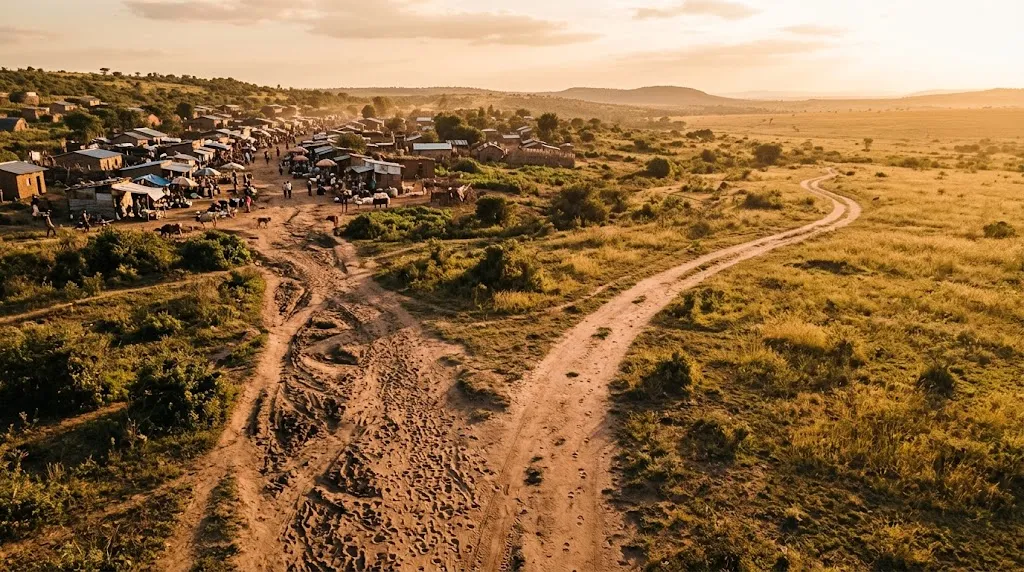
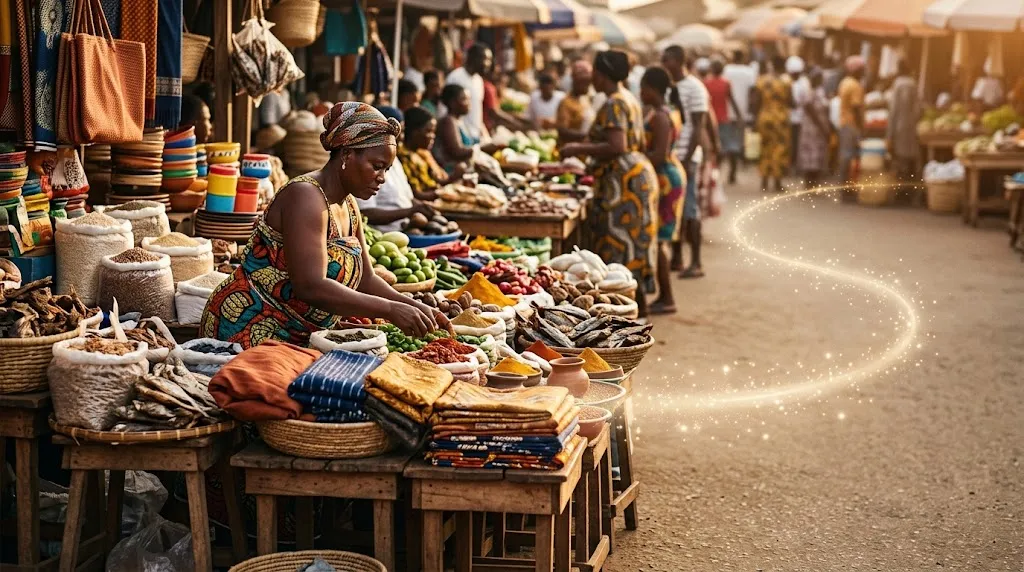
Imagine you are sitting in a bustling café in Victoria Island, Lagos, or perhaps navigating the vibrant chaos of Balogun Market. You open a world-famous AI chatbot to ask for the best way to move goods from a warehouse in Kano to a retail shop in Onitsha. The AI gives you a 'perfect' answer based on Google Maps and Western logistical theories. But as any Nigerian business owner knows, the 'perfect' answer doesn't account for the sudden rain that turns roads into rivers, the specific nuances of 'waybilling' in the East, or the vital importance of building a relationship with the driver.
This is the fundamental gap. While global giants like OpenAI and Google have built incredible engines, they are often 'blind' to the heartbeat of the African continent. They speak English, but they don't speak 'Business in Nigeria.' This is where hyper-local AI models are stepping in, and they aren't just competing—they are winning.
Language is More Than Just Words
For years, African users have had to 'sanitize' their speech to be understood by technology. We speak in formal, rigid sentences because we know the machine won't understand our Pidgin, our Yoruba-infused English, or our Sheng. However, hyper-local AI models are being trained on the ground. They understand that when a customer says 'I'm coming,' they might actually be thirty minutes away, or they might just be starting their generator. They understand the emotional weight of 'Oshey' versus a standard 'Thank you.'
In the world of e-commerce, this nuance is everything. When a platform can communicate with a vendor in a way that feels natural, it removes a massive barrier to entry. It creates an emotional bridge. Hyper-local AI is proving that to win in Africa, you don't just need data; you need context.
Trust: The Hardest Currency to Earn
In many Western markets, trust is assumed until it is broken. In Nigeria and across much of Africa, trust must be earned before a single Naira changes hands. We have been burned by 'What I Ordered vs. What I Got' too many times. This is why platforms like Kanemtrade are so vital to our ecosystem. They understand that verification isn't just a checkbox; it’s a promise.
Global AI models often suggest automated escrow systems that work in London but fail in Lagos because they don't understand the local 'trust deficit.' Hyper-local models, however, are being integrated with local verification services. They know how to flag a suspicious listing based on local behavioral patterns that a global model would miss. They prioritize the human element of verification that Kanemtrade excels at—ensuring that the person on the other side of the screen is who they say they are.
Editor’s Choice: The Ultimate Cool Down
After a long day of navigating the complexities of the digital marketplace and the heat of the Nigerian sun, your skin deserves a break. We recommend the Ice Facial Roller Skin Care Beauty Lifting Contouring Tools. This Ice Globe Ball massager is the perfect way to reduce puffiness and tighten your skin. Whether you're prepping for an Owanbe or winding down after a day of logistics management, this simple tool is a game-changer for your self-care routine. Check it out on Kanemtrade today!
The Logistics Nightmare vs. The AI Dream
Logistics in Nigeria is perhaps the greatest challenge for any e-commerce venture. From the 'Last Mile' delivery issues in congested cities to the vast distances between rural hubs, moving physical goods is a battle. Global AI models look at a map and see a straight line. Hyper-local AI looks at the map and sees the reality: traffic checkpoints, 'go-slow' patterns that change by the hour, and the informal networks of 'Okada' riders who can get through alleys no van could ever enter.
By leveraging hyper-local data, African startups are building AI that can predict delivery times with terrifying accuracy. They are optimizing routes based on real-world African conditions, not just satellite imagery. This localized intelligence is what allows brands to scale. When you combine this with a platform that understands the importance of 'Cash on Delivery' and 'In-Person Verification,' you have a winning formula that no Silicon Valley giant can easily replicate.
Why Verification Matters More Than Ever
As we move further into an AI-driven world, the risk of sophisticated scams increases. This is why the 'Hyper-Local' movement is so focused on security. A global AI might not notice that a bank transfer receipt looks slightly 'off' by Nigerian standards, but a locally-trained model, working in tandem with the rigorous standards of a marketplace like Kanemtrade, can spot anomalies instantly. Verification is the shield that allows the African digital economy to grow. Without it, the AI is just a fancy tool with no foundation.
The Emotional Connection: Tech with a Soul
There is a specific pride in seeing technology that 'sees' us. When a local AI recommends a product or a service that actually fits our lifestyle—not just a Western approximation of it—it feels like progress. We are moving away from being consumers of foreign tech to being architects of our own digital destiny. Hyper-local AI isn't just about efficiency; it's about dignity. It's about acknowledging that our way of doing business, our way of communicating, and our way of building community is valid and worth coding into the future.
Conclusion: The Future is Homegrown
The giants of Silicon Valley will always have a place in our pockets, but the models that will run our businesses, secure our trades, and manage our logistics will be homegrown. They will be trained on the streets of Lagos, the markets of Accra, and the tech hubs of Nairobi. They will understand that trust is built through verification, that logistics is a local art form, and that Kanemtrade is leading the way in making that trust a reality for everyone.
The next time you interact with a digital platform, ask yourself: Does this machine really understand me? Or is it just translating me? The future of Africa belongs to those who speak the local language of the heart, the pocketbook, and the street.





comments (0)
Leave a Comment