
 Phones and Accessories
 Computers and Accessories
 Men Clothing & Fashion
 Women Clothing and Fashion
 Home Improvement & Tools
 Jewelry & Accessories
 Health and Beauty
 Skincare
 Photochromic Glasses (Lens)
 Smart watch
 Food and Groceries
 Animals & Pet Supplies
 Apparel & Accessories
 Arts & Entertainment
 Baby & Toddler
 Business & Industrial
 Cameras & Optics
 Electronics
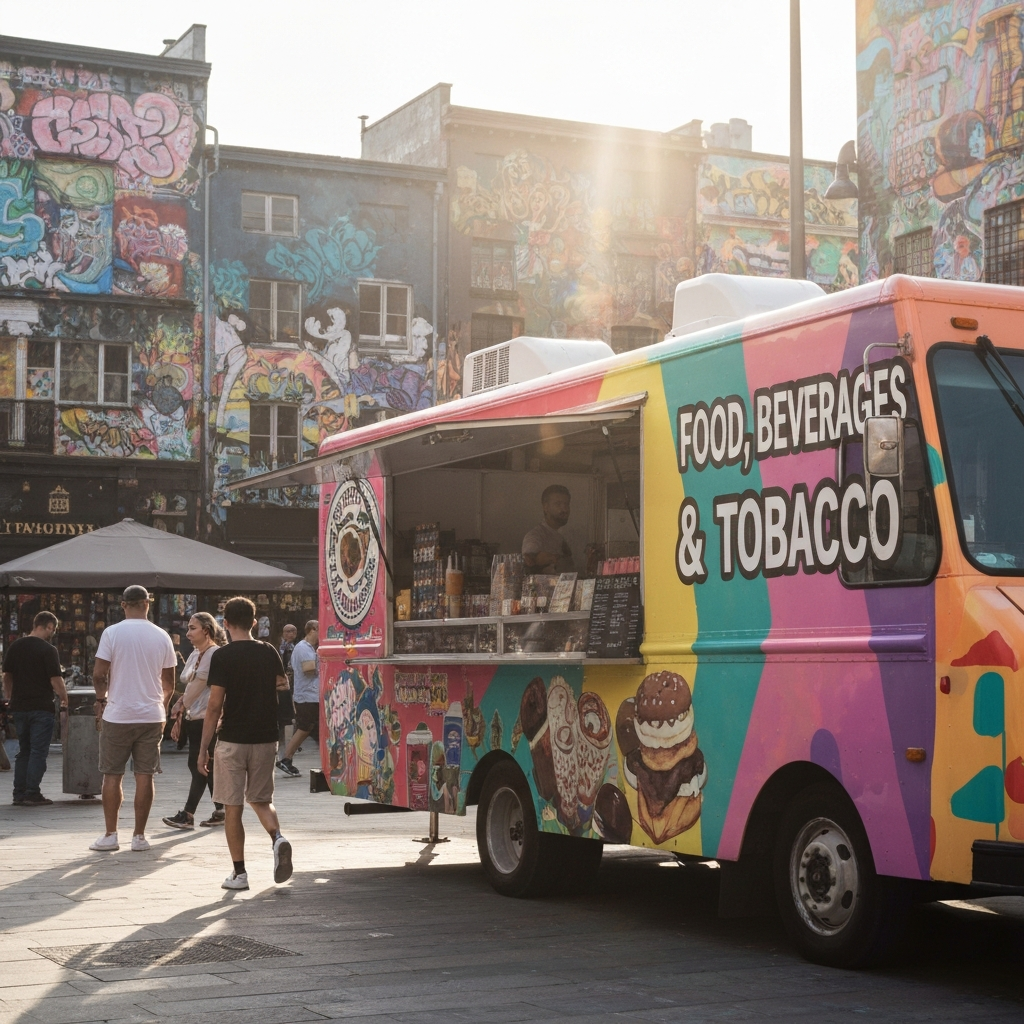 Food, Beverages & Tobacco
 Furniture
 Hardware
 Health & Beauty
 Home & Garden
 Luggage & Bags
 Mature
 Media
Media Office Supplies
 Religious & Ceremonial
 Software
 Sporting Goods
 Toys & Games
 Vehicles & Parts
The 'Small Chops' Economy: Why Food Vendors Scale Faster Than Fashion Brands In Nigeria
Table of Contents
The Scent of Success: Why Food Always Wins in the Nigerian Market 1. The Biology of Business: Hunger is Non-Negotiable 2. The 'What I Ordered vs. What I Got' Trust Gap 3. Lower Barrier to Entry and Rapid Prototyping 4. The Power of Community and 'The Party Factor' 5. Scaling Through Digital Verification Conclusion: Is Food the Ultimate Nigerian Hustle? The Role of Logistics and Real-Time Delivery

The Scent of Success: Why Food Always Wins in the Nigerian Market
Walk through the bustling streets of Lagos at 6:00 PM, or scroll through your Instagram feed on a Friday afternoon. What do you see? Amidst the noise of traffic and the digital clutter, there is one thing that stops every Nigerian in their tracks: the sight of golden-brown puff-puff, the crunch of a perfectly fried samosa, and the spicy kick of a gizzard kebab. This is the 'Small Chops' economy, a powerhouse of micro-transactions that is quietly outperforming the glamorous world of fashion.
As a Professional E-commerce Content Strategist, I’ve watched countless entrepreneurs launch businesses. Many gravitate toward fashion because of the prestige, but the data—and the street-level reality—tells a different story. If you want to scale fast in the current Nigerian climate, the kitchen might be a better bet than the sewing machine. Let’s dive deep into why food vendors are scaling at 3x the speed of their fashion counterparts.
1. The Biology of Business: Hunger is Non-Negotiable
The most fundamental reason food vendors scale faster is simple biology. You can decide not to buy a new Aso Ebi this month. You can decide that your old jeans can last another six months. But you cannot decide not to eat. In Nigeria, where the cost of living is a daily conversation, consumers have become hyper-selective. Fashion has become 'discretionary spending,' while food remains 'essential spending.'
Food vendors tap into a recurring revenue model without even trying. A customer who buys a pack of small chops for a midday office snack today is a candidate for another purchase tomorrow. In fashion, the sales cycle is much longer. A customer might only buy a high-quality dress once every three months. This difference in frequency creates a massive gap in cash flow, allowing food vendors to reinvest and scale their operations almost weekly.
2. The 'What I Ordered vs. What I Got' Trust Gap
One of the biggest hurdles in Nigerian e-commerce is trust. Fashion brands suffer immensely from the 'What I ordered vs. what I got' syndrome. Sizing issues, fabric quality discrepancies, and tailoring errors make customers hesitant to hit the 'buy' button. This hesitation slows down the scaling process.
Food, however, has a lower 'trust barrier' for entry-level purchases. If a pack of small chops is ₦2,500, the risk is low. Once the taste is verified, loyalty is instant. Furthermore, platforms like Kanemtrade are revolutionizing this space by providing verification and escrow-style trust. When a food vendor is verified on a reputable marketplace, the friction of the sale disappears. Customers feel secure knowing that their transaction is backed by a system that values accountability.
The Role of Logistics and Real-Time Delivery
Logistics in Nigeria is the 'final boss' of e-commerce. For fashion, delivery can take 3-5 days, and if the fit is wrong, the return logistics are a nightmare. For food, the logistics are built on speed. Small chops must be delivered hot. This demand for immediacy has forced food vendors to master local delivery networks faster than fashion brands. By the time a tailor is still explaining why a sleeve is too short, the food vendor has already completed ten deliveries and received ten instant payments.
As you scale your food or fashion empire, you'll eventually need to source specialized equipment or exotic spices from international markets. Communication shouldn't be your barrier. We recommend the UYUXIO Real Time Translator Headphones AI Language Translation Earbuds. With support for 144 languages and accents, these 3-in-1 OWS earbuds allow you to negotiate directly with suppliers in China, Turkey, or Italy as if you spoke the language fluently. Perfect for the modern Nigerian business owner looking to go global.
3. Lower Barrier to Entry and Rapid Prototyping
To start a fashion brand that scales, you need a designer, a tailor, fabric sourcing, and a photoshoot that makes the clothes look 'expensive.' The overhead is high. To start a small chops business, you need a stove, flour, protein, and a unique spice blend. You can prototype a new 'menu item' in an afternoon and have it sold by evening.
This ability to pivot is why food vendors scale faster. If the samosas aren't selling, they switch to spring rolls. They can react to market trends in real-time. In fashion, by the time you've designed a collection, the trend might have shifted, leaving you with dead stock. Food vendors have almost zero 'dead stock' because they cook to order or sell out daily.
4. The Power of Community and 'The Party Factor'
In Nigeria, social gatherings are the lifeblood of society. Whether it’s a burial, a wedding, or a 'TGIF' office hang-out, food is the centerpiece. Small chops vendors benefit from the bulk-order economy. One satisfied customer at an office party can lead to a contract for a 500-person wedding. While fashion also benefits from weddings (Aso Ebi), the logistics of measuring 500 people is a nightmare compared to frying 5,000 pieces of puff-puff.
Using Kanemtrade for these large-scale transactions adds a layer of professionalism that small-scale vendors previously lacked. By leveraging a platform that understands the local landscape, vendors can handle these massive orders with the verification needed to win over corporate clients and high-net-worth individuals.
5. Scaling Through Digital Verification
The vendors who are truly 'scaling' aren't just frying on the roadside; they are digital-first. They use social media for marketing and Kanemtrade for business infrastructure. In an economy where 'scams' are a constant fear, being a verified seller is your greatest asset. It tells the customer that you are real, your business is tracked, and their money is safe.
Fashion brands are often seen as 'one-man shows' that can disappear overnight. Food brands, because of their physical presence and daily output, often feel more permanent. When you combine that perceived permanence with the digital trust of a verified marketplace, you create a scaling machine that is hard to stop.
Conclusion: Is Food the Ultimate Nigerian Hustle?
While fashion will always have its place in our vibrant culture, the 'Small Chops' economy is a masterclass in high-velocity e-commerce. It thrives on high frequency, low risk, and the undeniable necessity of its product. For the Nigerian entrepreneur, the lesson is clear: if you want to scale fast, find a way to serve the immediate needs of the people, solve the logistics puzzle, and build your house on a foundation of trust and verification.
Whether you are selling puff-puff or high-end couture, remember that the tools you use—like Kanemtrade for local trust or UYUXIO translation earbuds for global sourcing—will define how far your hustle can go. The economy is shifting, and the small chops vendors are leading the way. Are you ready to follow the scent of success?








comments (0)
Leave a Comment