
 Phones and Accessories
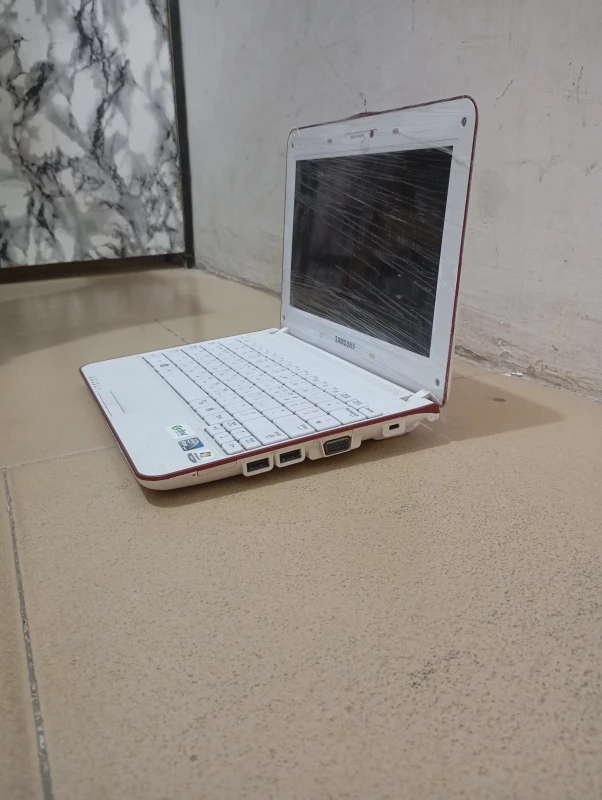 Computers and Accessories
 Men Clothing & Fashion
 Women Clothing and Fashion
 Home Improvement & Tools
 Jewelry & Accessories
 Health and Beauty
 Skincare
 Photochromic Glasses (Lens)
 Smart watch
 Food and Groceries
 Animals & Pet Supplies
 Apparel & Accessories
 Arts & Entertainment
 Baby & Toddler
 Business & Industrial
 Cameras & Optics
 Electronics
 Food, Beverages & Tobacco
 Furniture
 Hardware
 Health & Beauty
 Home & Garden
 Luggage & Bags
 Mature
 Media
Media Office Supplies
 Religious & Ceremonial
 Software
 Sporting Goods
 Toys & Games
 Vehicles & Parts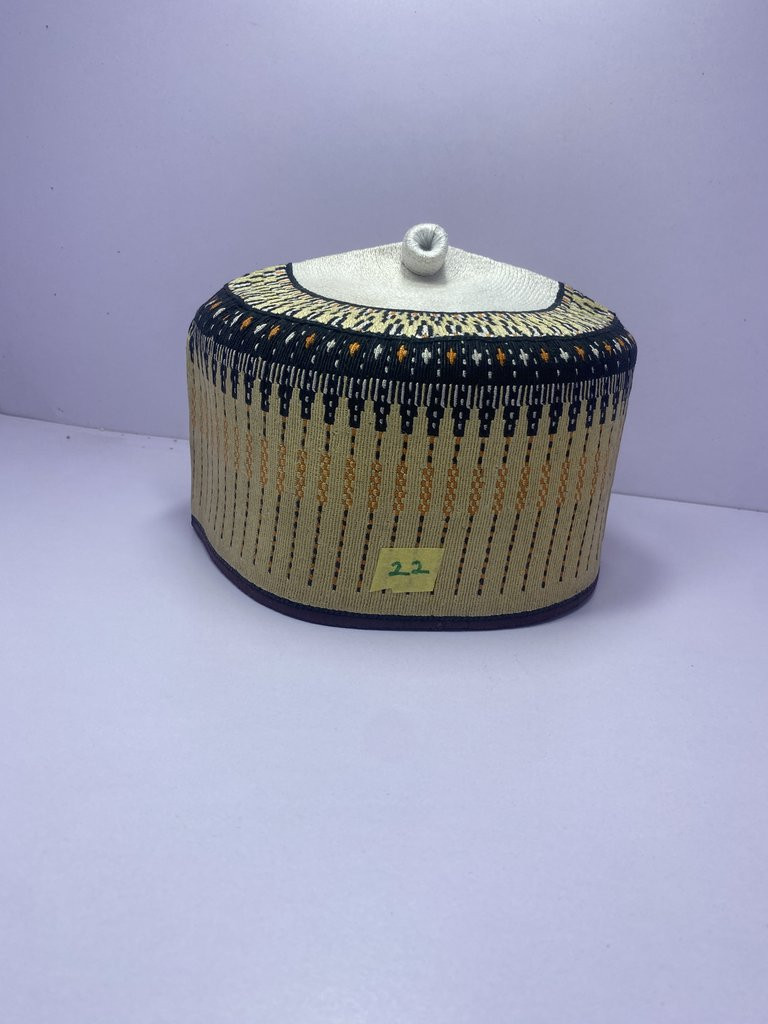
The Silent Sales Killer: Why Nigerian Bank OTP Failures Are Costing You 30% of Your Sales
Table of Contents
The Heartbreak of the 'Pending' Transaction Why Nigerian Bank OTPs Fail (And Why It’s Getting Worse) The 30% Sales Leak: Breaking Down the Numbers Trust and Verification: The Cultural Context Strategies to Bypass the OTP Trap Conclusion: Reclaiming Your Revenue The Logistics Nightmare of Payment Uncertainty Editor’s Choice: The Rawaram Collection

The Heartbreak of the 'Pending' Transaction
Imagine this: You’ve spent weeks perfecting your marketing. You’ve run targeted Instagram ads, engaged with every comment, and finally, a customer in Abuja is ready to pull the trigger. They add your premium products to their cart, click checkout, and enter their card details. Then, the dreaded spinning wheel appears. They wait. Five minutes pass. They check their phone for that crucial six-digit One-Time Password (OTP). It never arrives. They try again. Still nothing. Frustrated and feeling like the universe is against their purchase, they close the tab. Your sale is gone. Your marketing budget is wasted. And worse, that customer might never come back.
In the Nigerian e-commerce landscape, this isn’t just a minor glitch; it is a systemic crisis. Recent data suggests that Nigerian bank OTP failures are responsible for a staggering 30% loss in total online sales conversions. For the average SME or a growing platform like Kanemtrade, this is the difference between scaling a business and barely breaking even.
Why Nigerian Bank OTPs Fail (And Why It’s Getting Worse)
The Nigerian financial ecosystem is a complex web of legacy banking infrastructure, telecommunication gateways, and third-party payment processors. When an OTP fails, it is usually due to a breakdown in communication between these three pillars. Often, the bank’s server is overwhelmed, or the telco’s SMS gateway is congested. In some cases, the 'DND' (Do Not Disturb) feature on many Nigerian phone lines inadvertently blocks these critical messages.
But for the customer, the technical 'why' doesn't matter. What matters is the frustration. In a country where trust in online transactions is already fragile, a failed OTP feels like a red flag. The customer begins to wonder: 'Did they take my money?' 'Is this site a scam?' 'Is my bank having issues again?' This anxiety kills the dopamine hit of shopping, replacing it with a sense of dread.
The Logistics Nightmare of Payment Uncertainty
In Nigeria, payment and logistics are inextricably linked. At Kanemtrade, we understand that every minute a payment stays 'pending' is a minute a delivery rider is sitting idle or a warehouse staff is holding back on packaging. When an OTP fails, it triggers a domino effect. The vendor doesn't see the order as 'paid,' so they don't dispatch it. By the time the customer eventually gets the payment through hours later, the logistics window for that day might have closed. This delay erodes trust and makes the entire ecosystem look inefficient.
Editor’s Choice: The Rawaram Collection
While you navigate the complexities of digital payments, don't forget to maintain your personal style. Our featured pick this week is the Rawaram – Handwoven Hausa/Fulani Cap (Zawa). This authentic Kufi represents the pinnacle of northern craftsmanship, perfect for the modern professional who values tradition. Shop the Rawaram collection on Kanemtrade today.
The 30% Sales Leak: Breaking Down the Numbers
Why 30%? It’s a combination of Cart Abandonment and Brand Erosion. Industry experts observe that if a transaction fails twice, 70% of Nigerian users will not attempt a third time on the same platform. They will either seek the product from a competitor who offers 'Pay on Delivery' or simply decide they didn't need the item that badly.
Furthermore, the cost of customer acquisition (CAC) in Nigeria is rising. If you pay ₦2,000 to get a lead to your site and 3 out of 10 of those leads fail at the finish line because of an OTP, your effective CAC has just skyrocketed. You aren't just losing the profit from that one sale; you are losing the lifetime value of a customer who now associates your brand with 'stress.'
Trust and Verification: The Cultural Context
In Nigeria, trust is the primary currency. Because of the history of fraud, many customers are already on edge. When a bank's technical failure prevents a smooth checkout, the merchant—not the bank—is the one who suffers the reputational damage. Customers don't blame Zenith or Access Bank; they blame the website they were on. Verification should be a bridge, not a wall. When it becomes a wall, the bridge of trust between the buyer and the seller collapses.
This is why platforms like Kanemtrade are constantly looking for ways to streamline the verification process. Whether it is through integrating more stable payment gateways or encouraging alternative payment methods like bank transfers (which often have higher success rates than card-based OTPs), the goal is always the same: reduce friction.
Strategies to Bypass the OTP Trap
How can Nigerian business owners fight back against this 30% loss? Here are a few proven strategies:
- Offer Multiple Payment Windows: Don't rely solely on card payments. Integrate options like Paystack or Flutterwave that allow for 'Pay with Transfer' or 'Pay with USSD.' These methods often bypass the traditional SMS OTP route.
- WhatsApp Integration: If a payment fails, have an automated system (or a manual team) reach out via WhatsApp immediately. A simple message like, 'We noticed your payment didn't go through, would you like to pay via direct transfer?' can save up to 15% of abandoned carts.
- Incentivize Stable Methods: Offer a small discount (even 1-2%) for customers who use payment methods with higher success rates.
- Clear Communication: Add a small note on your checkout page: 'Having trouble receiving an OTP? Try the Pay with Transfer option for a faster experience.'
Conclusion: Reclaiming Your Revenue
The Nigerian market is one of the most resilient and vibrant in the world, but it is also one of the most challenging. You cannot afford to let 30% of your hard-earned sales slip through the cracks of a faulty banking notification system. By understanding the emotional toll of these failures and providing your customers with reliable alternatives, you build a brand that stands for more than just products—you build a brand that stands for reliability.
At Kanemtrade, we believe that the future of African e-commerce depends on solving these 'last-mile' payment issues. Don't let a six-digit code stand between you and your business growth. It's time to optimize, adapt, and ensure that when a customer wants to buy, nothing—especially not a missing SMS—stands in their way.








comments (0)
Leave a Comment