 Phones and Accessories
 Computers and Accessories
 Men Clothing & Fashion
 Women Clothing and Fashion
 Home Improvement & Tools
 Jewelry & Accessories
 Health and Beauty
 Skincare
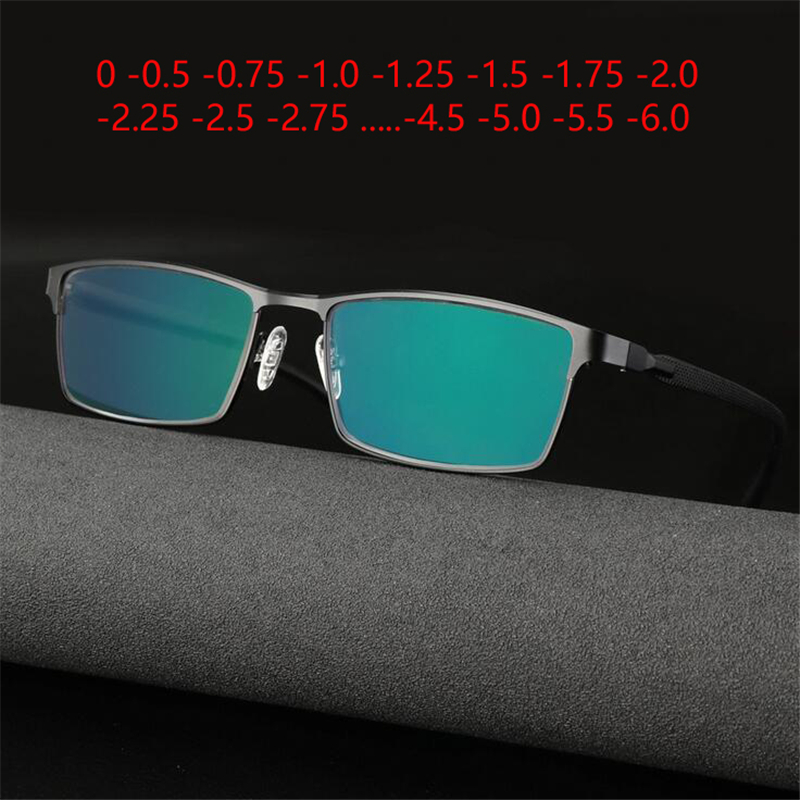 Photochromic Glasses (Lens)
 Smart watch
 Food and Groceries
 Animals & Pet Supplies
 Apparel & Accessories
 Arts & Entertainment
 Baby & Toddler
 Business & Industrial
 Cameras & Optics
 Electronics
 Food, Beverages & Tobacco
 Furniture
 Hardware
 Health & Beauty
 Home & Garden
 Luggage & Bags
 Mature
 Media
Media Office Supplies
 Religious & Ceremonial
 Software
 Sporting Goods
 Toys & Games
 Vehicles & Parts
"I Will Spoil Your Name": The Rise of Review Ransom and How Nigerian Merchants Can Fight Back
Table of Contents
The Nightmare Notification The Psychology of the Review Ransom Why Nigeria is a Unique Battlefield How to Protect Your Business from Review Blackmail The Role of Verification and Kanemtrade Conclusion: Stand Your Ground Common Tactics of the Blackmailer Editor’s Choice: The Grace Under Pressure Look 1. Document Everything 2. Clear Terms and Conditions 3. Professionalism is Your Shield

The Nightmare Notification
Imagine this: You’ve spent weeks sourcing the finest fabrics, negotiating with suppliers, and ensuring your packaging is top-notch. You finally ship an order from Lagos to a customer in Abuja. You follow up with the logistics company, battling the usual Nigerian 'wahala' of delayed riders and fuel scarcity. Then, your phone pings. It’s not a thank-you note. It is a message that reads: "If you don't give me a 50% refund right now, I will post a video on Instagram and Twitter saying your brand is a scam. I will spoil your name."
Welcome to the era of the Review Ransom. In the fast-paced world of African e-commerce, the "Customer is King" mantra has been weaponized. While honest feedback is the lifeblood of any business, a new breed of predatory shoppers has emerged—those who use the threat of a 1-star review or a viral call-out post to extort merchants for free products, unmerited discounts, or full refunds on perfectly good items.
The Psychology of the Review Ransom
In Nigeria, trust is a fragile currency. We live in a high-anxiety market where 'What I Ordered vs. What I Got' memes go viral every hour. Customers are naturally defensive because they’ve been burned before. However, some have learned to exploit this trust deficit. They know that a single negative post on a popular Facebook group or a bad rating on a platform like Kanemtrade can scare away hundreds of potential buyers. This power dynamic has created a environment where merchants feel they are walking on eggshells.
Common Tactics of the Blackmailer
- The Shipping Scapegoat: Blaming the merchant for delays caused by third-party logistics companies, even when the merchant shipped on time.
- The "Invisible" Flaw: Claiming a garment has a tear or a stain that magically disappears when you ask for a video proof, yet still demanding a refund to "avoid trouble."
- Social Media Holding: Tagging major influencers or 'Instablog' in a complaint before even reaching out to the merchant’s customer service.
Why Nigeria is a Unique Battlefield
E-commerce in Nigeria isn't like e-commerce in the West. Here, the merchant is often the customer service agent, the logistics coordinator, and the quality control officer all in one. When a customer threatens a brand's reputation, they aren't just attacking a corporate entity; they are attacking a person’s livelihood. The fear of being labeled a 'scam' is so potent that many small business owners succumb to the ransom, losing money just to keep their names clean.
This is where the importance of verification and trust platforms comes in. In an ecosystem where anyone can say anything, having a neutral ground is essential for survival.
Editor’s Choice: The Grace Under Pressure Look
Running a business in this climate requires a lot of patience and poise. If you want to maintain your professional aura even on the most stressful delivery days, our Luxury Leaf Pattern Modest Wear Abaya offers the perfect blend of comfort and authority. It’s a piece designed for the modern woman who values dignity and style, regardless of the 'logistics' she’s managing behind the scenes.
How to Protect Your Business from Review Blackmail
You don't have to be a victim. Protecting your brand starts with systems, not just prayers. Here is how seasoned Nigerian merchants are fighting back against the ransom culture:
1. Document Everything
Before any package leaves your office in Kano, Lagos, or Port Harcourt, take a video of the item. Show the stitching, the color, and the packaging process. If a customer claims the item arrived damaged, you have date-stamped evidence. This documentation is your first line of defense when a dispute arises on Kanemtrade.
2. Clear Terms and Conditions
Don’t just assume the customer knows your refund policy. State it clearly on your website and in your order confirmation messages. Be explicit about how you handle logistics delays. When the rules are written down, it’s harder for a blackmailer to move the goalposts.
3. Professionalism is Your Shield
When a customer sends that dreaded "I will spoil your name" message, your initial reaction might be anger. Resist it. Respond with professional, calm, and firm language. Acknowledge their concern, ask for specific proof of the issue, and remind them of your resolution process. Often, blackmailers back down when they realize you cannot be intimidated into an emotional reaction.
The Role of Verification and Kanemtrade
The solution to the review ransom isn't to stop taking reviews; it’s to move the conversation to verified platforms. Kanemtrade plays a vital role here. By providing a structured environment for transactions and feedback, it filters out the noise. When a review is tied to a verified purchase and a monitored communication channel, the merchant is protected from baseless attacks, and the customer is protected from actual fraud.
Trust is a two-way street. Verification ensures that both the buyer and the seller are held accountable. In the long run, this is what will save Nigerian e-commerce from the toxicity of blackmail. We must move away from the 'shouting match' on social media and toward a system of documented, verified commerce.
Conclusion: Stand Your Ground
Building a brand in Africa is a feat of strength. Do not let one or two bad actors make you lose heart. By implementing high standards of documentation, utilizing trusted marketplaces like Kanemtrade, and maintaining your professional integrity, you can navigate the choppy waters of customer reviews without paying the ransom. Remember, your true customers—the ones who value your hard work—will see through the noise if you remain consistent and transparent.







comments (0)
Leave a Comment