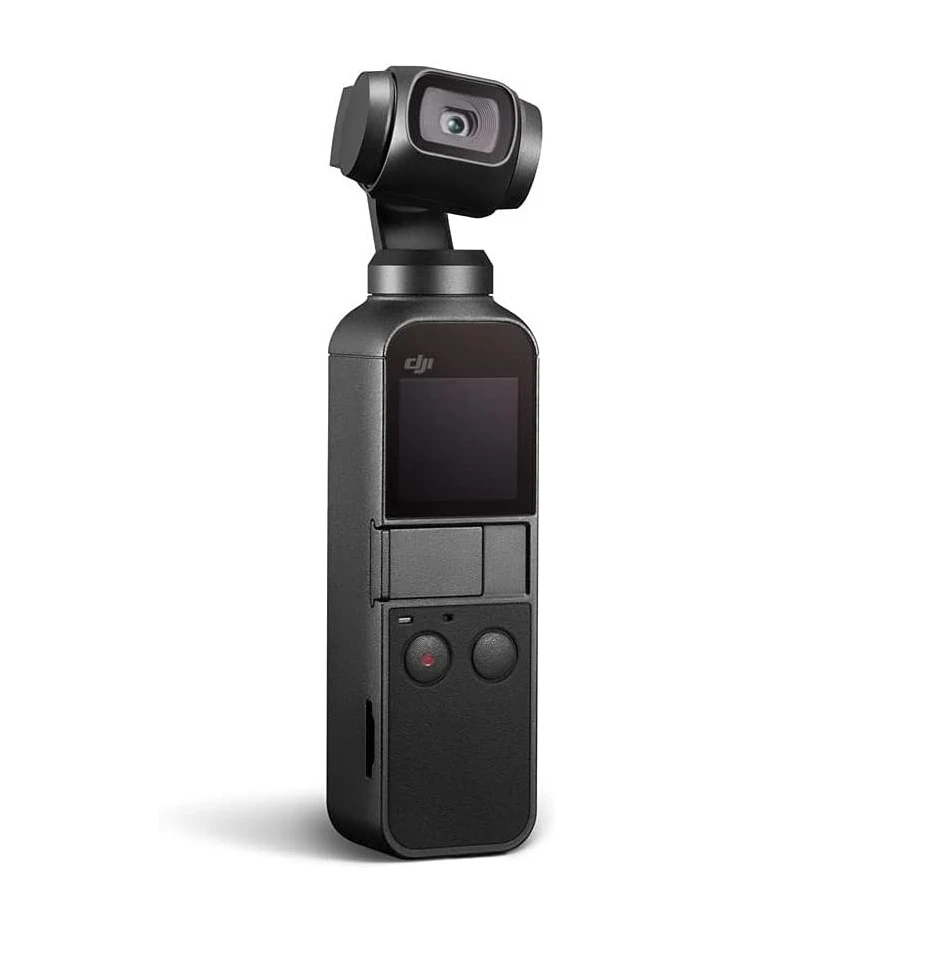
 Phones and Accessories
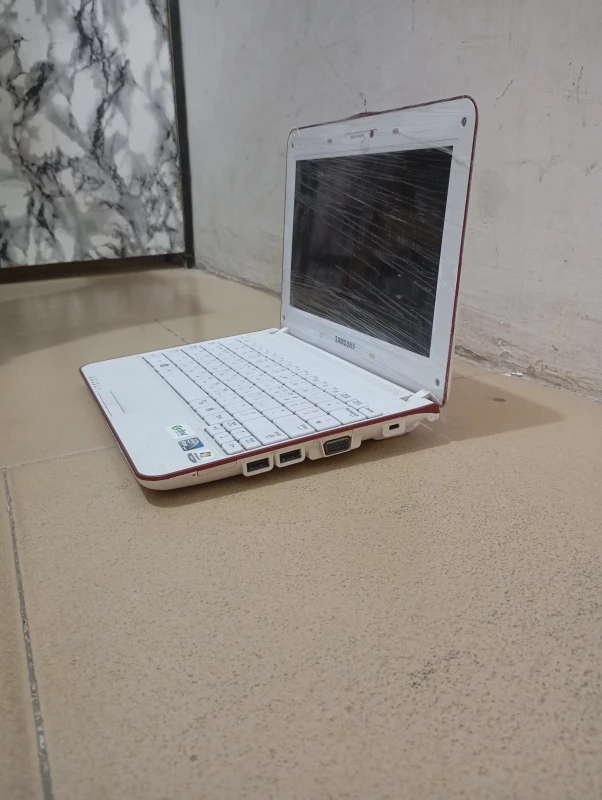 Computers and Accessories
 Men Clothing & Fashion
 Women Clothing and Fashion
 Home Improvement & Tools
 Jewelry & Accessories
 Health and Beauty
 Skincare
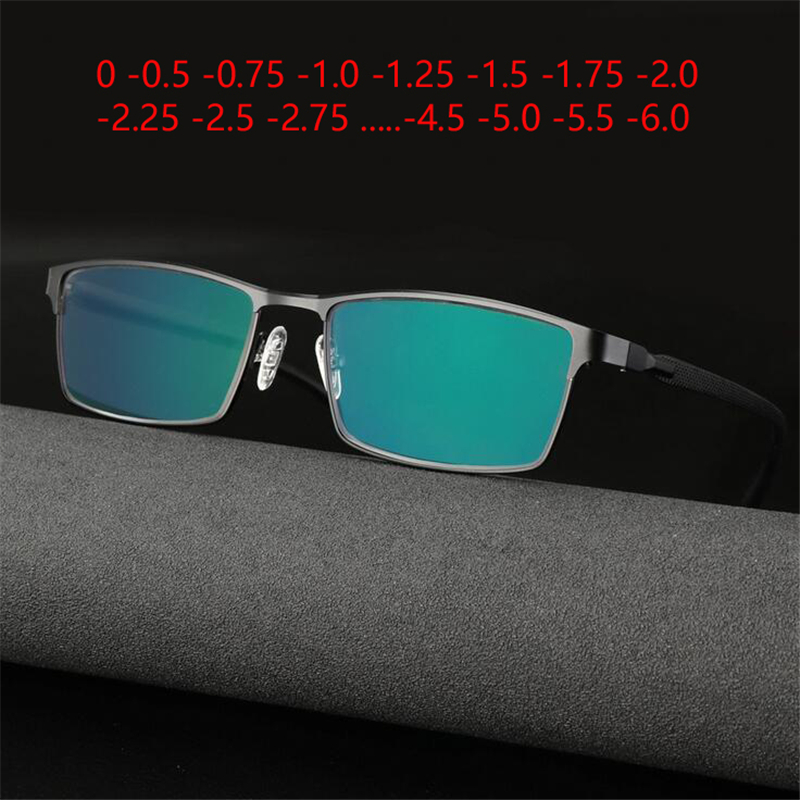 Photochromic Glasses (Lens)
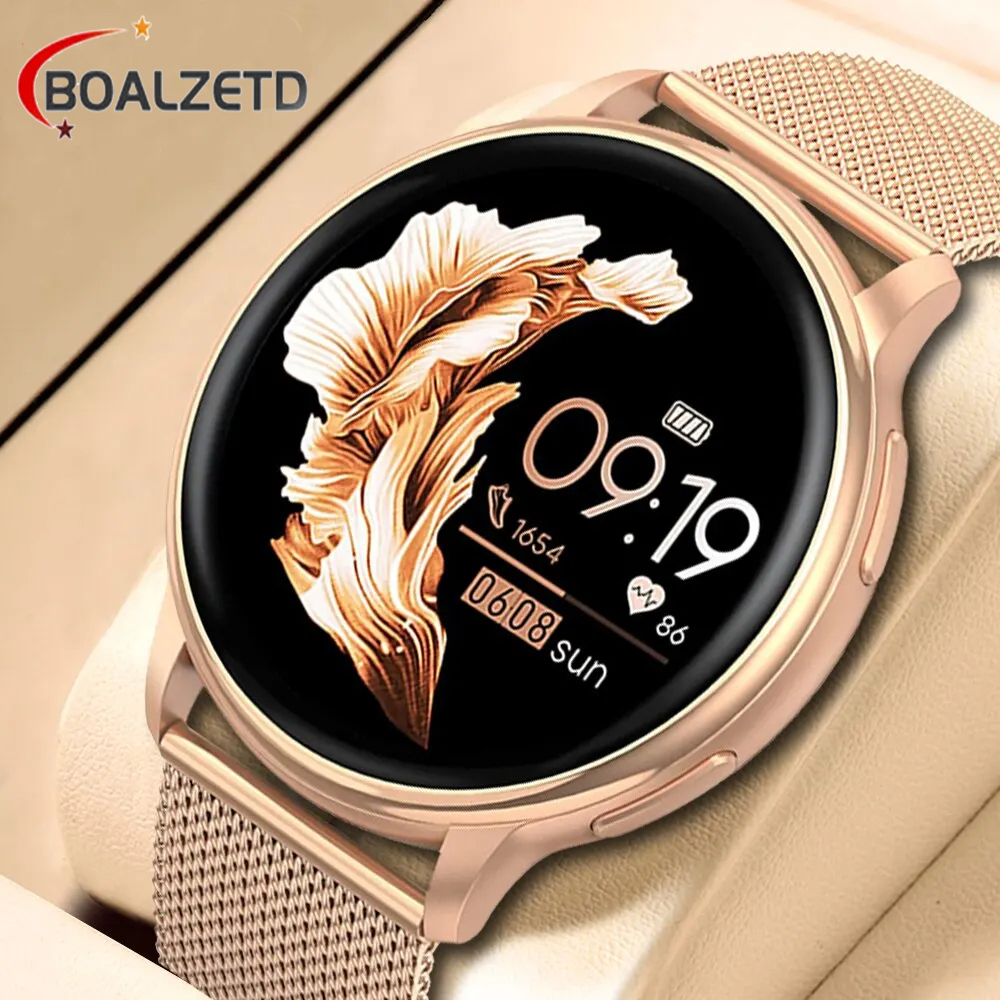 Smart watch
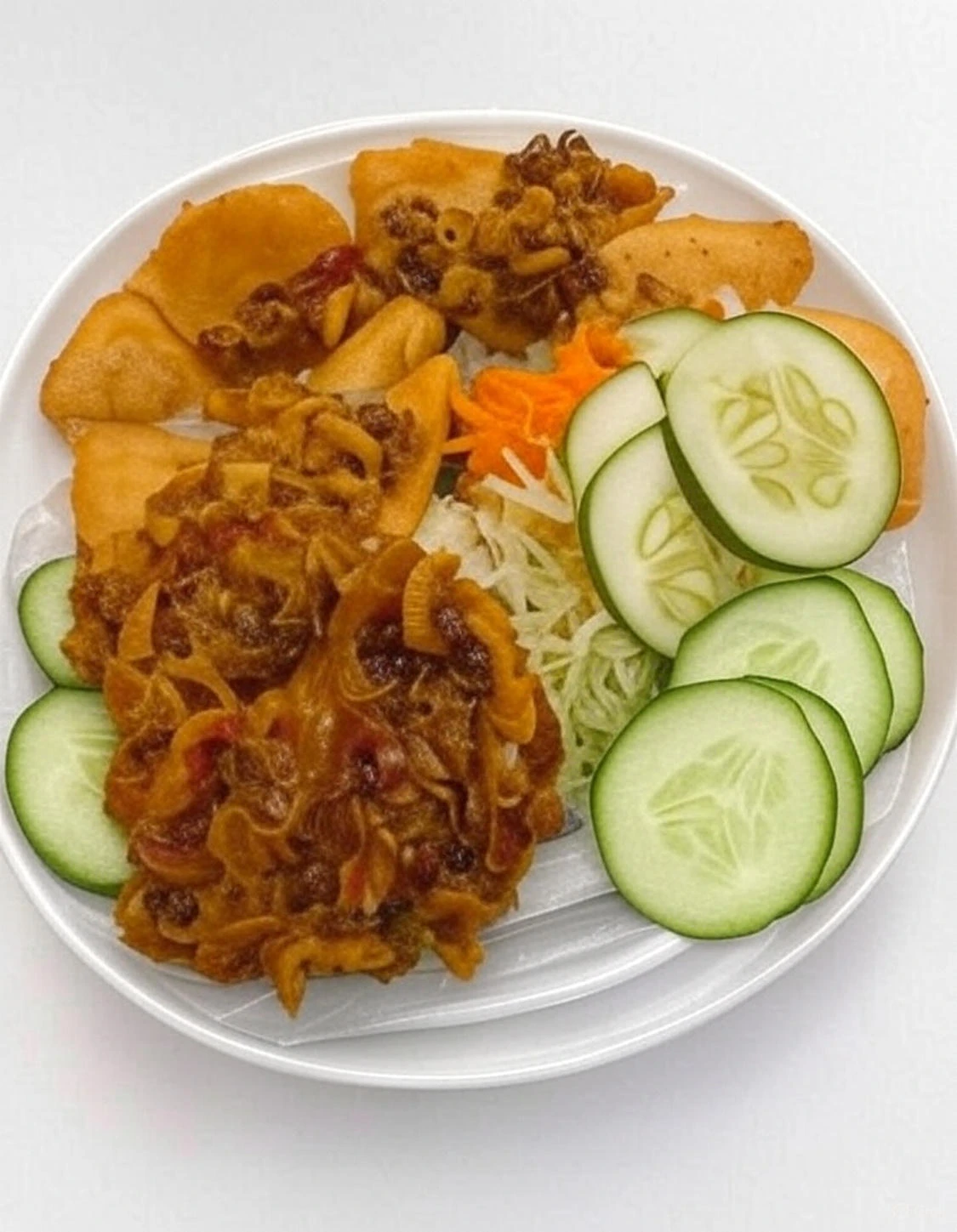 Food and Groceries
 Animals & Pet Supplies
 Apparel & Accessories
 Arts & Entertainment
 Baby & Toddler
 Business & Industrial
 Cameras & Optics
 Electronics
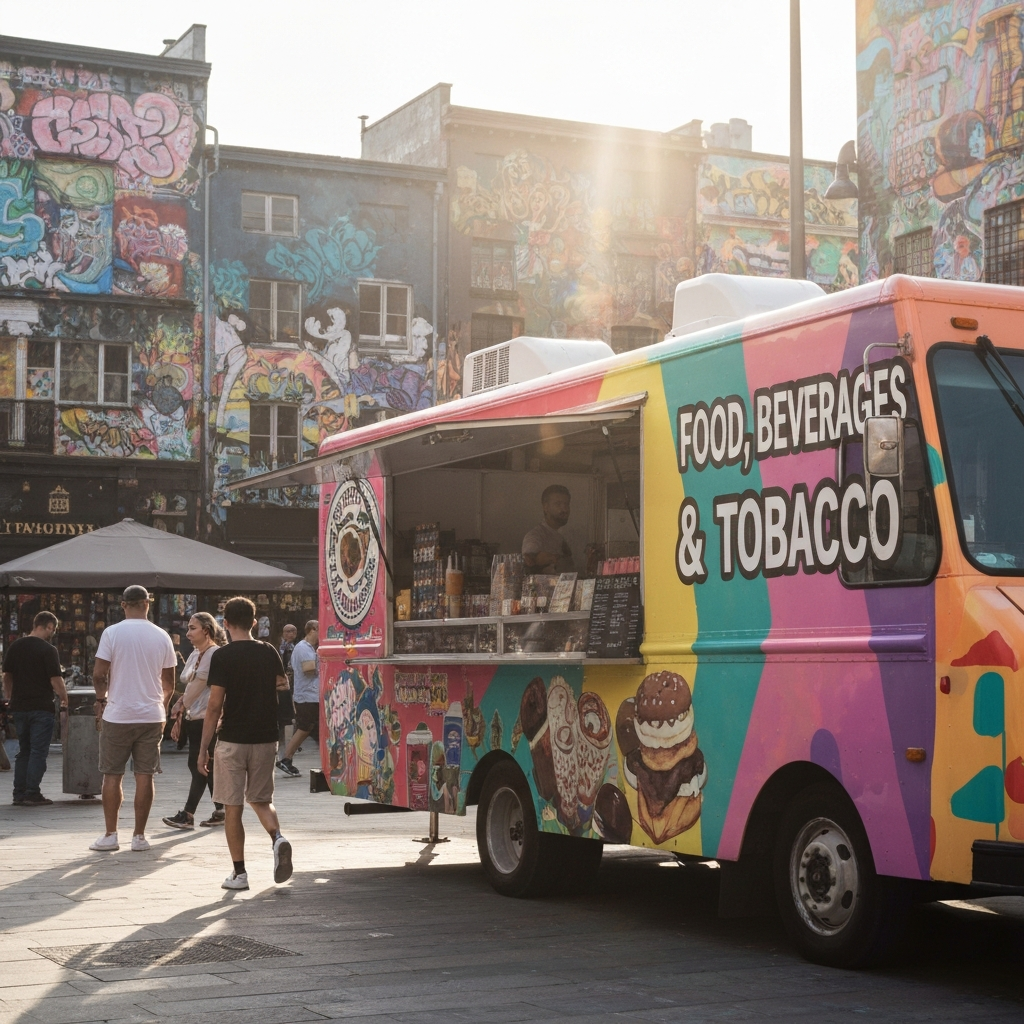 Food, Beverages & Tobacco
 Furniture
 Hardware
 Health & Beauty
 Home & Garden
 Luggage & Bags
 Mature
 Media
Media Office Supplies
 Religious & Ceremonial
 Software
 Sporting Goods
 Toys & Games
 Vehicles & Parts
The "POS Charges" War: Why Nigerians are Paying the Ultimate Price for Convenience
The Silent Tax: Living in the Era of POS Charges
If you live in Nigeria today, you know the sound. It is the rhythmic whirrr-clack of a POS machine printing a thermal receipt. For some, it is the sound of convenience. For others, it is the sound of a silent war—a war where the ultimate casualty is the Nigerian pocketbook. Whether you are buying a bag of sachet water in the heart of Kano or paying for a high-end gadget in a Lagos mall, the question remains the same: "Who is paying for this transaction?"
The "POS Charges" war isn't just about the extra N100 or N200 added to your withdrawal; it is a complex web of banking frustrations, logistics hurdles, and a desperate search for trust in a cashless economy that often feels more "cash-trapped" than "cashless."
The Hustle Behind the Machine
To understand the war, we must look at the foot soldiers: the POS agents. In every street corner and kiosks across the nation, these agents have become the unofficial banks of the people. But they aren't charities. Between the Merchant Discount Rate (MDR), the cost of data for the machines, the high price of fuel to keep their kiosks lit, and the constant threat of "network failure" hanging over their heads like a guillotine, the agent is fighting a battle of margins.
When an agent asks for an extra N100, they see it as a survival fee. When a customer pays it, they see it as an unfair tax on their own money. This friction is where the frustration boils over, creating a cycle of resentment that affects how we trade, how we buy, and how we trust.
Logistics, E-commerce, and the Trust Gap
In the world of e-commerce, this war takes on a different shape. Consider the logistics of delivering a package across Nigeria. At Kanemtrade, we see firsthand how payment friction impacts the final mile. When a delivery rider arrives at a doorstep, the dance begins. Does the customer have cash? Is the POS machine working? Will the transfer "reflect" immediately?
This is where trust and verification become the real currency. In a country where "what I ordered versus what I got" is a constant fear, the payment method becomes the final barrier of security. Many Nigerians prefer POS on delivery because it offers a sense of control. However, the charges associated with these mobile terminals add another layer of cost to the logistics chain—a cost that someone, eventually, must bear.
While the world of POS charges and marketplace noise can be overwhelming, your audio experience shouldn't be. The Edifier W820NB Plus (2025 Ver.) ANC Wireless Headphone is our top pick for the modern professional. Featuring -49dB Active Noise Cancellation and Hi-Res Audio, these headphones allow you to block out the stress of the city and focus on what matters. Whether you're navigating the busy streets or working from a bustling cafe, the 2025 version offers Bluetooth 5.4 stability and premium comfort that lasts all day.
The Hidden Cost of "System Down"
We’ve all been there: standing at a fuel station or a supermarket, card inserted, only for the dreaded "Issuer Inoperative" or "Communication Error" to appear on the screen. In that moment, the POS war isn't about money; it's about time and dignity. You’ve been debited, but the merchant hasn't been credited. Now, you are stuck in a limbo of "reversal" that might take 24 hours or 14 days.
This failure of infrastructure forces people back to the "POS Galley"—the street agents who charge a premium for the certainty of cash. This isn't just a financial burden; it’s a psychological one. It erodes our faith in digital systems and makes the promise of a seamless Nigerian digital economy feel like a distant dream.
Kanemtrade: Bridging the Gap with Verification
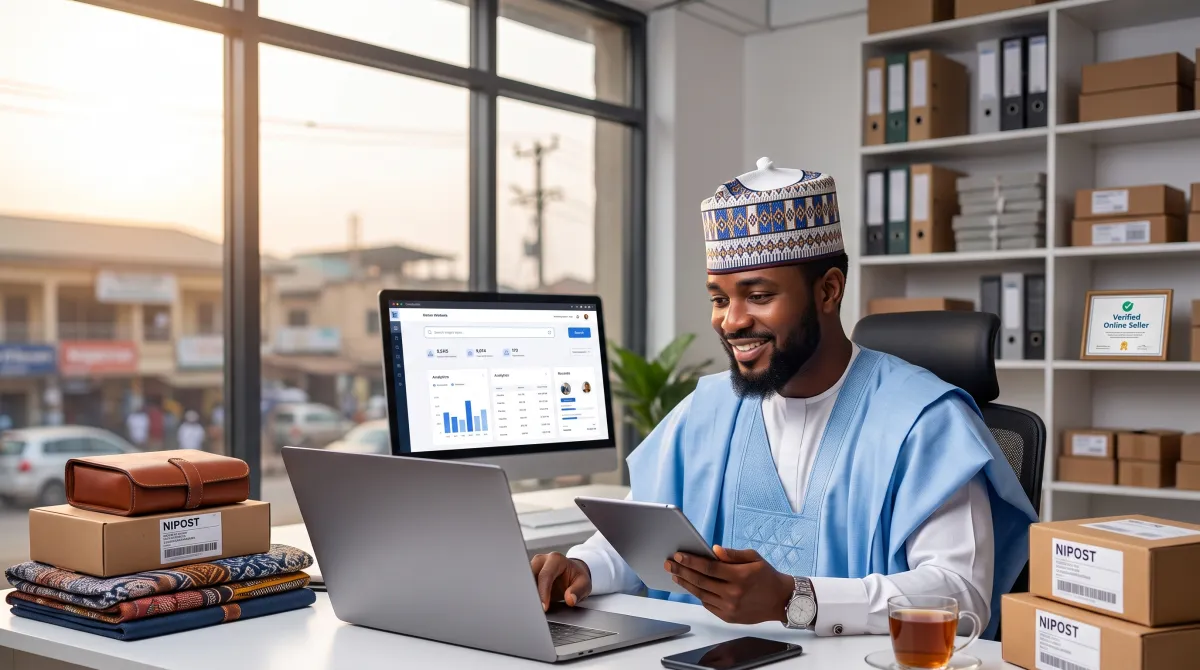
At Kanemtrade, we believe the solution to the POS war isn't just better machines, but better systems of verification and trust. When logistics are handled by a verified partner, the need for frantic, high-fee cash withdrawals decreases. By focusing on verified logistics in Nigeria, we aim to ensure that the journey of a product—from the warehouse to your hands—is transparent and secure.
Trust is the only thing that can lower the cost of doing business. When a customer knows that their delivery is handled by a reputable platform, the anxiety that drives the "Cash is King" mentality begins to fade. We are working toward a future where you don't have to worry about the extra N200 because the system itself is reliable enough to handle your transactions without fail.
The Way Forward: Who Really Pays?
In the end, it is the consumer who pays the highest price—not just in Naira, but in the loss of convenience. To end the POS war, we need a multi-pronged approach:
- Better Infrastructure: Banks must improve their switch capacities to prevent the "debit-without-credit" nightmare.
- Transparent Pricing: Clearer regulations on what agents can charge, balanced with lower operating costs for those same agents.
- Enhanced Verification: Platforms like Kanemtrade continuing to provide secure, verified logistics to minimize the risks of e-commerce.
Until then, the next time you hear that POS machine printing, remember that you aren't just paying for a service; you are participating in a struggle for a more efficient Nigeria. Choose your platforms wisely, prioritize verified services, and always keep an eye on the true cost of convenience.







comments (0)
Leave a Comment