
 Phones and Accessories
 Computers and Accessories
 Men Clothing & Fashion
 Women Clothing and Fashion
 Home Improvement & Tools
 Jewelry & Accessories
 Health and Beauty
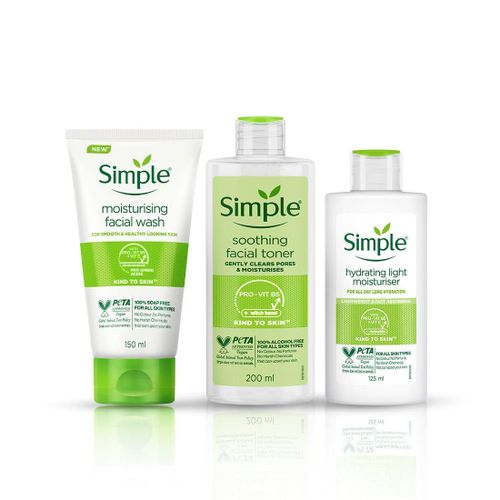 Skincare
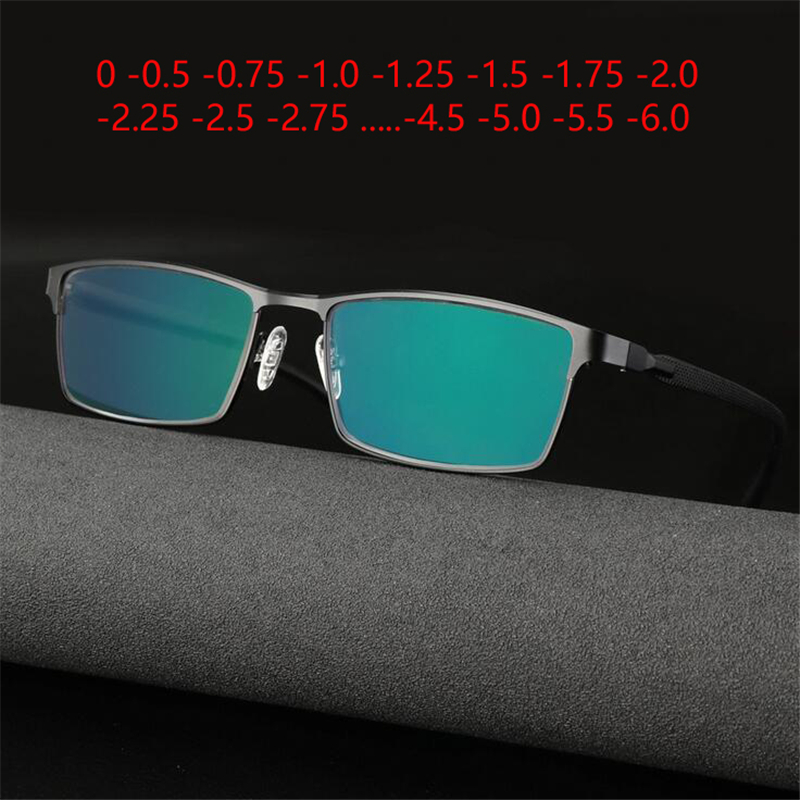 Photochromic Glasses (Lens)
 Smart watch
 Food and Groceries
 Animals & Pet Supplies
 Apparel & Accessories
 Arts & Entertainment
 Baby & Toddler
 Business & Industrial
 Cameras & Optics
 Electronics
 Food, Beverages & Tobacco
 Furniture
 Hardware
 Health & Beauty
 Home & Garden
 Luggage & Bags
 Mature
 Media
Media Office Supplies
 Religious & Ceremonial
 Software
 Sporting Goods
 Toys & Games
 Vehicles & Parts
Why Your Nigerian E-Commerce Business is Bleeding Money: The Truth About Your 'Dumb' Chatbot
Table of Contents
The Frustration of the 'I Don’t Understand' Loop The Trust Deficit in Nigerian E-Commerce The True Cost of 'Close Enough' Technology Building a Brand That Nigerians Trust Why Generic Chatbots Fail the African Market Editor’s Choice: The Secret to a Radiant Glow The Solution: Conversational AI and Verification Final Thoughts: Don't Let Your Tech Hold You Back
The Frustration of the 'I Don’t Understand' Loop
Imagine this: It is 11:45 PM on a Tuesday. A potential customer in Lekki has finally found the time to browse your store. They are tired from a long day of Lagos traffic, but they are ready to spend money. They have one simple question: 'Do you deliver to Ikorodu by Friday if I order now?'
They click your shiny 'Chat with Us' button, hoping for a quick answer. Instead, your chatbot replies: 'Sorry, I didn’t quite get that. Would you like to see our return policy or track an order?'
The customer tries again: 'I want to know about Friday delivery.' The bot responds: 'I can help you with: 1. Store Hours, 2. Refund Status, 3. Talk to an Agent (Available 9 AM - 5 PM).'
By 11:47 PM, that customer has closed your tab. They didn’t just leave your site; they left with a bad taste in their mouth. They went to a competitor or simply gave up. In that two-minute window, you didn’t just lose a sale; you lost a lifetime customer value. Multiply this by hundreds of visitors a month, and you realize your 'dumb' chatbot isn't just a minor technical glitch—it is a hole in your pocket losing you millions of Naira.
The Trust Deficit in Nigerian E-Commerce
In Nigeria, e-commerce is built on a foundation of skepticism. We have all 'learnt the hard way.' From 'What I ordered vs. What I got' to vendors disappearing after payment, the average Nigerian shopper is naturally defensive. This is why platforms like Kanemtrade have become so vital. By focusing on verification and trust, they bridge the gap between the seller and the buyer.
When a customer interacts with your site, they are looking for signs of life. They want to know that there is a real person—or at least a real intelligence—behind the screen. A rigid, scripted chatbot that can’t handle basic Nigerian context feels like a 'scam' or a ghost town. It screams that the business is automated and cold, rather than attentive and reliable. If you want to scale, you must move beyond these 2015-era decision trees.
Why Generic Chatbots Fail the African Market
Most chatbot templates are designed for the Western market where 'How may I assist you?' is the standard. In Nigeria, our commerce is conversational. We ask, 'How far?', 'What is your last price?', and 'Is it original?' A bot that cannot navigate these nuances is useless. It doesn't understand that a customer asking 'Will it reach me in Port Harcourt?' is actually asking about logistics reliability, not just a shipping rate.
Furthermore, Nigerian logistics are complicated. Between 'dispatch riders' and interstate 'waybills,' the shipping process is a dance. If your chatbot cannot pull real-time data from your logistics partners or understand the anxiety of a customer waiting for a high-value item, you are failing them.
Editor’s Choice: The Secret to a Radiant Glow
While you're fixing your customer experience, don't forget to take care of yourself. Our editors recommend the Garnier Bright Complete 30x Vitamin C Niacinamide Booster Serum. This 30ml essence is a powerhouse for whitening skin tone and fading acne marks. Just as your website needs to be clear and responsive, your skin deserves to be bright and spot-free. It's the perfect beauty boost for the busy entrepreneur.
The True Cost of 'Close Enough' Technology
You might think, 'But at least I have a bot! It’s better than nothing, right?' Wrong. A bad chatbot is actually worse than no chatbot at all. When you provide a tool that promises communication but delivers frustration, you are actively annoying your lead. You are creating a friction point that wasn't there before.
Let’s look at the math. If your site gets 10,000 visitors a month and your conversion rate is 2%, you make 200 sales. If 10% of your visitors have a question before buying (1,000 people) and your bot fails 70% of them, you are losing out on roughly 700 potential conversations. Even if only 10% of those would have bought, that’s 70 lost sales. If your average order value is ₦30,000, you are losing ₦2.1 million every single month. Over a year, that is ₦25 million down the drain because of a 'dumb' bot.
The Solution: Conversational AI and Verification
How do we fix this? It starts with moving toward Conversational AI that understands intent, not just keywords. Your bot should be able to:
- Understand Context: It should know that 'Abuja delivery' and 'Bringing it to the capital' mean the same thing.
- Integrate with Kanemtrade: Show your verification badges and trust scores directly in the chat to reassure the customer.
- Handle Logistics Questions: Connect directly to your delivery API so the bot can say, 'Your rider, Tunde, is currently in Opebi and should be with you in 20 minutes.'
- Escalate Intelligently: If the bot is stuck, it should seamlessly hand over to a human agent on WhatsApp without making the customer repeat themselves.
Building a Brand That Nigerians Trust
In the Nigerian digital space, trust is the ultimate currency. You gain trust by being present. If your technology feels 'foreign' or disconnected from the local reality, people will hesitate to put their card details into your checkout page. They will look for your Instagram handle, see if you have 'active' comments, and if your bot is frustrating, they will assume your service is too.
Successful brands are using their digital storefronts to mirror the 'market' experience—friendly, fast, and flexible. They use platforms like Kanemtrade to verify their business status because they know that a 'Verified' tick is worth more than a thousand marketing slogans. They ensure their logistics are transparent because they know the 'Where is my order?' fear is real.
Final Thoughts: Don't Let Your Tech Hold You Back
The Nigerian e-commerce landscape is growing at an explosive rate. As more people move from offline markets to online stores, the businesses that survive will be the ones that treat customers like humans, not like data points. Stop letting a poorly programmed script handle your most valuable asset: your customers.
Audit your chatbot today. Test it with 'Naija' questions. See if it helps or hinders. If it's failing, it’s time to upgrade to a system that understands the heart of Nigerian commerce. Because at the end of the day, a smart bot isn't an expense—it’s an investment in the millions you are currently leaving on the table.








comments (0)
Leave a Comment