 Phones and Accessories
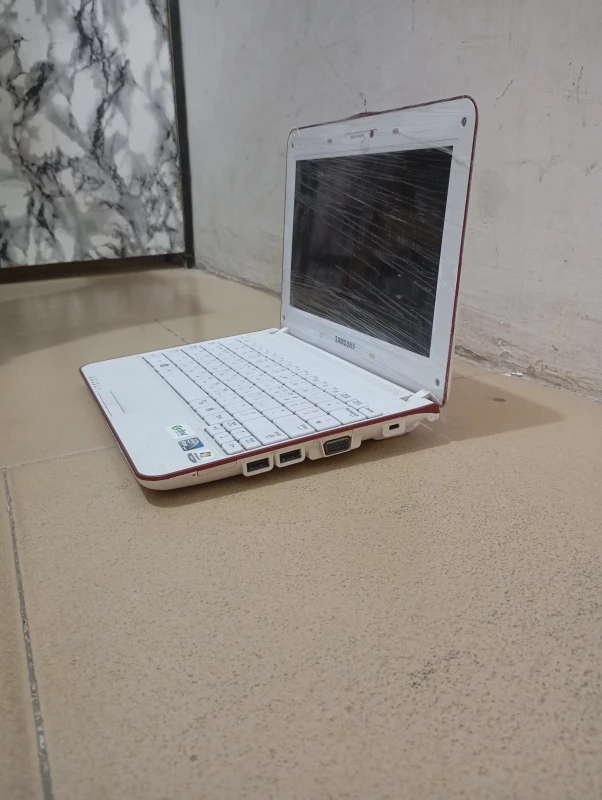 Computers and Accessories
 Men Clothing & Fashion
 Women Clothing and Fashion
 Home Improvement & Tools
 Jewelry & Accessories
 Health and Beauty
 Skincare
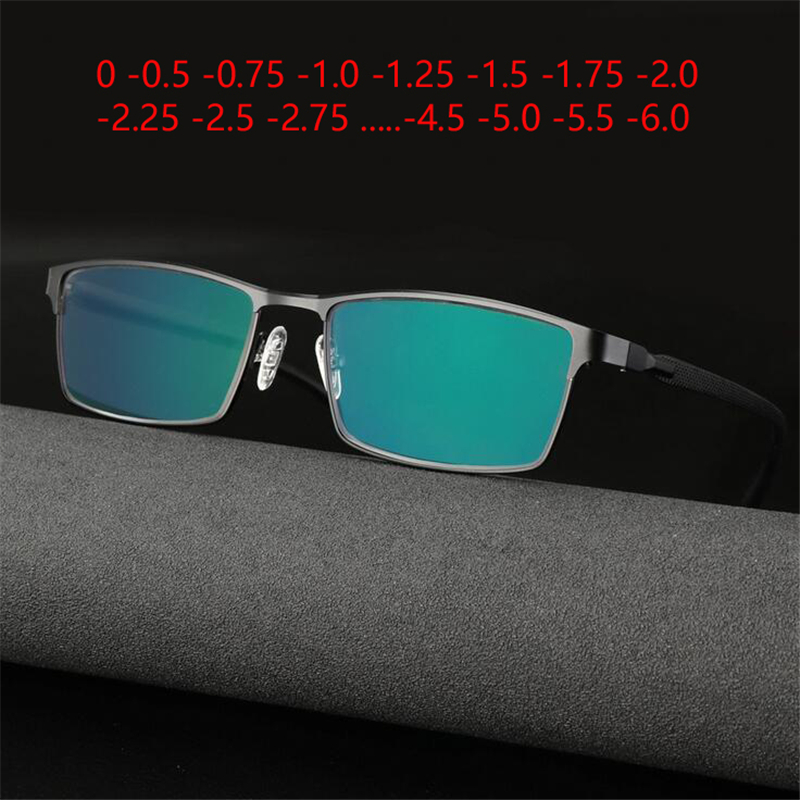 Photochromic Glasses (Lens)
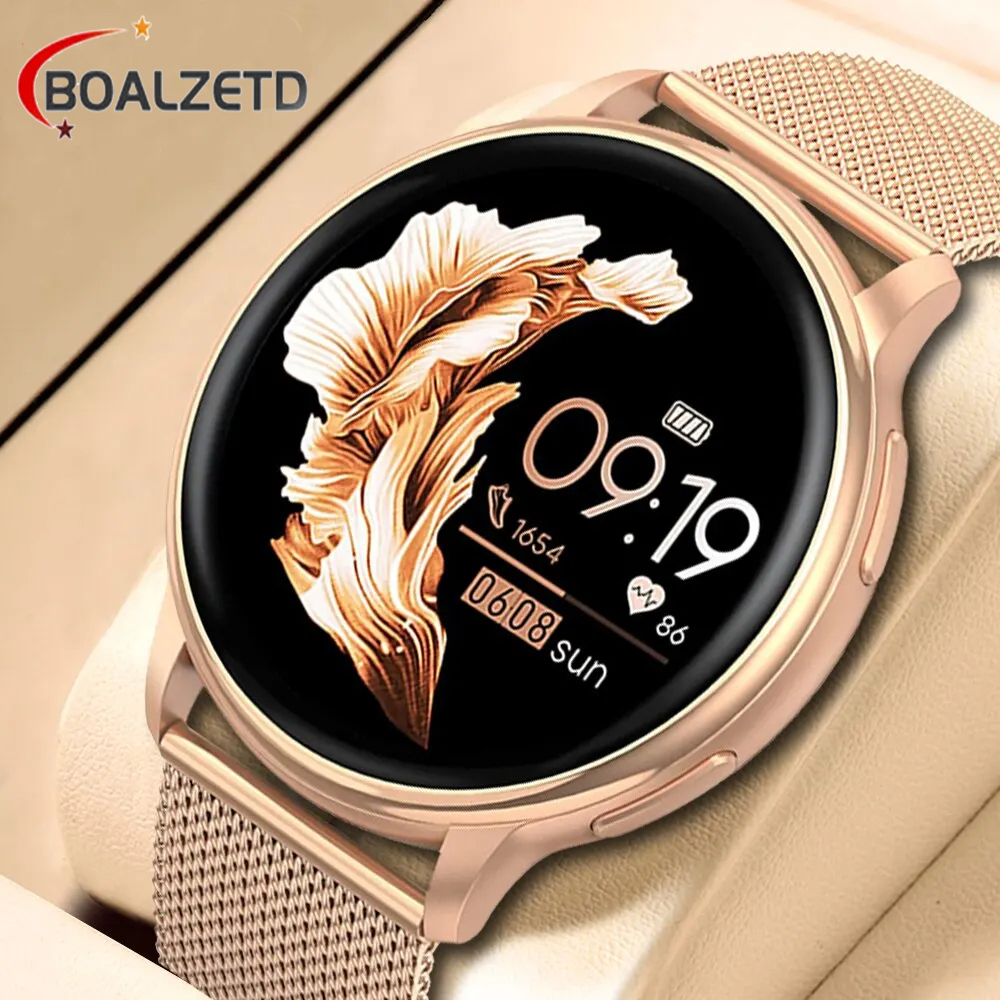 Smart watch
 Food and Groceries
 Animals & Pet Supplies
 Apparel & Accessories
 Arts & Entertainment
 Baby & Toddler
 Business & Industrial
 Cameras & Optics
 Electronics
 Food, Beverages & Tobacco
 Furniture
 Hardware
 Health & Beauty
 Home & Garden
 Luggage & Bags
 Mature
 Media
Media Office Supplies
 Religious & Ceremonial
 Software
 Sporting Goods
 Toys & Games
 Vehicles & Parts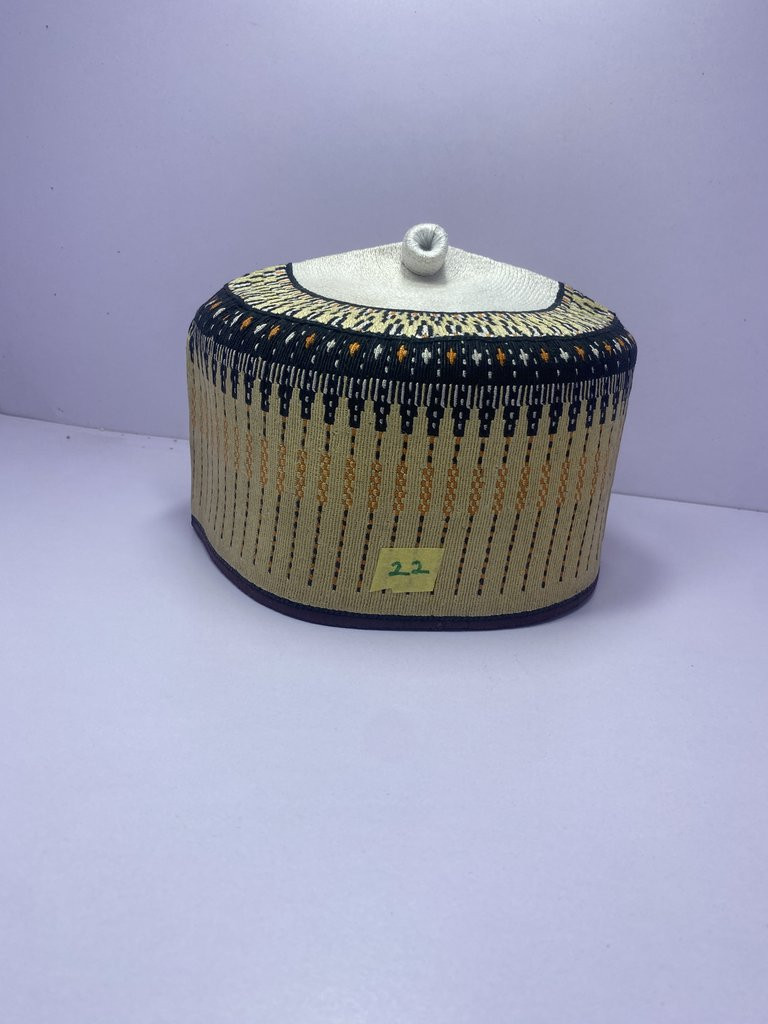
The Trillion-Naira Blind Spot: Why Nigerian E-commerce Brands Are Ignoring the Unbanked at Their Own Peril
Table of Contents
The Invisible Giant in the Room
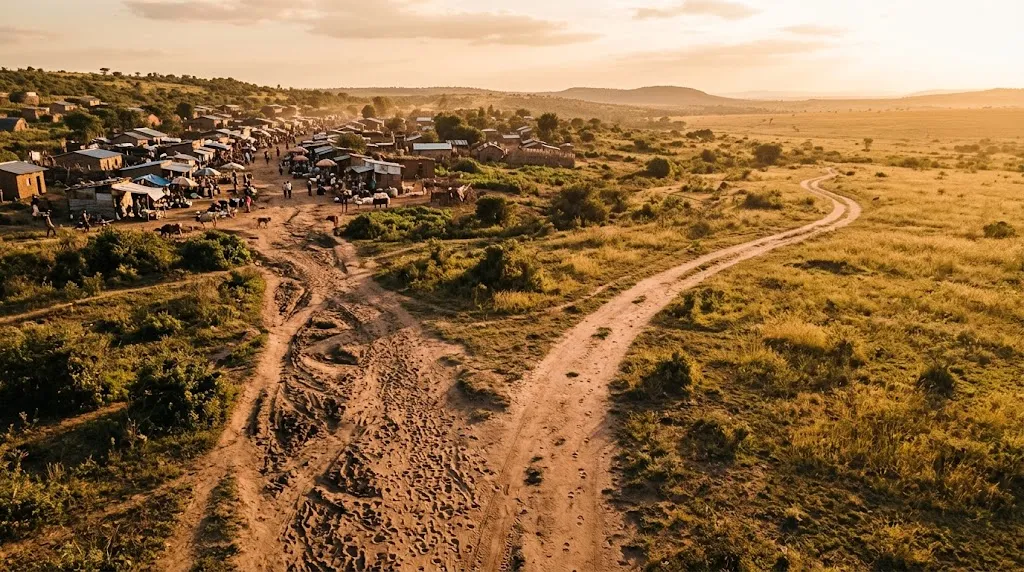
Imagine a bustling market day in Onitsha or the vibrant energy of Alaba International in Lagos. Thousands of transactions are happening every minute. Money is changing hands, goods are moving, and dreams are being funded. Yet, if you look closely at the digital landscape of Nigerian e-commerce, a massive portion of these energetic, hardworking individuals is being systematically locked out. We call them the 'unbanked,' but in reality, they are the heartbeat of our economy. If you are running an online business in Africa and your strategy doesn't deeply account for the man who keeps his savings in a wooden box or the trader who only trusts the 'naira-in-hand' philosophy, you aren't just missing a niche—you are ignoring the majority.
The Reality of the Nigerian 'Unbanked'
In Nigeria, being unbanked isn't always a sign of poverty; often, it is a choice born out of a deep-seated lack of trust in formal financial institutions and the digital systems that govern them. We have all heard the stories: 'I put money in the ATM, and it swallowed it without giving me cash,' or 'I made a transfer, and the money disappeared into thin air for two weeks.' For a small-scale entrepreneur or a rural farmer, those two weeks of 'missing' money mean no food on the table. This is why many Nigerians prefer to keep their liquidity physical. When an e-commerce platform insists on 'Card Payments Only,' they are effectively telling millions of potential customers: 'You are not welcome here.'
The Trust Deficit: 'What I Ordered vs. What I Got'
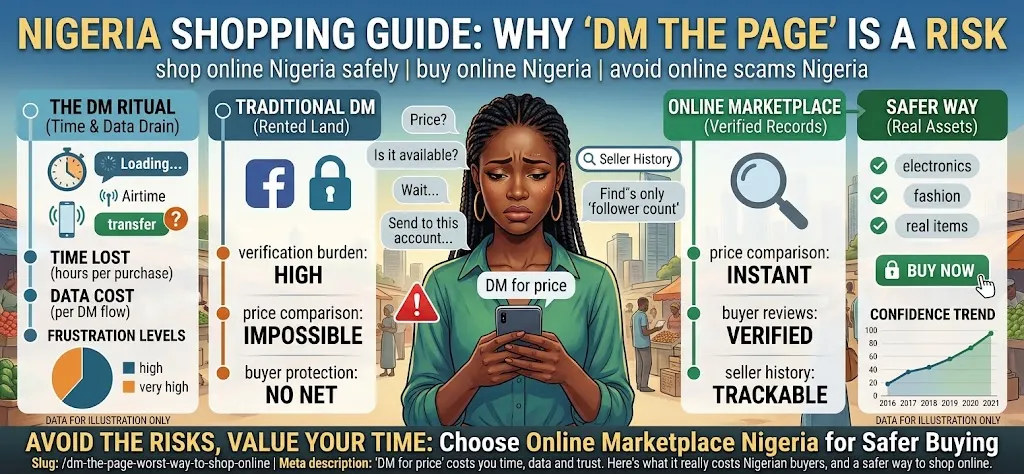
Beyond the lack of a bank account, there is the legendary Nigerian 'Trust Deficit.' We have been burnt too many times by the infamous 'What I ordered vs. What I got.' This skepticism is the primary barrier to digital adoption. For the unbanked customer, the fear is doubled. If they don't have a bank to initiate a chargeback or a digital trail to follow, they feel vulnerable. This is where Kanemtrade steps in. By focusing on verification and building a bridge of trust, we can begin to thaw this icy skepticism. A customer needs to know that the person on the other side of the screen isn't a ghost, but a verified merchant held accountable by a robust system.
The Power of Localized Logistics
Logistics in Nigeria is not for the faint of heart. From the 'go-slow' in Lagos to the vast distances between the southern ports and the northern markets, moving goods is a Herculean task. The unbanked customer lives in the 'Last Mile.' They are in the towns and villages where Google Maps might struggle to find a precise house number. To serve them, e-commerce brands must stop thinking like Silicon Valley startups and start thinking like Nigerian transporters. You need a logistics network that understands the terrain, speaks the local language, and—most importantly—is willing to handle cash. Cash-on-delivery isn't a 'backward' practice; in the African context, it is a sophisticated trust-building mechanism.
While we talk about the hustle of the Nigerian market, comfort is non-negotiable. Whether you are navigating the docks at Apapa or walking through the markets of Kano, your feet deserve better. We recommend the Summer Men's Thick-Soled Non-Slip Breathable Toe-Cap Sandals Casual Beach Slippers. These aren't just footwear; they are built for the Nigerian terrain—thick-soled for durability, non-slip for those rainy rainy days, and breathable for our tropical heat. A perfect blend of style and ruggedness for the modern African man.
Why Verification is the New Currency
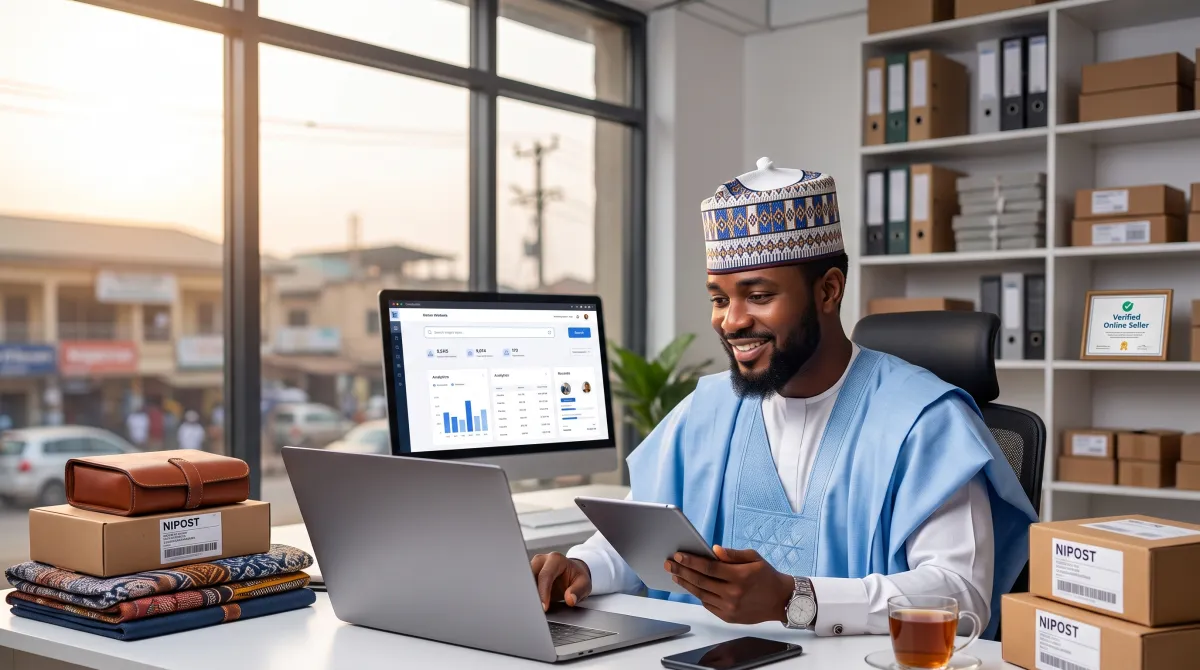
For the unbanked customer to transition into the digital space, they need more than just an app; they need an assurance. This is why Kanemtrade emphasizes the verification of sellers. When a customer knows that a platform has done the heavy lifting of vetting the merchant, the need for a physical bank as a 'safety net' diminishes. Trust becomes the currency. If we can guarantee that the product seen on the screen is exactly what arrives at the doorstep in Kaduna or Port Harcourt, we unlock a level of loyalty that no discount code could ever achieve.
The Economic Peril of Exclusion
Why is it 'at your own peril' to ignore this group? Because the unbanked are the ones driving the informal sector, which contributes significantly to Nigeria's GDP. As digital literacy grows, these individuals are looking for ways to improve their lives through better products and services. If your e-commerce brand isn't there to meet them with flexible payment options, localized pickup points, and a human-centric approach, your competitor will be. You are essentially handing over a trillion-naira market to anyone willing to speak the language of the people.
Bridging the Gap: The Way Forward
- Agent Networks: Utilizing local shops as 'human ATMs' where unbanked customers can pay for their online orders.
- Hyper-Local Logistics: Partnering with local transporters who know the 'shortcuts' and the community.
- Simplified Interfaces: Designing apps that even a non-tech-savvy trader can navigate with ease.
- Community-Based Trust: Leveraging social proof and local testimonials to build brand authority.
Conclusion: The Future is Inclusive
The future of e-commerce in Nigeria isn't just about the elites in Victoria Island or Maitama. It is about the millions of people in the heart of the country who are ready to spend but are waiting for a platform that respects their way of life. By integrating trust, leveraging the Kanemtrade verification model, and mastering the complexities of Nigerian logistics, we can build a digital economy that leaves no one behind. Don't wait until the 'unbanked' are fully 'banked' to start selling to them. By then, the door might already be closed. The time to build that bridge is now.






comments (0)
Leave a Comment