 Phones and Accessories
 Computers and Accessories
 Men Clothing & Fashion
 Women Clothing and Fashion
 Home Improvement & Tools
 Jewelry & Accessories
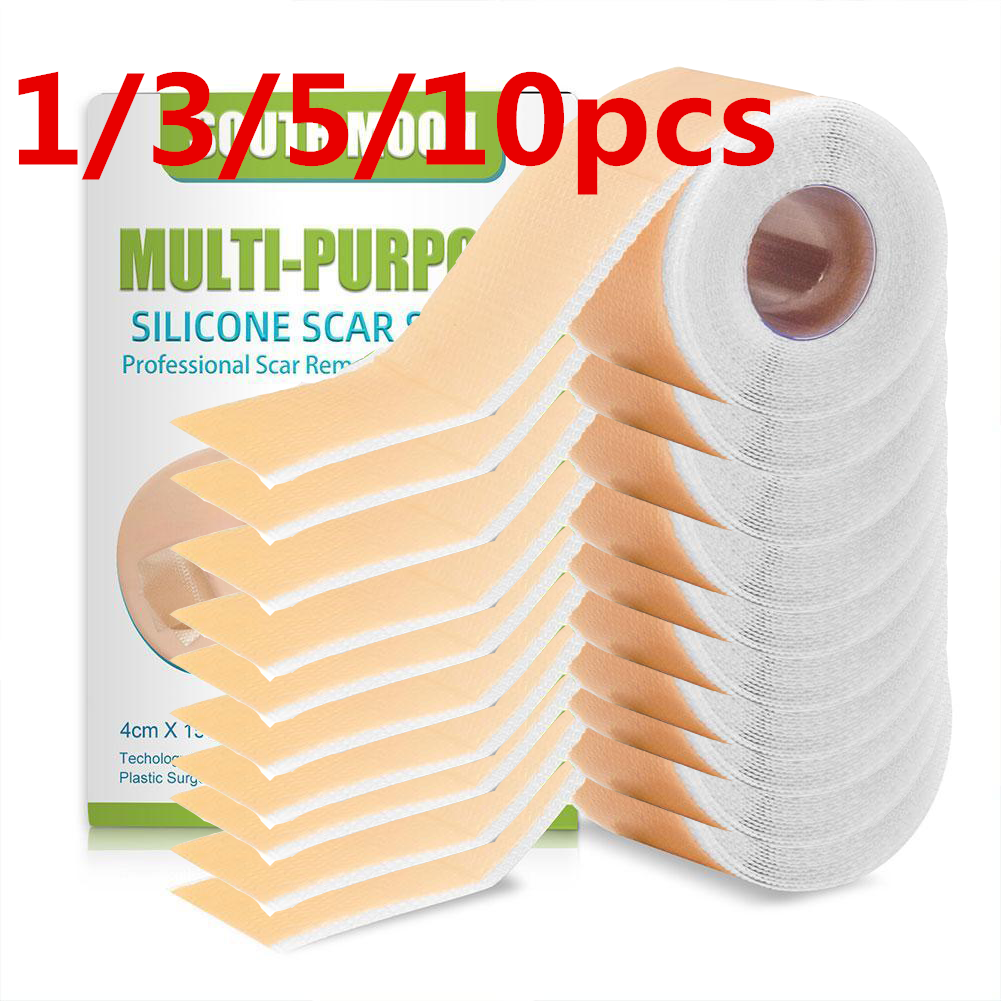 Health and Beauty
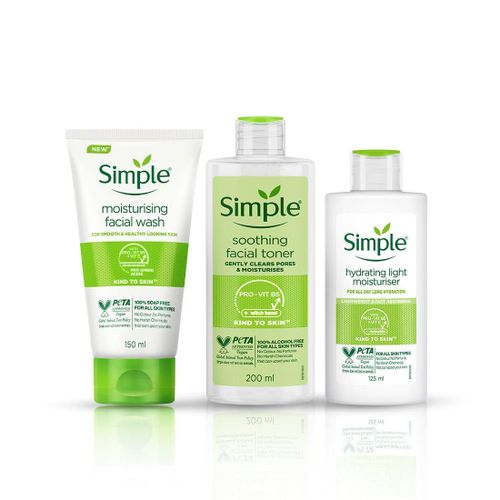 Skincare
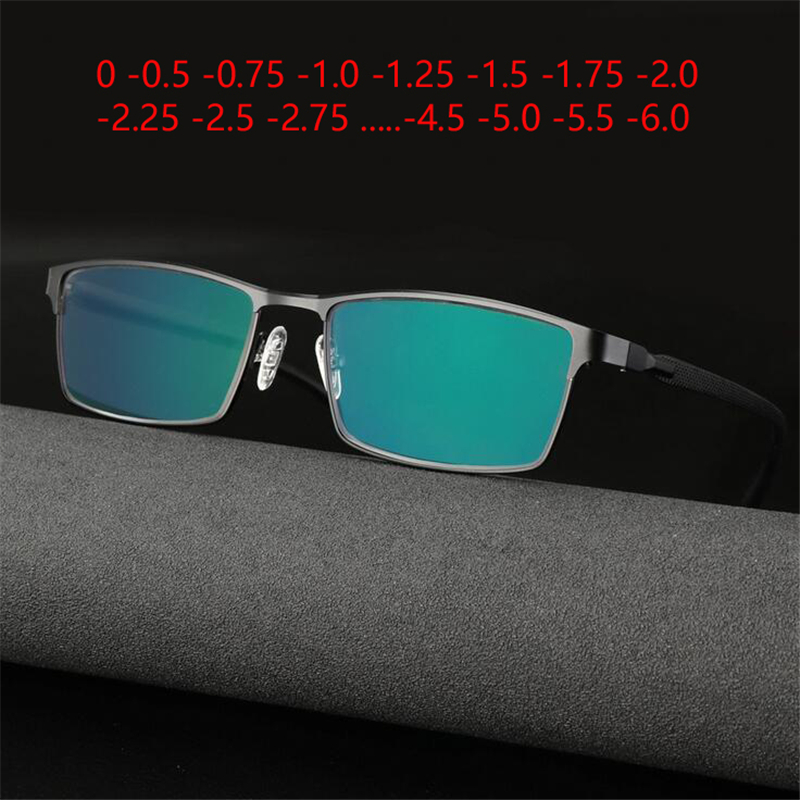 Photochromic Glasses (Lens)
 Smart watch
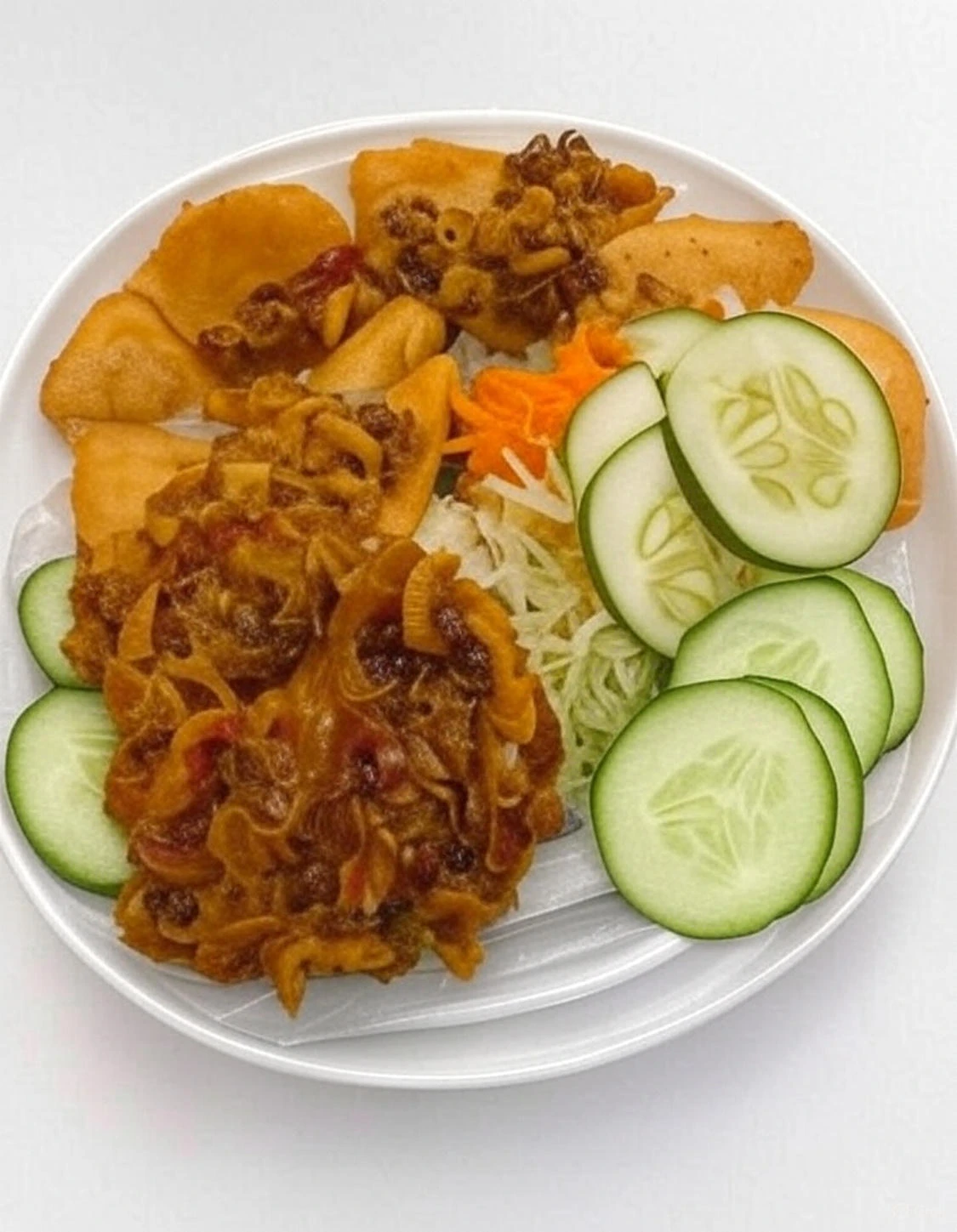 Food and Groceries
 Animals & Pet Supplies
 Apparel & Accessories
 Arts & Entertainment
 Baby & Toddler
 Business & Industrial
 Cameras & Optics
 Electronics
 Food, Beverages & Tobacco
 Furniture
 Hardware
 Health & Beauty
 Home & Garden
 Luggage & Bags
 Mature
 Media
Media Office Supplies
 Religious & Ceremonial
 Software
 Sporting Goods
 Toys & Games
 Vehicles & Parts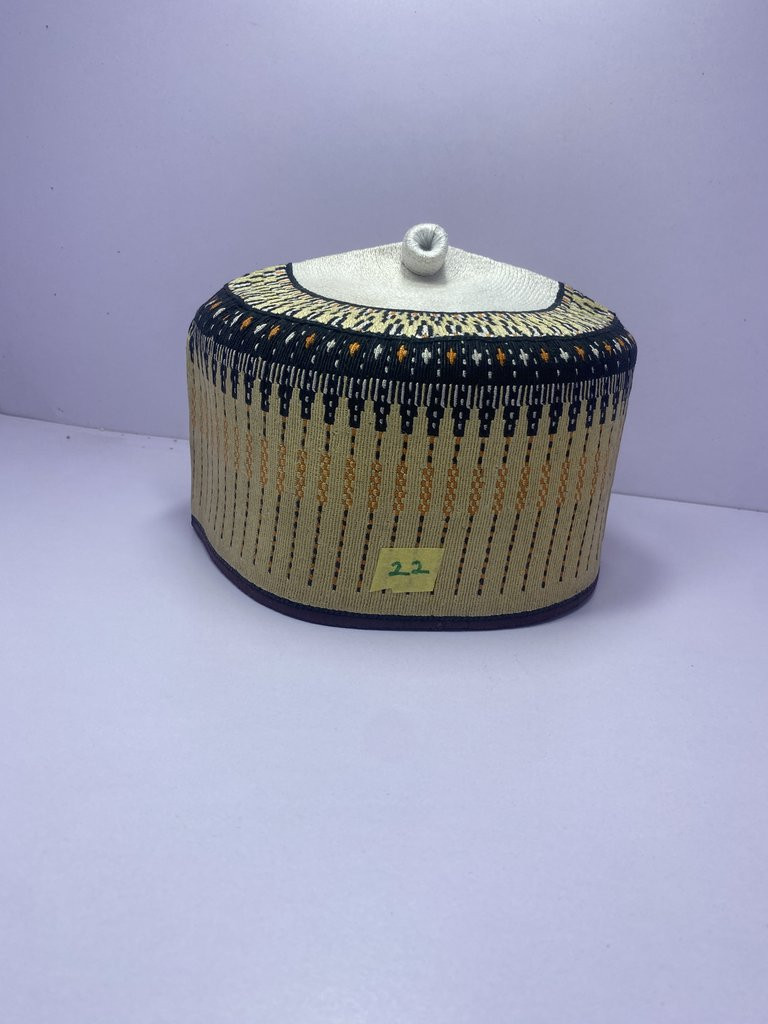
The 'Pop-Up Shop' Trap: Why You’re Paying 100k for a Stall to Sell 10k Products
Table of Contents
The Glittering Dream of the Nigerian Trade Fair The Mathematics of Despair: Breaking Down the ROI Why the 'Pop-Up' Culture is Broken How to Reclaim Your Capital Conclusion: Don't Be a 'Vibe' Business The Trust Deficit and the 'Physical Presence' Myth Editor’s Choice: The Maimala Advantage The Logistics Trap: Beyond the Stall

The Glittering Dream of the Nigerian Trade Fair
Picture this: It is a sunny Saturday morning in Lagos. You have spent the last three nights awake, tagging clothes, polishing shoes, or carefully packaging your homemade skincare line. You saw the flyer on Instagram—bold gold letters promising 'Thousands of High-Net-Worth Shoppers' and 'Maximum Visibility' at a posh event center in Victoria Island or Maitama. You took 100,000 Naira from your hard-earned savings to secure a 'Standard Stall.' You even spent an extra 30,000 Naira on a beautiful backdrop and a branded tablecloth.
By 2:00 PM on the day of the event, the reality sets in. The 'thousands of shoppers' turn out to be other vendors walking around to see who is selling what, or teenagers looking for free samples and the perfect lighting for their TikTok videos. By the end of the day, you have made exactly 10,000 Naira in sales. Your heart sinks. After transportation, feeding yourself for the day, and paying for the stall, you are not just in the red—you are buried under it. This is the 'Pop-Up Shop' scam, and it is time we talked about why the numbers simply don't add up for the average Nigerian small business owner.
The Mathematics of Despair: Breaking Down the ROI
Let’s look at the cold, hard facts. In the Nigerian entrepreneurship space, we often prioritize 'vibes' and 'visibility' over actual Return on Investment (ROI). When an organizer asks for 100,000 Naira for a 6x6 foot space, they are selling you a dream, not a guaranteed market. To break even on that 100k stall—assuming your profit margin is 20%—you need to sell 500,000 Naira worth of goods in a single day.
How many small businesses can realistically move half a million Naira in inventory at a one-day fair?
- The Logistics Nightmare: Moving your goods from the mainland to the island, or across cities like Port Harcourt or Abuja, involves high costs. With the current fuel prices and the unpredictability of Nigerian logistics, you are already spending 15k-20k just to get your products to the venue.
- The Opportunity Cost: The two weeks you spent preparing for the fair is time you didn't spend on digital marketing, customer follow-ups, or improving your product quality.
- The Hidden Fees: Many organizers forget to mention that you need to pay for extra chairs, a cooling fan, or even access to a power point to charge your POS machine.
The Trust Deficit and the 'Physical Presence' Myth
Many vendors fall into the pop-up trap because they believe they need a physical presence for customers to trust them. In a country where 'What I ordered vs. What I got' is a national anthem, trust is currency. However, paying 100k for a temporary stall is the most expensive way to build that trust. Verification shouldn't cost you your entire monthly profit. This is where platforms like Kanemtrade come in, offering a more sustainable way to verify your business and reach customers without the overhead of a physical tent that will be dismantled in eight hours.
Editor’s Choice: The Maimala Advantage
While navigating the treacherous waters of Nigerian retail, smart vendors are shifting from high-rent events to high-quality inventory that sells itself. Maimala has emerged as a top-tier choice for entrepreneurs who value quality over hype. Whether you are selling online or at a curated boutique, the Maimala range offers the kind of durability and aesthetic appeal that keeps customers coming back without you needing to shout or dance at a pop-up stall to get attention. It is the 'work smarter, not harder' choice for the modern African business owner.
Why the 'Pop-Up' Culture is Broken
The organizers of these fairs are often the only ones making a guaranteed profit. They rent a hall for 1 million Naira, divide it into 50 stalls, and charge 100k each. Do the math: they are making 5 million Naira, while you are struggling to sell a pair of slippers. The marketing for these events is often targeted at vendors to buy stalls, rather than at customers to come and buy products. If you see more ads telling you to 'Book Your Stand' than ads telling people to 'Come and Shop,' you are the product, not the partner.
The Logistics Trap: Beyond the Stall
Logistics in Nigeria remains the biggest hurdle for e-commerce. Even if you do make sales at a pop-up shop, the stress of delivery often eats into the remaining profit. We see vendors struggling to coordinate with dispatch riders while trying to attend to a customer at their stall. It is chaotic. Real growth comes from streamlined systems. Instead of chasing the high of a one-day event, investing in Kanemtrade's ecosystem for logistics and verified trading ensures that your business can run 24/7, 365 days a year, rather than just on a random Saturday in December.
How to Reclaim Your Capital
If you have 100,000 Naira to spend on your business today, here is a better way to use it than giving it to a trade fair organizer:
- Targeted Digital Ads: 50,000 Naira on well-researched Instagram or Facebook ads can put your products in front of 50,000 interested buyers, not just the 200 people walking past a stall.
- Content Creation: Use 20,000 Naira to hire a good photographer or buy a ring light and backdrop to make your products look premium online.
- Verification and SEO: Spend time and a little capital getting your business registered and listed on platforms like Kanemtrade where people actually search for wholesale and retail partners.
- Inventory Quality: Use the remaining balance to stock up on high-demand items like Maimala that have a proven track record of customer satisfaction.
Conclusion: Don't Be a 'Vibe' Business
The 'Pop-Up Shop' can be a great tool for brand awareness if you have the budget to burn. But for the small business owner struggling to scale, it is often a trap. We must move away from the 'hustle' of carrying boxes in the sun and move toward the 'strategy' of sustainable e-commerce. Focus on building trust through verification, perfecting your logistics, and selling products that speak for themselves. Don't let the glitter of a 100k stall blind you to the reality of your balance sheet. In the end, your business survives on profit, not on how many people saw your logo at a fair.
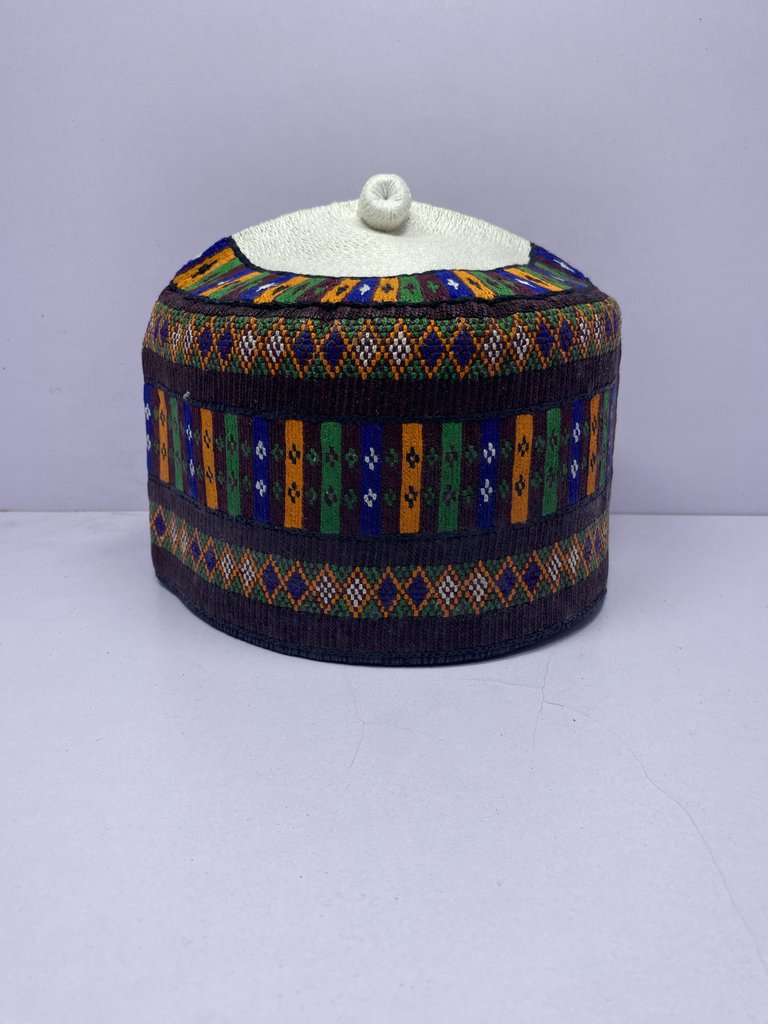
Featured Products







comments (0)
Leave a Comment