 Phones and Accessories
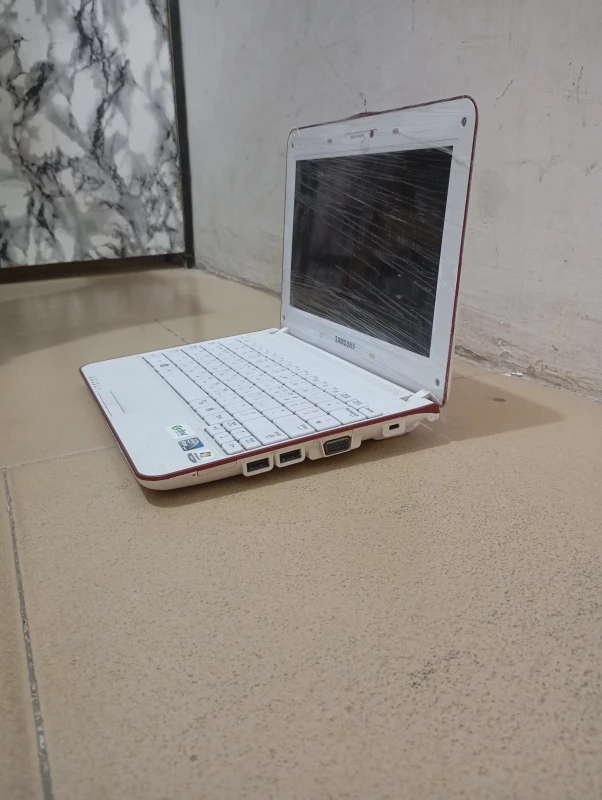 Computers and Accessories
 Men Clothing & Fashion
 Women Clothing and Fashion
 Home Improvement & Tools
 Jewelry & Accessories
 Health and Beauty
 Skincare
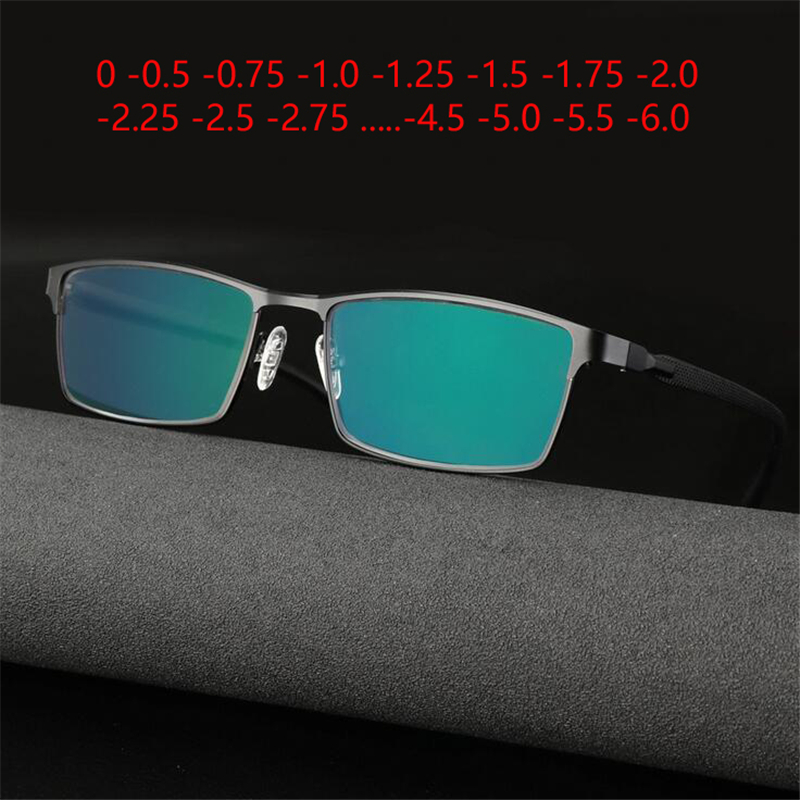 Photochromic Glasses (Lens)
 Smart watch
 Food and Groceries
 Animals & Pet Supplies
 Apparel & Accessories
 Arts & Entertainment
 Baby & Toddler
 Business & Industrial
 Cameras & Optics
 Electronics
 Food, Beverages & Tobacco
 Furniture
 Hardware
 Health & Beauty
 Home & Garden
 Luggage & Bags
 Mature
 Media
Media Office Supplies
 Religious & Ceremonial
 Software
 Sporting Goods
 Toys & Games
 Vehicles & Parts
The 'Keep the Change' Economy: Why Every Kobo and Naira Counts in Nigeria’s Digital Wave
Table of Contents
The Rhythm of the Nigerian Marketplace The Psychology of the Small Purchase The Logistics of a Nation Why Small Transactions Lead to Big Growth The Future is Granular Conclusion: Embracing the Small Wins Breaking the Barrier of Trust Editor's Choice: Seamless Tech for the Everyday Hustle The Role of Verification in the Micro-Economy

The Rhythm of the Nigerian Marketplace
Walk through the bustling streets of Balogun Market in Lagos or the vibrant alleys of Wuse Market in Abuja, and you will hear a familiar sound. It is the clinking of coins—though rarer now—and the rustle of lower-denomination notes. But more importantly, you will hear a phrase that defines the Nigerian spirit of generosity and efficiency: 'Keep the change.' In our physical world, this small gesture is often a matter of convenience, a way to save time, or a small tip for a job well done. However, as we transition into an increasingly digital landscape, this 'change' is no longer just a leftover amount. It is becoming the very foundation of a new economic movement: the Micro-transaction Economy.
For the average Nigerian, every Naira is a product of hard work. We are a people of the 'hustle,' and we understand value better than anyone. Yet, for a long time, the digital world felt like it was only for 'big' purchases. You went online to buy a laptop or a television. But what about the small things? What about the 500 Naira subscription, the 1,000 Naira gadget accessory, or the small digital tool that makes life easier? This is where the 'Keep the Change' economy lives, and it is finally taking root in Africa.
The Psychology of the Small Purchase
Why do micro-transactions matter so much in the Nigerian context? It comes down to the psychology of risk. In an environment where trust has often been compromised by 'what I ordered vs. what I got,' spending a large sum of money online feels like a gamble. But a micro-transaction? That feels like an invitation. It is a low-risk way for the Nigerian consumer to test the waters of e-commerce. It is the digital equivalent of buying a 'taster' at a fruit stall before committing to a whole basket.
When we talk about the 'Keep the Change' economy, we are talking about accessibility. It is about making premium experiences available to the person who can only spare a small amount at a time. This democratizes technology. It ensures that the student in UNILAG, the entrepreneur in Aba, and the civil servant in Kaduna can all participate in the global digital marketplace without breaking the bank.
Breaking the Barrier of Trust
The biggest hurdle to this economy has always been trust. How do you know that the small amount you are sending into the digital void will actually result in a product at your doorstep? This is where Kanemtrade has stepped in to change the narrative. By focusing on verification and transparency, they are building the bridges necessary for micro-transactions to thrive. When a platform takes the time to verify sellers and ensure that even the smallest item is genuine, it honors the customer's 'change' as much as their millions.
The Logistics of a Nation
In Nigeria, logistics is the heartbeat of e-commerce. You can have the best app and the best prices, but if the product cannot navigate the 'go-slow' of Lagos or the vast distances between southern ports and northern markets, the system fails. The 'Keep the Change' economy relies on efficient logistics. If you are buying a small item, the shipping cost cannot be three times the price of the item itself. That is why localized logistics solutions and smart warehousing are essential.
Kanemtrade understands that shipping a small parcel to a remote village in Borno or a busy street in Port Harcourt requires more than just a bike and a rider. It requires a system of trust. It requires knowing that the item is tracked and that the delivery person is accountable. This infrastructure is what allows a micro-transaction to feel like a major win for the consumer.
Editor's Choice: Seamless Tech for the Everyday Hustle
While we navigate this economy of value, some products stand out as the perfect example of high-end utility meeting affordable entry points. The Xiaomi Mijia Bone Conduction Earphones Bluetooth Wireless Mic Headset IP68 Waterproof 32GB MP3 Player Hifi Swimming Headphone is a testament to how far technology has come. Designed for those who are always on the move—whether you are dodging rain in the rainy season (thanks to that IP68 waterproofing) or needing to stay aware of your surroundings in a busy city—these earphones represent the kind of smart investment that fits perfectly into a value-conscious lifestyle. It is not just a gadget; it is a tool for the modern Nigerian who values both safety and sound.
Why Small Transactions Lead to Big Growth
It is easy to dismiss small amounts, but when you multiply a few hundred Naira by the millions of active mobile users in Nigeria, you get a financial powerhouse. This is the 'long tail' of economics. Micro-transactions allow small businesses to scale. A local creator can sell a digital guide for a small fee, or a small-scale importer can move high volumes of affordable accessories through Kanemtrade, reaching customers they never could have reached through a physical shopfront.
Moreover, these transactions build a credit history for the unbanked and underbanked. Every time you successfully complete a small purchase on a verified platform, you are contributing to a digital footprint that says, 'I am a reliable consumer.' This is the first step toward wider financial inclusion for millions of Africans.
The Role of Verification in the Micro-Economy
We cannot talk about the 'Keep the Change' economy without talking about the fear of scams. In Nigeria, we are rightfully protective of our resources. Verification is the 'secret sauce.' When you see a verified tag on Kanemtrade, it acts as a digital handshake. It says that the seller has been vetted, the product exists, and the logistics chain is ready to move. This level of security is what turns a one-time buyer into a loyal customer. It transforms the 'Keep the Change' philosophy from a slogan into a sustainable business model.
The Future is Granular
As we look toward the future, the Nigerian economy will become increasingly granular. We will see more pay-as-you-go services, more fractional ownership, and more micro-products. This is not a sign of poverty, but a sign of economic sophistication. It is an adaptation to our environment, our cash flow patterns, and our cultural preference for flexibility.
The 'Keep the Change' economy is about respect. It is about platforms respecting the consumer enough to offer quality at every price point. It is about the consumer respecting the process enough to engage with digital systems. And it is about companies like Kanemtrade ensuring that the entire journey—from the first click to the final delivery—is handled with the professional care that Nigerians deserve.
Conclusion: Embracing the Small Wins
So, the next time you think about an online purchase, don't just look at the big-ticket items. Look at the small ways you can improve your life. Look at the micro-transactions that add up to major convenience. Whether it's a small tool, a piece of helpful tech, or a digital service, remember that in the new Nigerian economy, your 'change' is a powerful tool for growth.
Support verified platforms, demand excellent logistics, and don't be afraid to start small. The digital revolution isn't just coming in waves of billions; it’s coming in the steady, unstoppable flow of every single Kobo. Let's build this future together, one small, trusted transaction at a time.








comments (0)
Leave a Comment