 Phones and Accessories
 Computers and Accessories
 Men Clothing & Fashion
 Women Clothing and Fashion
 Home Improvement & Tools
 Jewelry & Accessories
 Health and Beauty
 Skincare
 Photochromic Glasses (Lens)
 Smart watch
 Food and Groceries
 Animals & Pet Supplies
 Apparel & Accessories
 Arts & Entertainment
 Baby & Toddler
 Business & Industrial
 Cameras & Optics
 Electronics
 Food, Beverages & Tobacco
 Furniture
 Hardware
 Health & Beauty
 Home & Garden
 Luggage & Bags
 Mature
 Media
Media Office Supplies
 Religious & Ceremonial
 Software
 Sporting Goods
 Toys & Games
 Vehicles & Parts
The 'Foreign Used' Obsession: Why Nigerians Fear 'New' and How We Can Bridge the Trust Gap
Table of Contents
The Allure of the 'London Used' Label The Psychology of the Trust Deficit The Logistics and Verification Nightmare Breaking the Cycle: How 'New' Can Win Conclusion: A Future Beyond Tokunbo The Perception of Durability Editor’s Choice: Global Standards, Local Access The Role of Kanemtrade in the New Economy

The Allure of the 'London Used' Label
Walk through the bustling aisles of Computer Village in Ikeja or the winding paths of Alaba International Market, and you will hear a phrase repeated like a sacred mantra: 'Tokunbo quality.' In Nigeria, the obsession with 'Foreign Used' items isn't just a shopping preference; it is a deeply ingrained cultural psyche. From iPhones and laptops to cars and even designer wears, the average Nigerian consumer would rather gamble on a second-hand item from Europe or America than take a chance on a brand-new product sitting on a local shelf. But why does 'New' struggle so much in the Giant of Africa?
The Psychology of the Trust Deficit
The root of the 'Foreign Used' obsession lies in a historical trust deficit. For decades, the Nigerian market has been a dumping ground for substandard new products. When a consumer buys a 'New' electrical appliance that sparks and dies within forty-eight hours, and then buys a 'Foreign Used' equivalent that lasts for ten years, a mental association is formed. We have come to believe that foreign standards—even at their used stage—are exponentially superior to whatever is packaged as 'New' for the African market.
This is the emotional hurdle that new Nigerian products and even brand-new imports face. There is a fear that 'New' might mean 'Refurbished and repackaged' or 'Lower-tier production for developing nations.' This skepticism makes the job of a local entrepreneur twice as hard. You aren't just selling a product; you are fighting a ghost of past disappointments.
The Perception of Durability
In a volatile economy where the Naira fluctuates and every kobo counts, the Nigerian shopper views every purchase as an investment. We don't just buy clothes; we buy what can be passed down to a younger sibling. We don't just buy gadgets; we buy what can be resold three years later. The 'Foreign Used' tag carries a promise of ruggedness. People believe that if a product was meant for the UK or US market, it was built to last, whereas 'New' products in our local stores are often viewed with a side-eye of suspicion.
The Logistics and Verification Nightmare
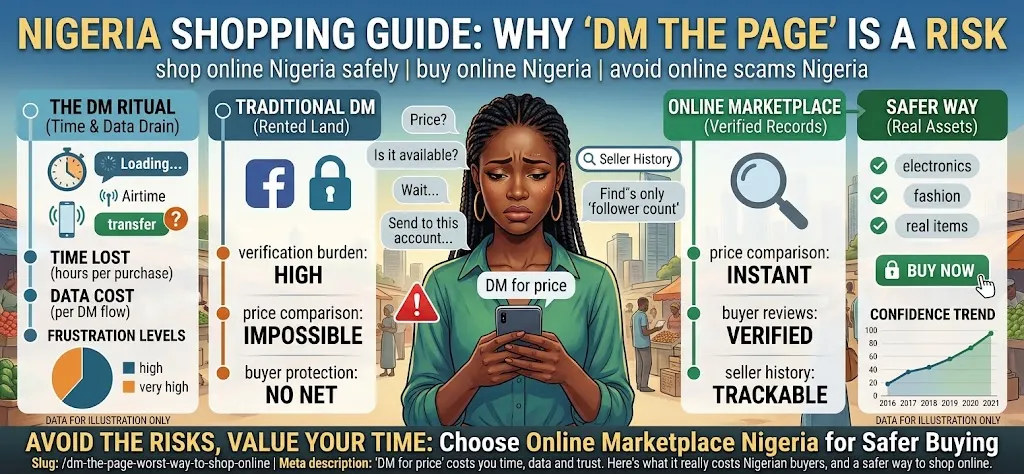
One of the biggest reasons 'New' products struggle is the lack of a transparent verification system. When you buy a Tokunbo car, you look for the 'shipped' stickers and the foreign service history. When you buy a new product online in Nigeria, you are often left at the mercy of the seller. This is where Kanemtrade enters the conversation as a disruptor.
The logistics of trust are expensive. Moving goods from a warehouse in Lagos to a customer in Maiduguri or Port Harcourt requires more than just a bike and a rider; it requires a system that guarantees the product seen is the product delivered. Without robust logistics and a verification process that protects the buyer, 'New' will always lose to the 'Foreign Used' item that a buyer can physically touch and test in an open market.
Editor’s Choice: Global Standards, Local Access
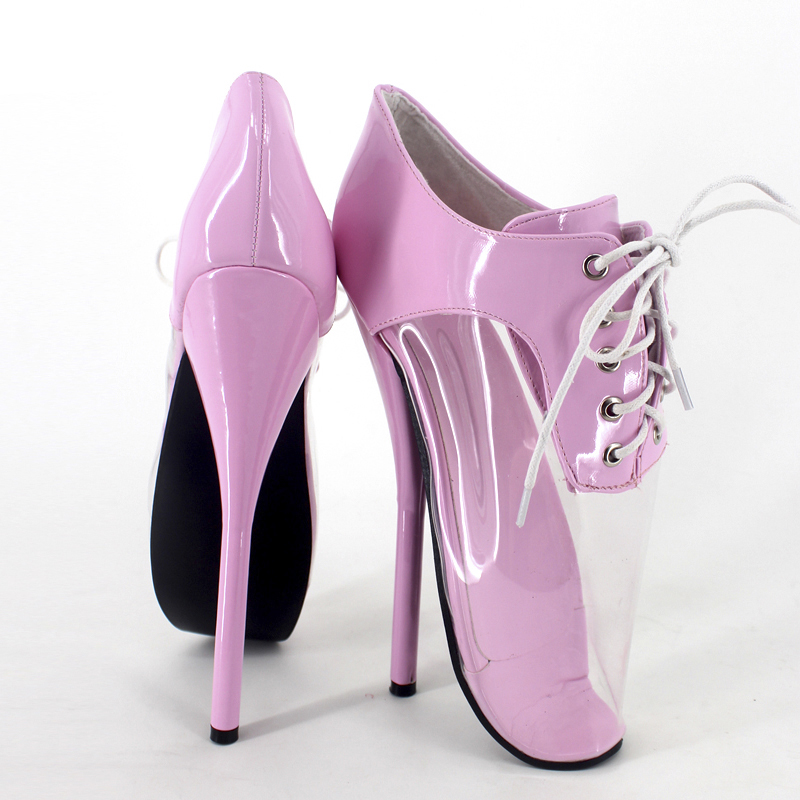
While we navigate the complexities of product trust in Nigeria, every now and then, a piece of fashion emerges that bridges the gap between high-end international aesthetics and local availability. Our editors recently verified the Transparent PVC Sexy Women Pumps Shoes 18CM Super High Ballet Heels Size 36-46. These aren't just shoes; they are a statement of uncompromising quality that challenges the 'used is better' narrative. Perfect for the bold Nigerian woman who demands the durability of foreign standards in a pristine, new package.
Breaking the Cycle: How 'New' Can Win
To win the heart of the Nigerian consumer, brands must move beyond flashy marketing and focus on verification and transparency. We need to see that 'New' doesn't mean 'Fragile.' Here are a few ways the narrative is shifting:
- Warranty and After-Sales Support: Local sellers who offer genuine warranties are slowly chipping away at the Tokunbo dominance.
- Verification Systems: Platforms like Kanemtrade are essential in providing the logistics backbone that ensures consumers aren't being scammed by 'What I ordered vs. What I got.'
- Educational Content: Brands need to show the manufacturing process, proving that their new items meet the same international standards as the used ones people crave.
The Role of Kanemtrade in the New Economy
Logistics in Nigeria has long been a barrier to trade. If a customer in a remote part of the country wants a high-quality new product but doesn't trust the local delivery system, they will default to the used item in their local market. Kanemtrade is bridging this gap by ensuring that high-quality, new products can move across the country with a level of accountability that breeds trust. When logistics are verified, the 'New' product stops being a risk and starts being an opportunity.
Conclusion: A Future Beyond Tokunbo
The obsession with 'Foreign Used' products is a symptom of a market that has been starved of quality assurance. Nigerians don't hate new things; they hate being cheated. As we build better verification systems, improve our logistics through platforms like Kanemtrade, and demand higher standards from local retailers, the 'Foreign Used' obsession will evolve. We are moving toward a future where a Nigerian can click 'Buy' on a brand-new item with the same confidence they feel when inspecting a London-used gem. Quality is not a location; it is a standard, and it is time we brought that standard home.






comments (0)
Leave a Comment