
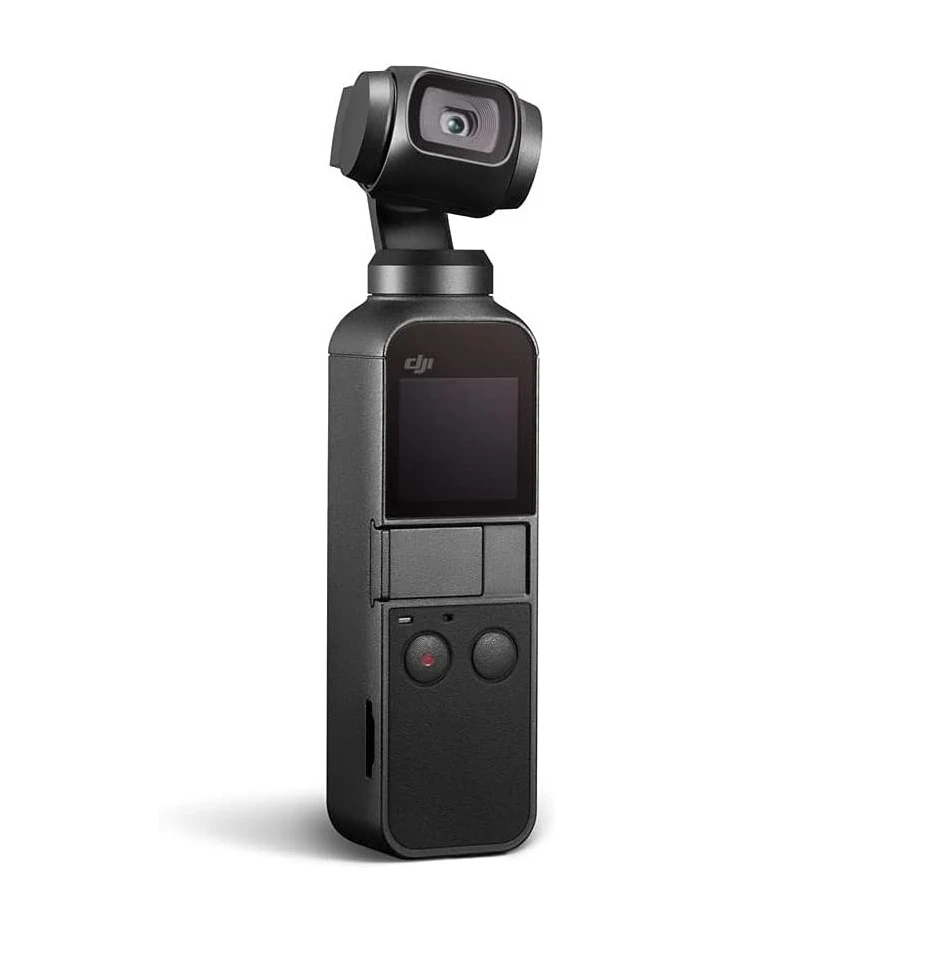
 Phones and Accessories
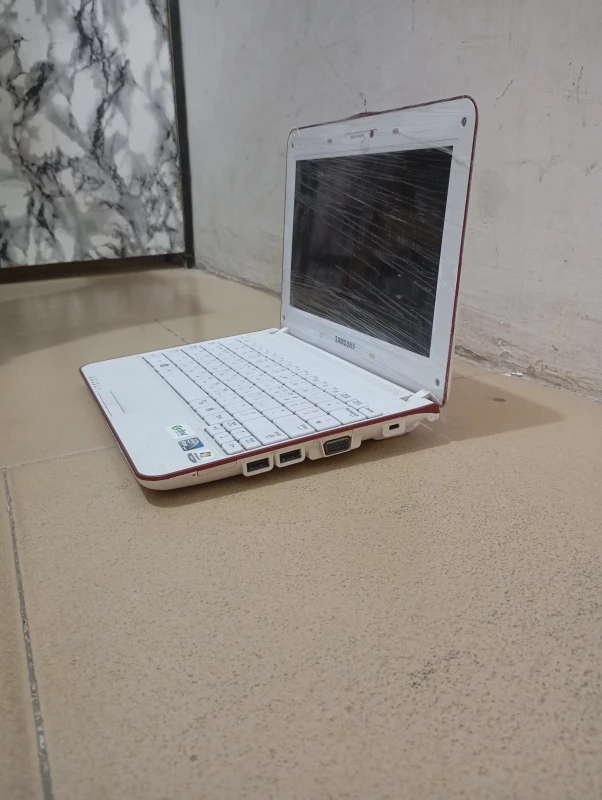 Computers and Accessories
 Men Clothing & Fashion
 Women Clothing and Fashion
 Home Improvement & Tools
 Jewelry & Accessories
 Health and Beauty
 Skincare
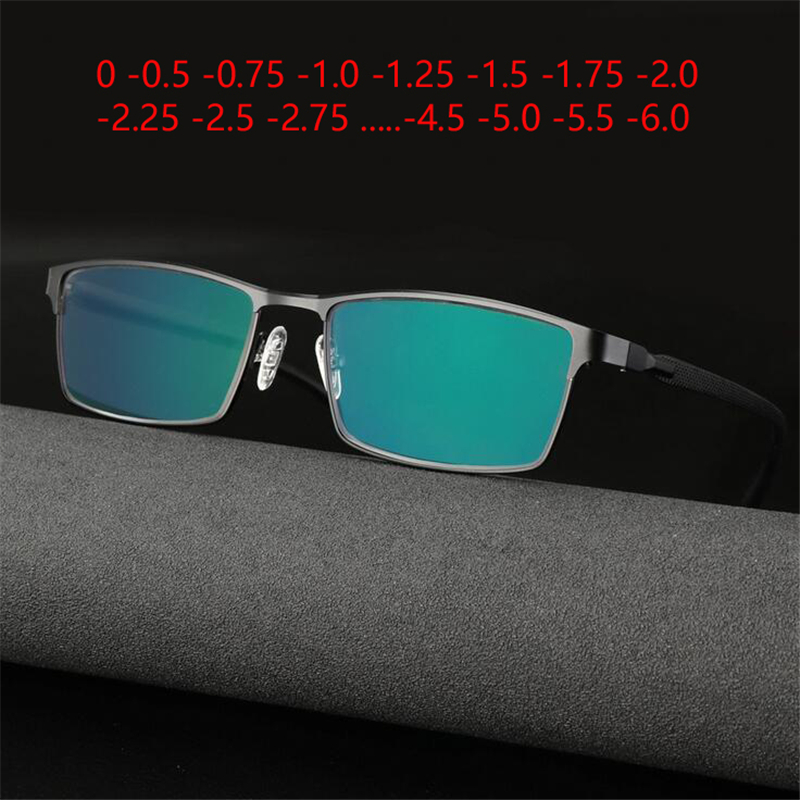 Photochromic Glasses (Lens)
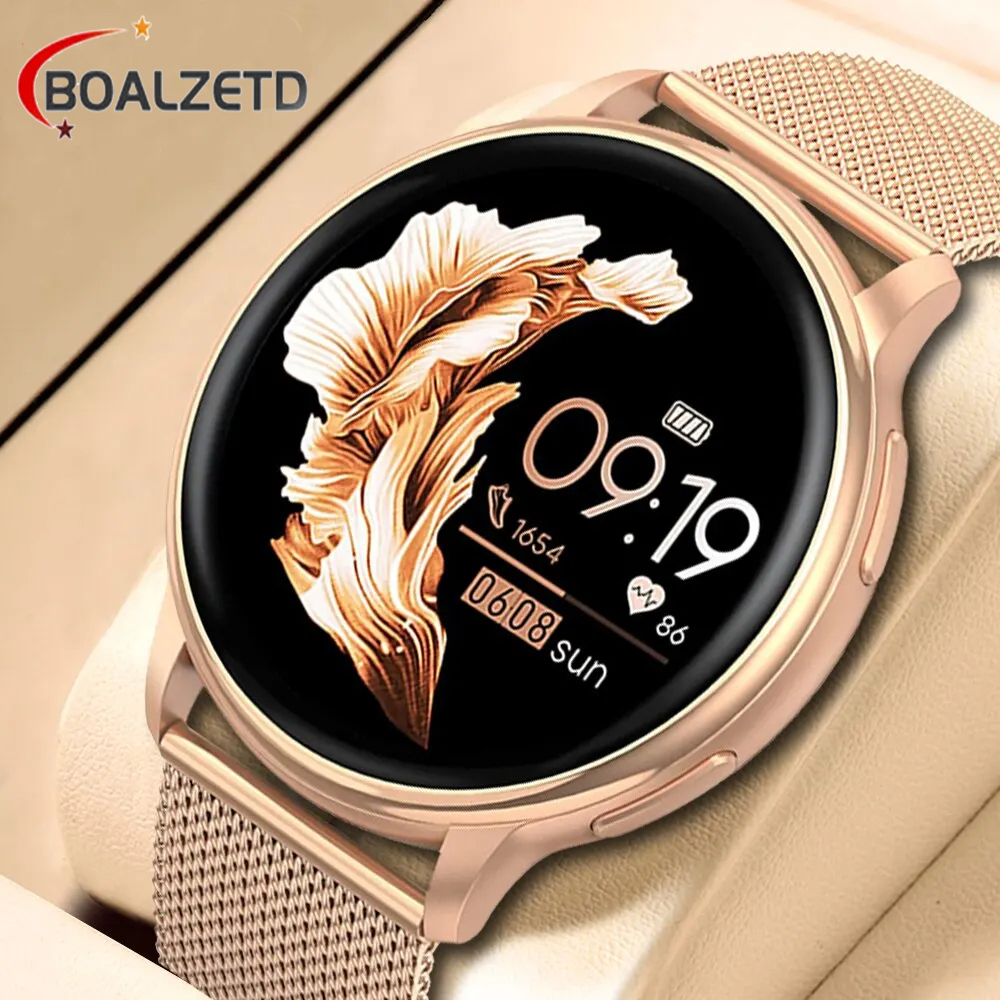 Smart watch
 Food and Groceries
 Animals & Pet Supplies
 Apparel & Accessories
 Arts & Entertainment
 Baby & Toddler
 Business & Industrial
 Cameras & Optics
 Electronics
 Food, Beverages & Tobacco
 Furniture
 Hardware
 Health & Beauty
 Home & Garden
 Luggage & Bags
 Mature
 Media
Media Office Supplies
 Religious & Ceremonial
 Software
 Sporting Goods
 Toys & Games
 Vehicles & Parts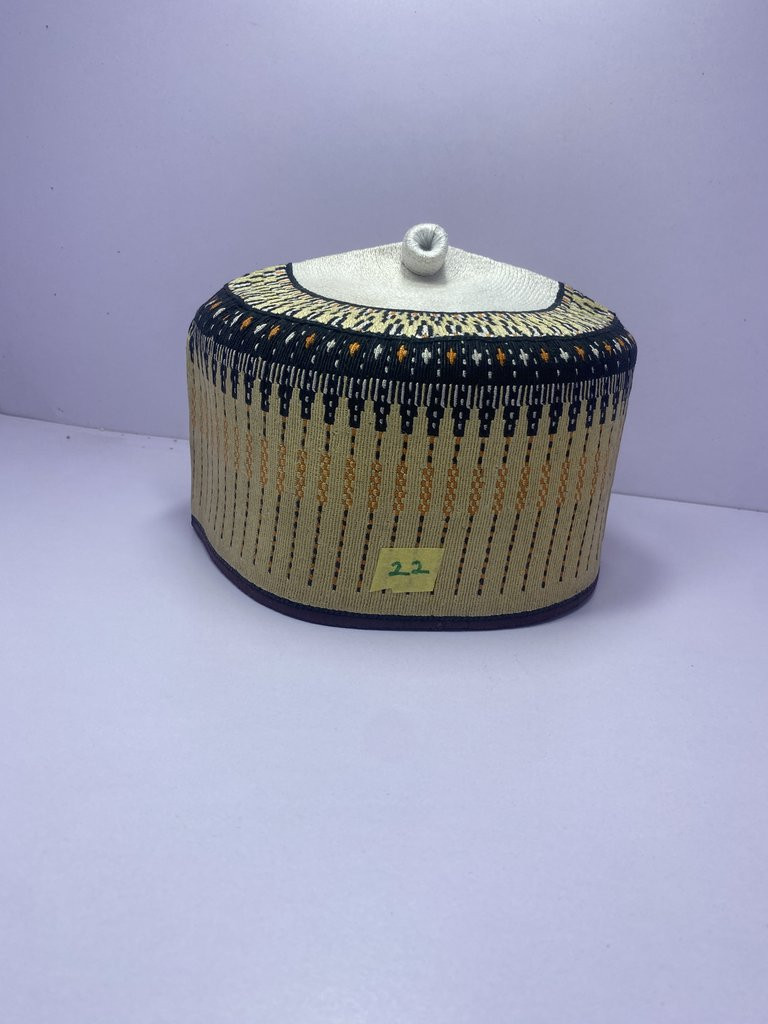
The End of the 'Trust Me' Era: Why Fraud Detection in Nigeria is Now a Machine's Job
Table of Contents
The Heartbreak of the 'What I Ordered vs. What I Got' Syndrome The Limits of the Human Eye in a High-Speed Market Verification: Building Trust Across Borders The Role of Data in Nigerian Logistics Conclusion: Embracing a Safer Future The Speed of the Modern Scammer Why Artificial Intelligence is the Ultimate 'Bodyguard'
The Heartbreak of the 'What I Ordered vs. What I Got' Syndrome
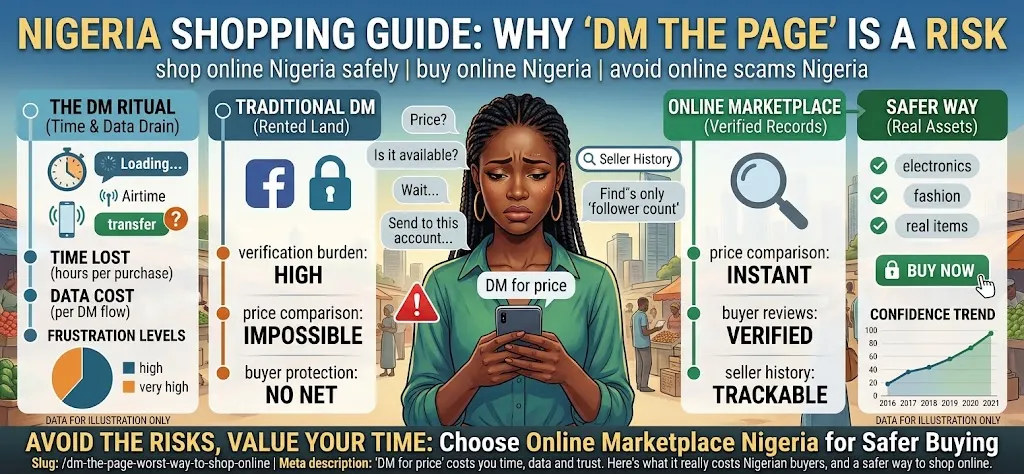
In Nigeria, shopping online often feels like a game of Russian Roulette. We have all been there. You see a stunning piece of traditional wear on a social media page, you chat with the vendor on WhatsApp, they tell you "Trust me, my sister/brother, it is original," and you send your hard-earned Naira. Two days later, a dispatch rider arrives in a cloud of dust, and what you pull out of the bag looks like a primary school craft project compared to the luxury you paid for. This is the emotional tax of Nigerian e-commerce—the constant fear of being 'done dirty.'
For years, we relied on 'gut feelings' and manual verification. Business owners would spend hours cross-referencing bank alerts and looking at customer profiles to see if they looked 'legit.' But as the digital economy in Africa explodes, these human methods are not just slow; they are dangerously obsolete. Fraud detection is no longer a human job, and understanding why is the only way to protect your pocket and your peace of mind.
The Limits of the Human Eye in a High-Speed Market
The scale of commerce on platforms like Kanemtrade is breathtaking. From the bustling leather markets of Kano to the fashion houses of Lagos, thousands of transactions happen every minute. A human being, no matter how sharp, cannot analyze 500 data points in a millisecond. We get tired. We get distracted. We have biases. A scammer might speak politely and use 'God bless you' in every sentence, tricking a human moderator into lowered defenses. An algorithm, however, doesn't care about politeness; it only cares about patterns.
In the logistics landscape of Nigeria, where a package might pass through three different states and two different 'agberos' before reaching the final customer, the points of failure are many. Humans struggle to track these anomalies in real-time. We need systems that can flag a suspicious IP address or a mismatched delivery coordinate before the money even leaves the buyer's wallet.
The Speed of the Modern Scammer
Today’s fraudsters aren't just individuals in cybercafes; they are organized, using bots to create fake reviews and simulated histories. When a human looks at a product page, they see beautiful photos. When an AI looks at that same page, it sees metadata that suggests the image was stolen from a high-end designer's website three years ago. This level of scrutiny is what keeps the ecosystem safe, but it is impossible for a human team to maintain at scale.
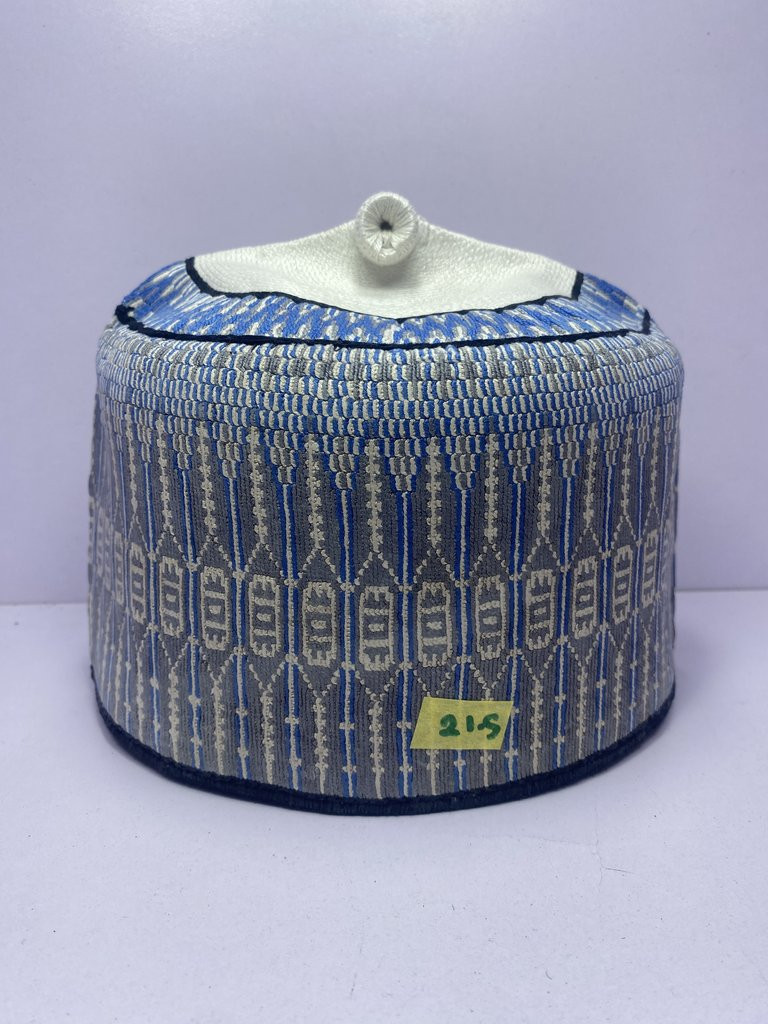
Editor’s Choice: The Light Blue Kindei - Elegant Hausa Cultural Hat
While we talk about the tech that keeps you safe, let us celebrate the authenticity it protects. The Light Blue Kindei is a masterpiece of Northern craftsmanship. When you buy this through a verified system like Kanemtrade, you aren't just getting a hat; you are getting a guarantee of quality. This elegant piece represents the very heritage we strive to protect from counterfeiters through advanced fraud detection. Its intricate embroidery and premium fabric are exactly why verification matters—so that true art reaches your doorstep, not a cheap imitation.
Verification: Building Trust Across Borders
Trust is the most expensive currency in Nigeria. When a buyer in Port Harcourt wants to buy a traditional Northern garment, there is a massive trust gap. They are worried about the seller disappearing, and the seller is worried about 'pay on delivery' scams. This is where Kanemtrade steps in, replacing the 'Trust me' culture with 'The system has verified this.'
Modern fraud detection uses behavioral biometrics. It looks at how a user navigates a site. Does a real buyer typically click 'Buy Now' in 0.5 seconds without looking at the size chart? Probably not. By identifying these 'non-human' behaviors, automated systems can block fraudulent accounts before they even list a single item. This technology allows logistics providers to operate with confidence, knowing that the orders they are carrying are legitimate and the payments are secure.
The Role of Data in Nigerian Logistics
Logistics in Nigeria is already a headache—bad roads, fuel scarcity, and unpredictable traffic. The last thing a business needs is to deliver a package to a fraudulent address. Automated fraud detection cross-references historical delivery data to ensure that 'No. 5, Fake Street' doesn't waste a courier's time and fuel. This efficiency lowers the cost of business for everyone, making e-commerce more affordable for the average Nigerian.
Why Artificial Intelligence is the Ultimate 'Bodyguard'
AI doesn't sleep, and it doesn't take bribes. In many sectors, the human element is where corruption creeps in. By removing the 'human middleman' from the initial fraud screening process, we ensure a fair playing field. Whether you are a small artisan in Borno or a big distributor in Onitsha, the system treats your security with the same level of robotic precision. This is the democratization of safety.
Conclusion: Embracing a Safer Future
We must move past the era of 'sending money and praying.' The future of Nigerian e-commerce relies on our ability to embrace technology that works harder and faster than we can. While the human touch is essential for customer service and creating beautiful products like our cultural attire, the 'dirty work' of spotting scams must be left to the machines.
By supporting platforms that prioritize automated fraud detection and rigorous verification, you are helping to build a digital Nigeria where 'What I ordered' is exactly 'What I got.' Secure your transactions, trust the algorithms, and let us focus on what really matters—celebrating our culture and growing our economy without the fear of the scammer's shadow.






comments (0)
Leave a Comment