
 Phones and Accessories
 Computers and Accessories
 Men Clothing & Fashion
 Women Clothing and Fashion
 Home Improvement & Tools
 Jewelry & Accessories
 Health and Beauty
 Skincare
 Photochromic Glasses (Lens)
 Smart watch
 Food and Groceries
 Animals & Pet Supplies
 Apparel & Accessories
 Arts & Entertainment
 Baby & Toddler
 Business & Industrial
 Cameras & Optics
 Electronics
 Food, Beverages & Tobacco
 Furniture
 Hardware
 Health & Beauty
 Home & Garden
 Luggage & Bags
 Mature
 Media
Media Office Supplies
 Religious & Ceremonial
 Software
 Sporting Goods
 Toys & Games
 Vehicles & Parts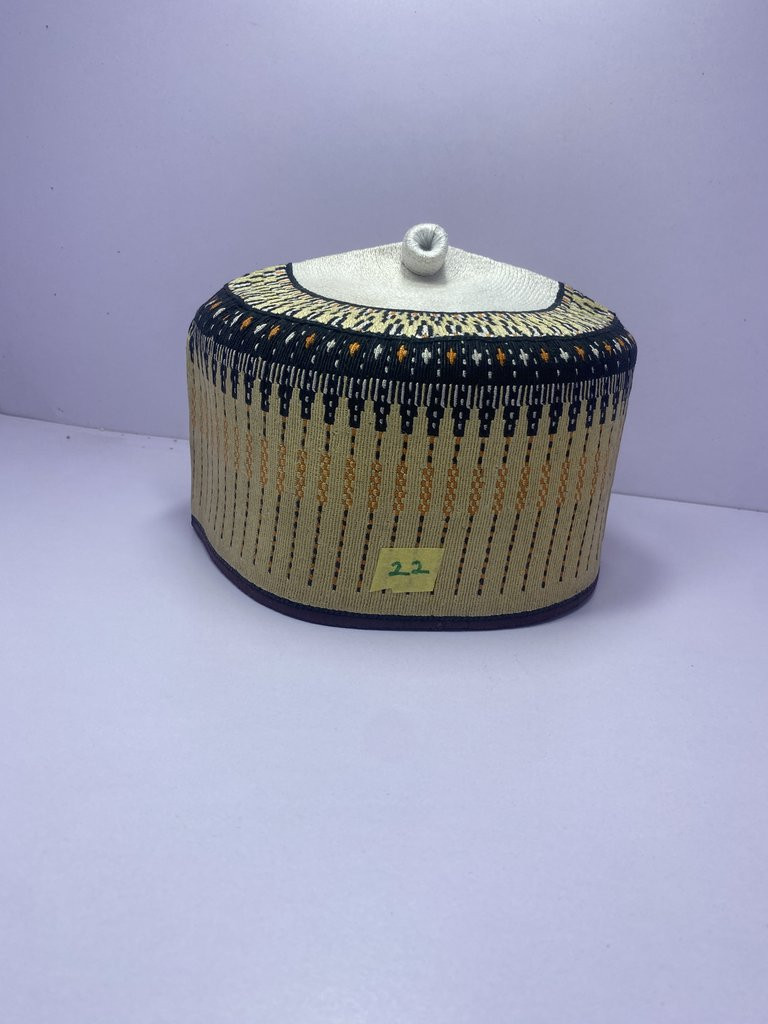
The Danger of 'Vibes' Pricing: Why Your Nigerian Business Might Be Bleeding Money
Table of Contents
The Trap of the 'Vibes' Pricing Strategy The Hidden Killers of Profit in Nigeria Why 'Sell Fast' is Often a Lie The Kanemtrade Advantage: Trust and Verification The Emotional Toll of Pricing Wrong 1. The Logistics Nightmare 2. The Cost of Data and 'Small-Small' Subs 3. Bank Charges and Transfer Fees Editor’s Choice: The Mark of Quality How to Calculate Your REAL Profit Margin Conclusion

The Trap of the 'Vibes' Pricing Strategy
If you are a business owner in Nigeria, you know the feeling. You see a competitor selling a product for 15,000 Naira, so you decide to sell yours for 14,500 Naira because you want to 'fast-sell' and 'win' the market. Or perhaps, you look at the cost of the item from the wholesaler, add a random 2,000 Naira on top, and call it a day. We call this 'Vibes Pricing.' It is a strategy built on gut feelings, emotions, and a desperate need to stay relevant, but it is also the fastest way to kill your business in the African market.
Running a business in Nigeria—from the busy streets of Lagos to the trade hubs of Kano—requires more than just hustle. It requires mathematical precision. When you price based on vibes, you aren't just guessing your price; you are guessing your future. Many entrepreneurs wake up after six months of 'heavy sales' only to realize their bank account is empty. They sold out their stock, but they can't afford to restock. Why? Because they didn't actually know their profit margin.
The Hidden Killers of Profit in Nigeria
In our local ecosystem, the cost of a product isn't just what you paid the supplier. There are 'invisible' costs that eat into your margins before you even realize it. If you aren't accounting for these, your business is a charity organization, not a profit-making venture.
1. The Logistics Nightmare
Logistics in Nigeria is a beast of its own. Between the rising cost of fuel, the unpredictable nature of dispatch riders, and the 'waybill' fees from the North to the South, your margin can disappear in a single trip. If a customer in Port Harcourt orders a product you stocked in Lagos, and you didn't factor in the fluctuating delivery rates, you might end up paying out of pocket just to complete the sale. Kanemtrade has been a game-changer here, helping to streamline how goods move, but as a seller, you must track every kobo spent on moving that item from point A to point B.
2. The Cost of Data and 'Small-Small' Subs
How many hours did you spend on Instagram, WhatsApp, or TikTok marketing that product? How much did the data cost? How about the electricity for your ring light? In the world of vibes pricing, we ignore these 'small' expenses, but they are the overheads that determine if you are actually profitable or just busy.
3. Bank Charges and Transfer Fees
N10 here, N50 there, stamp duty, and SMS alerts. In a high-volume business, these bank charges can add up to thousands of Naira monthly. If your profit margin is razor-thin because you wanted to 'beat' the competition, these charges will eat your lunch.
Editor’s Choice: The Mark of Quality
While pricing is a science, the product you sell is its soul. For those who understand that true value allows for better margins, the King of Brocade: Premium Micro Inso & Chad Chad Luxury African Shadda – The Ultimate Shining Garment for Men (Sold by Meter) stands in a league of its own. It is more than just a fabric; it is a statement of prestige. When you sell quality that customers can feel, you move away from the 'price wars' and into the realm of luxury value.
Why 'Sell Fast' is Often a Lie
There is a popular saying in Nigerian markets: 'Volume covers the cost.' While this is true in theory, it is a trap if your unit economics are broken. If you are losing N100 on every shirt you sell, selling 1,000 shirts doesn't make you N100,000—it puts you N100,000 in debt.
The 'Vibes' pricing strategy often stems from a fear of rejection. We are afraid that if we price our items correctly (factoring in our time, our logistics, and our overheads), the customer will scream 'Ewo! It's too expensive!' and walk away. But here is the truth: a customer who only buys because you are the cheapest is the least loyal customer you will ever have. The moment someone else drops their price by N50, they are gone.
The Kanemtrade Advantage: Trust and Verification
One reason Nigerian sellers rely on vibes pricing is because they lack the data or the platform to justify a premium price. This is where verification and trust come in. When you operate through a platform like Kanemtrade, you aren't just another random person on the internet. You are part of a verified ecosystem.
Trust is a currency. When a customer knows they are buying from a verified source where their money is safe and the quality is guaranteed, they are willing to pay a fair price. Verification allows you to stop competing on 'cheapness' and start competing on 'reliability.' In a country where 'what I ordered vs. what I got' is a daily heartbreak, being a trusted seller is a competitive advantage that allows for healthier profit margins.
How to Calculate Your REAL Profit Margin
Stop the vibes today by using this simple checklist for every product you list:
- Landed Cost: Price of item + shipping/waybill to your location.
- Packaging: The cost of the nylon, the box, the ribbon, and the 'thank you' note.
- Marketing: The cost of ads or the data used to post.
- Operational Buffer: A 5% margin for 'unforeseen' Nigerian factors (fuel hikes, bank errors).
- Platform Fees: Any percentage taken by the marketplace or payment gateway.
- Your Profit: What is left for YOU to keep the business running.
The Emotional Toll of Pricing Wrong
Business in Africa is personal. It’s about building a legacy and taking care of family. When you price based on vibes, you aren't just hurting your business; you are hurting your mental health. The stress of being 'busy' but 'broke' is a heavy burden. By switching to a data-driven pricing strategy, you give yourself the gift of clarity. You can sleep better knowing that every sale made is a step toward growth, not a step toward liquidation.
Conclusion
The days of 'looking at your neighbor's price' to set your own must end. Nigerian e-commerce is maturing, and only those who understand their numbers will survive the next few years. Leverage tools for verification like Kanemtrade, invest in high-quality stock that commands respect, and most importantly, value your own effort enough to price it correctly. Don't let your business die because of 'vibes.' Do the math, build trust, and watch your margins flourish.









comments (0)
Leave a Comment