
 Phones and Accessories
 Computers and Accessories
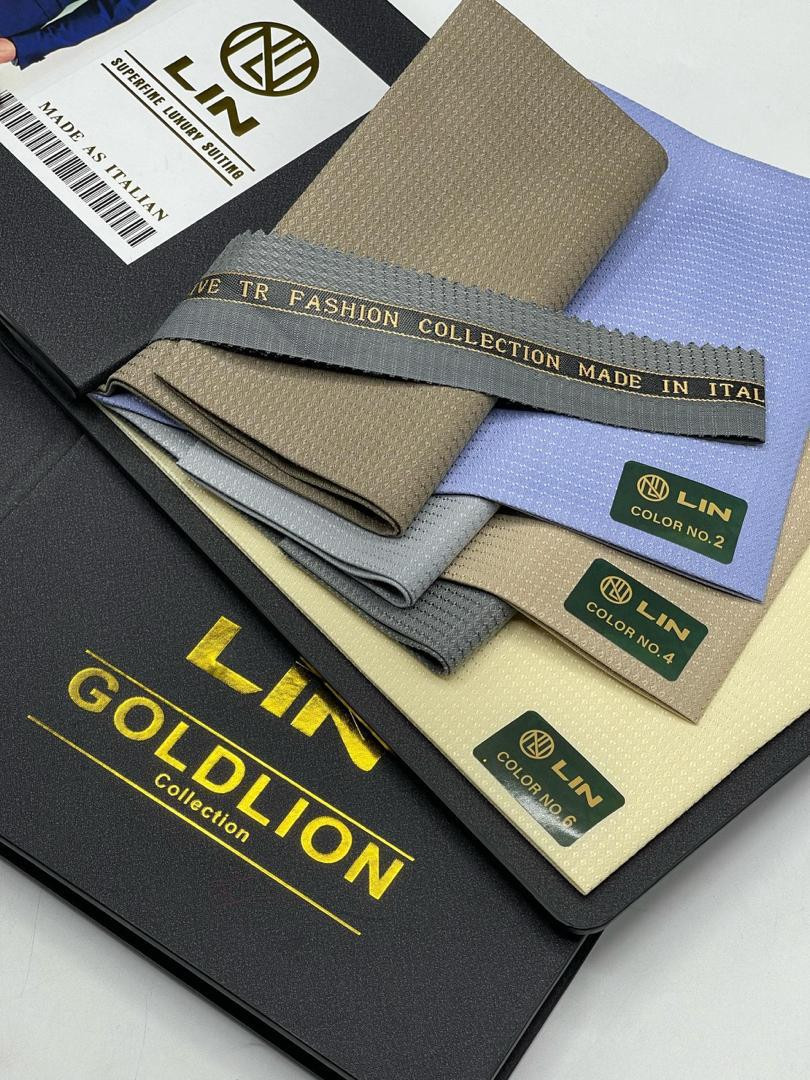 Men Clothing & Fashion
 Women Clothing and Fashion
 Home Improvement & Tools
 Jewelry & Accessories
 Health and Beauty
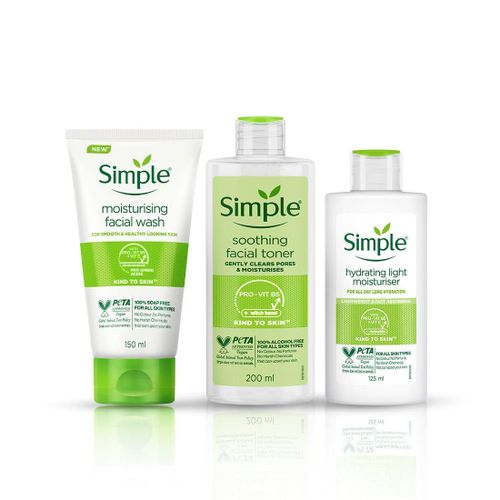 Skincare
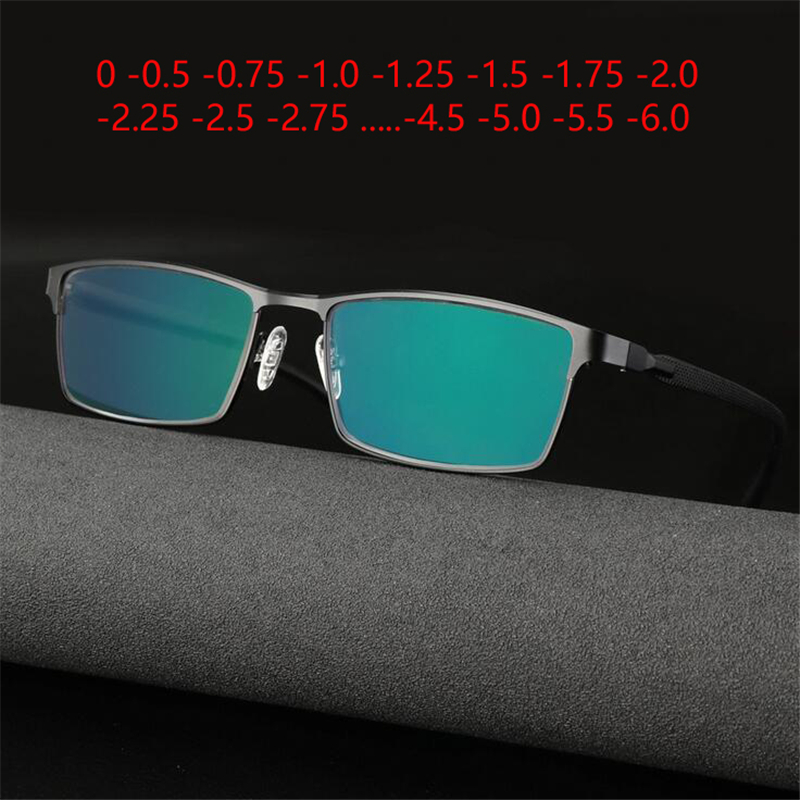 Photochromic Glasses (Lens)
 Smart watch
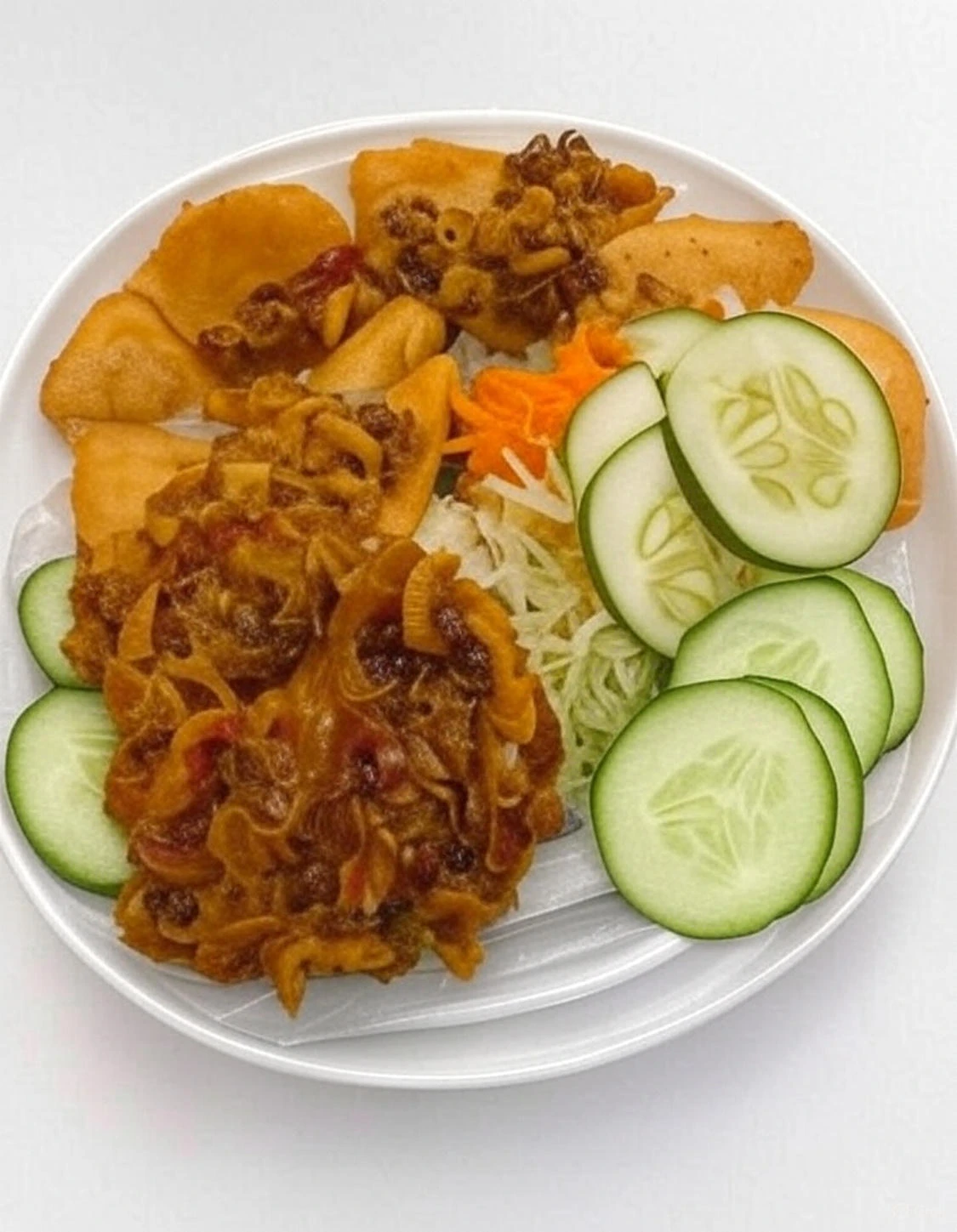 Food and Groceries
 Animals & Pet Supplies
 Apparel & Accessories
 Arts & Entertainment
 Baby & Toddler
 Business & Industrial
 Cameras & Optics
 Electronics
 Food, Beverages & Tobacco
 Furniture
 Hardware
 Health & Beauty
 Home & Garden
 Luggage & Bags
 Mature
 Media
Media Office Supplies
 Religious & Ceremonial
 Software
 Sporting Goods
 Toys & Games
 Vehicles & Parts
The Bitter Truth: Why Selling Hair in Nigeria Is the Most Saturated, Toxic Niche (And What to Do Instead)
Table of Contents
The 'Hair Boss' Dream: A Mirage in the Lagos Sun 1. The Saturation is Suffocating 2. The Toxicity of 'What I Ordered vs. What I Got' 3. The Logistical Nightmare (The 'Waybill' Wahala) 4. The Hidden Costs: Marketing and Content Creation 5. A Shift in Consumer Spending What Should You Do Instead? The Trust Deficit and the Verification Struggle Editor’s Choice: The Hustler’s Essential Conclusion

The 'Hair Boss' Dream: A Mirage in the Lagos Sun
If you scroll through your Instagram feed for five minutes, you are guaranteed to see at least three 'Hair Bosses' flaunting bundles of Bone Straight or Pixie Curls. It looks glamorous, doesn't it? The sleek packaging, the luxury lifestyle, and the promise of millions. But behind the Ring Light and the filtered videos lies a grim reality: the Nigerian hair niche has become a graveyard for small business dreams.
As a Professional E-commerce Content Strategist, I’ve watched thousands of ambitious entrepreneurs pour their life savings into hair bundles, only to end up with dusty inventory and a massive headache. Today, we are stripping away the lace glue and exposing the truth about why selling hair in Nigeria is the most saturated and toxic niche you could enter right now.
1. The Saturation is Suffocating
In Nigeria, once a business looks 'easy' or 'lucrative,' everyone jumps in. Ten years ago, selling human hair was a goldmine. Today, it’s a race to the bottom. From the big wholesalers in Balogun Market to the student in a UNILAG hostel, everyone is a hair vendor. When supply outweighs demand to this extent, the only way to compete is on price.
You see vendors selling hair at prices that barely cover the cost of shipping from China or Vietnam. How do they do it? Many are selling 'mixed' blends as 100% human hair just to survive the price wars. If you are an honest vendor trying to sell quality, you’ll find yourself constantly explaining why your hair costs more than the 'factory-direct' prices your customers see elsewhere. It is an exhausting, uphill battle.
2. The Toxicity of 'What I Ordered vs. What I Got'
The hair niche in Nigeria is fueled by distrust. Because the market is flooded with low-quality fiber passed off as premium donor hair, customers are perpetually on edge. One bad bundle, one shedding lace, and your brand is dragged through the mud on Twitter or Instagram. The 'call-out' culture in the Nigerian hair space is more aggressive than in any other industry.
The mental toll of managing 'entitled' customers who expect $1000 quality for a $50 price tag is immense. You aren't just a business owner; you’re a crisis manager, a therapist, and a punching bag for a frustrated consumer base.
The Trust Deficit and the Verification Struggle
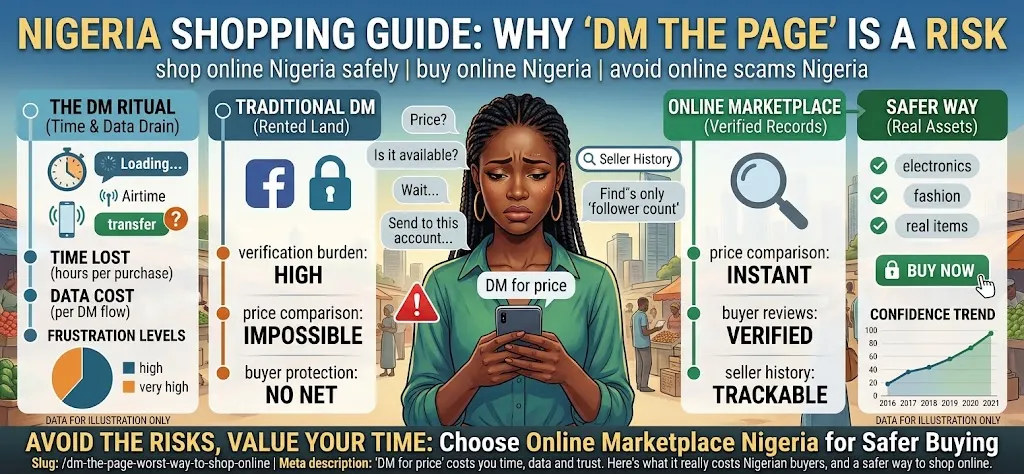
Trust is the hardest currency to earn in Nigeria. This is where platforms like Kanemtrade become essential. In a niche where everyone is claiming to be the 'Number 1 Vendor,' how do customers verify you? Without proper verification and a track record of transparency, you’re just another name in the crowd. The lack of a centralized trust system for individual vendors makes the barrier to entry low, but the barrier to growth almost impossible.
Editor’s Choice: The Hustler’s Essential
While navigating the chaotic streets of Lagos to verify your suppliers or chasing down delivery riders, your comfort should never be a secondary thought. Our Editor’s Choice for the busy entrepreneur is the Men Women Vulcanized Casual Running Shoes Lightweight Breathable Tennis Sneakers Fitness Athletic Shoes Unisex Sports Footwear. These sneakers are designed for those long days of 'hustle' where you need to look professional yet stay incredibly comfortable. Whether you’re at the warehouse or meeting a client, these breathable sneakers keep you moving without the fatigue. A must-have for any serious business owner on the move.
3. The Logistical Nightmare (The 'Waybill' Wahala)
Logistics in Nigeria is the 'boss level' of any business, but for hair vendors, it’s particularly brutal. Hair is high-value and high-risk. Packages go missing, delivery riders go AWOL, and the 'waybill' system between states is often a game of luck. When a customer pays 200k for a wig, they expect it yesterday. Any delay—even those outside your control—is blamed on you.
The cost of reliable logistics eats into your already thin margins. By the time you pay for secure packaging, insurance, and a reliable courier service, you’re left with peanuts. You are working for the shipping companies and the hair factories, not for yourself.
4. The Hidden Costs: Marketing and Content Creation
Because the niche is so saturated, organic reach is dead. To stand out, you have to spend millions on influencer marketing and professional photoshoots. You are competing with brands that have multi-million Naira marketing budgets. The 'Hair Boss' lifestyle requires you to look the part, which often means spending your profit on looking successful rather than actually being successful.
5. A Shift in Consumer Spending
Let’s be real: Nigeria’s economy is facing unprecedented challenges. With inflation soaring, luxury human hair is becoming a 'want' rather than a 'need.' People are prioritizing food, fuel, and school fees over 30-inch frontal wigs. The market is shrinking just as the number of vendors is increasing. That is a recipe for business failure.
What Should You Do Instead?
If you are already in the hair business, it’s time to pivot or niche down. Stop being a 'general' hair vendor. Focus on hair care for natural hair, or perhaps specialized wig laundry services. If you haven't started yet, look for 'boring' niches that solve real problems. Logistics, agrotech, or even specialized apparel (like the sneakers mentioned above) often have better margins and far less drama.
Kanemtrade offers a glimpse into how commerce should work—verified, structured, and professional. If you want to survive the Nigerian market, you must move away from the 'hype' niches and build something based on genuine value, trust, and solved pain points.
Conclusion
Selling hair in Nigeria isn't just a business; it’s an endurance sport played in a toxic environment. While there will always be a market for beauty, the current state of the hair industry is unsustainable for most small-scale entrepreneurs. It’s time to stop following the crowd and start looking for the gaps they’ve left behind. Your mental health—and your bank account—will thank you.








comments (0)
Leave a Comment