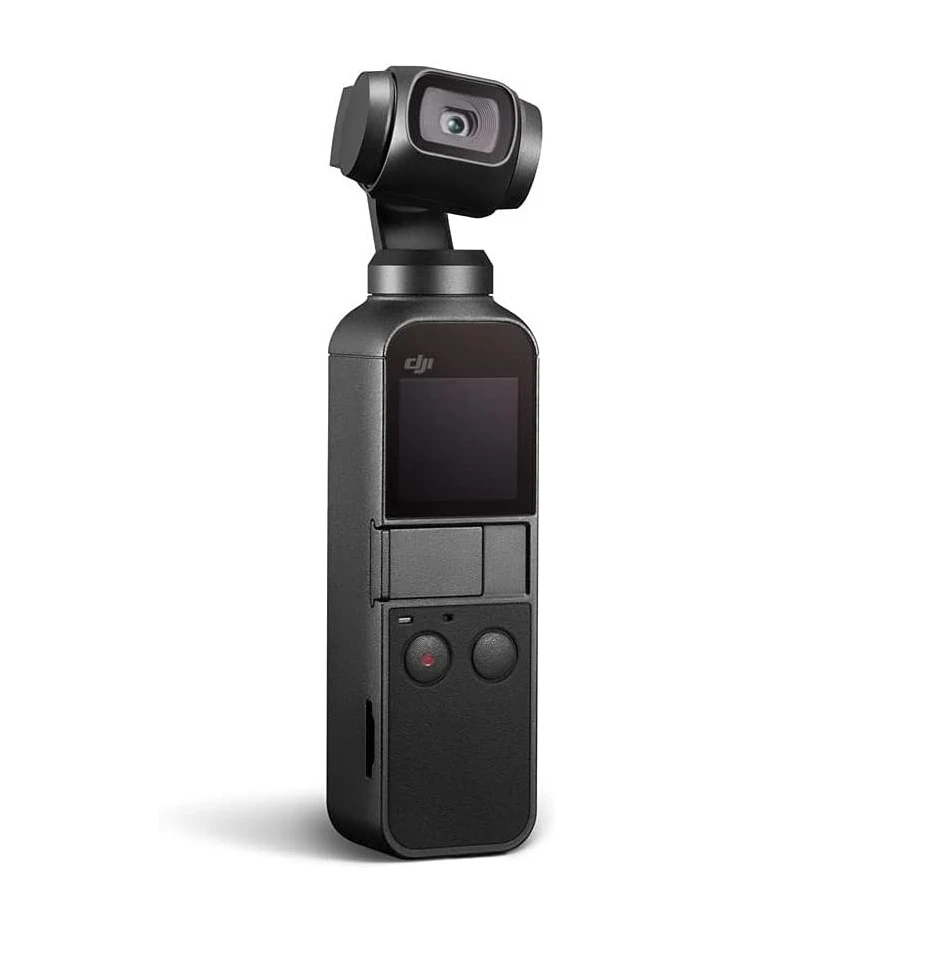
 Phones and Accessories
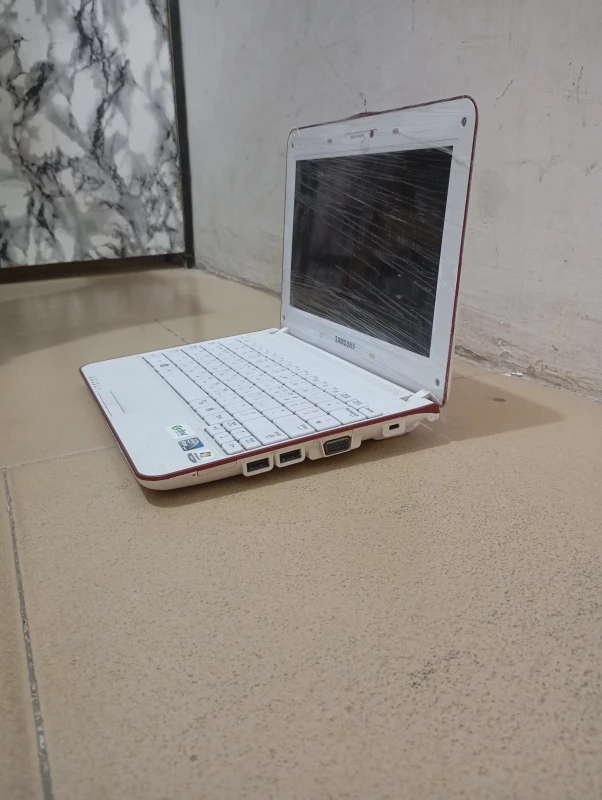 Computers and Accessories
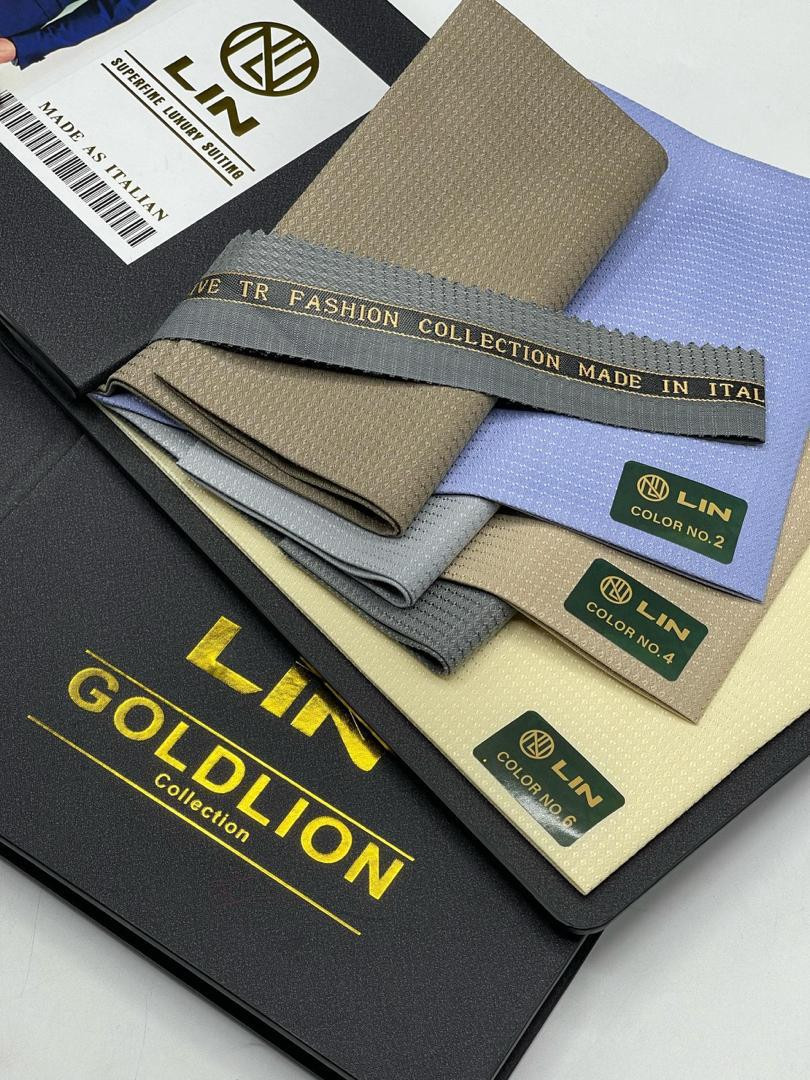 Men Clothing & Fashion
 Women Clothing and Fashion
 Home Improvement & Tools
 Jewelry & Accessories
 Health and Beauty
 Skincare
 Photochromic Glasses (Lens)
 Smart watch
 Food and Groceries
 Animals & Pet Supplies
 Apparel & Accessories
 Arts & Entertainment
 Baby & Toddler
 Business & Industrial
 Cameras & Optics
 Electronics
 Food, Beverages & Tobacco
 Furniture
 Hardware
 Health & Beauty
 Home & Garden
 Luggage & Bags
 Mature
 Media
Media Office Supplies
 Religious & Ceremonial
 Software
 Sporting Goods
 Toys & Games
 Vehicles & Parts
The Bitter Truth: Why Free Shipping in Nigeria is a Mathematical Impossibility

The Allure of the Word 'Free'
We have all been there. You are scrolling through an online store, your eyes light up at a sleek gadget, and then you see those two magic words: Free Shipping. In a country where the cost of living seems to jump every time you blink, the idea of getting something for nothing feels like a divine intervention. But as any seasoned Nigerian shopper knows, if something sounds too good to be true, it’s probably because the math doesn't add up.
In the world of Nigerian e-commerce, 'Free Shipping' isn't just a marketing tactic; it is often a mathematical impossibility. Whether you are buying a needle or a high-end laptop, someone, somewhere, is paying the bill. To understand why, we have to look past the shiny banners and dive into the gritty, pothole-filled reality of Nigerian logistics.
The Logistics Nightmare: Beyond the Pavements
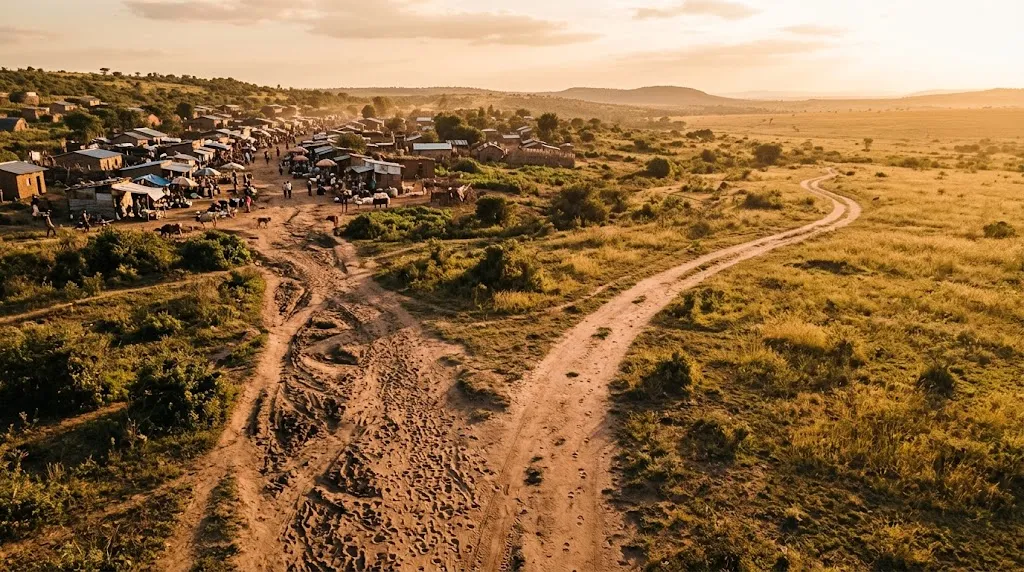
Shipping a package in Nigeria isn't like shipping a package in the UK or the US. Here, logistics is a tactical operation. When a platform like Kanemtrade prepares an order for dispatch, they aren't just dealing with a simple delivery route. They are navigating a complex web of economic and physical hurdles.
- The Fuel Factor: With the removal of fuel subsidies and the volatile price of PMS, the cost of running a delivery bike or van has tripled. A dispatch rider moving from Ikeja to Lekki can spend hours in traffic, burning fuel that costs more than the profit margin on many small items.
- The Infrastructure Gap: Our roads are not just roads; they are obstacle courses. The wear and tear on delivery vehicles is astronomical. Tires, suspensions, and engines fail at a rate much higher than global averages, leading to high maintenance costs that must be covered.
- The 'Agbero' Tax: From local government levies to the 'boys' on the street demanding their cut, the invisible costs of moving goods through Nigerian streets are a constant drain on a logistics company's budget.
The 'Hidden' Cost: Where is the Money Coming From?
Mathematics is an exact science. If a vendor offers you free shipping, they haven't magically convinced the petrol station to give them free fuel. Instead, that shipping cost is usually 'padded' into the product price. You might think you are getting a deal, but you are often paying a premium on the item itself to cover the 'free' delivery.
At Kanemtrade, the philosophy is different. We believe in transparency. By separating the product cost from the shipping fee, customers know exactly what they are paying for the hardware and what they are paying for the service of getting it to their doorstep. This honesty is the foundation of trust and verification in the Nigerian digital space.
Editor's Choice: The Value King
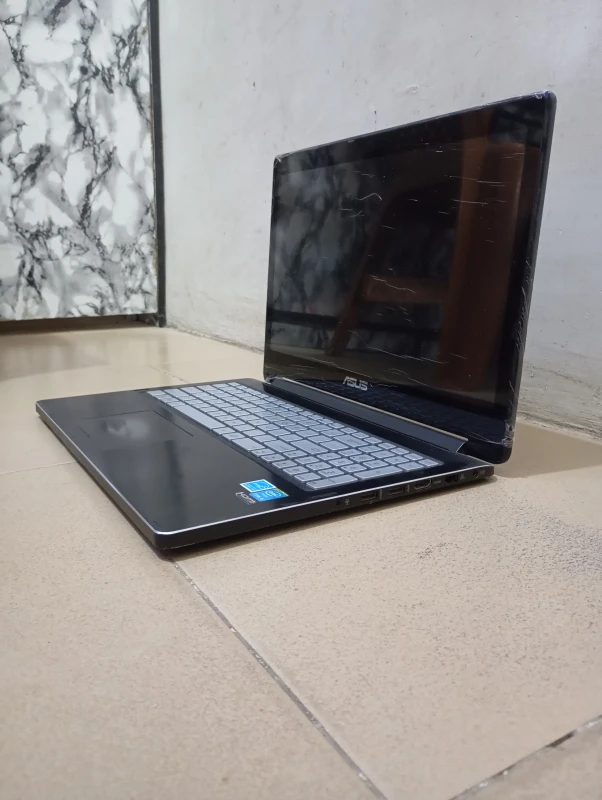
While we talk about costs and math, sometimes you find a deal where the value far outweighs the price, even when you factor in delivery. Our top pick for professionals this month is the Asus VivoBook 502L. Featuring a Core i5 processor, 8GB RAM, and a 500GB HDD, this laptop is built for the Nigerian hustle. Its Light Keyboard makes working through those late-night fuel-less hours a breeze. It’s a verified, durable machine that represents a smart investment over 'free shipping' gimmicks.
The Last Mile Problem and Security
The 'Last Mile' is the final leg of a journey where a package reaches the customer's door. In Nigeria, this is the most expensive and dangerous part. Unlike other regions with functioning zip codes and organized house numbering, finding an address in a new layout in Abuja or the heart of Ibadan requires multiple phone calls and local knowledge.
Furthermore, there is the issue of security. High-value items like laptops require insured transit. If a vendor offers free shipping on a premium device, they are likely cutting corners on insurance or using unverified riders. This puts your investment at risk. When you pay for shipping with a reputable platform, you are paying for the verification of the rider and the security of your package.
The Trust Deficit in Nigerian E-commerce
Why do we keep falling for the free shipping myth? It’s because we want to feel like we’ve 'won' against the system. But in the long run, the lack of transparency hurts the consumer. When prices are artificially inflated to cover shipping, it becomes harder to compare real market values. This creates a 'Trust Deficit.'
Kanemtrade aims to bridge this gap. By being upfront about the mathematical reality of Nigerian logistics, we empower the buyer. You aren't just a customer; you're a partner in a transaction. We provide the breakdown: the quality of the Asus VivoBook, the cost of the logistics, and the peace of mind that comes with a verified purchase.
Conclusion: Choosing Honesty Over Hype
The next time you see 'Free Shipping' in Nigeria, ask yourself: 'Who is paying for the fuel? Who is paying the rider? Who is fixing the bike?' If the answer isn't clear, you are likely the one paying, just in a way you can't see.
In a tough economy, honesty is the most valuable currency. Mathematical impossibilities cannot be solved by marketing slogans; they are solved by efficient systems, transparent pricing, and trusted platforms. Choose to shop where the math makes sense. Choose Kanemtrade, where we value your intelligence as much as your patronage.




comments (0)
Leave a Comment